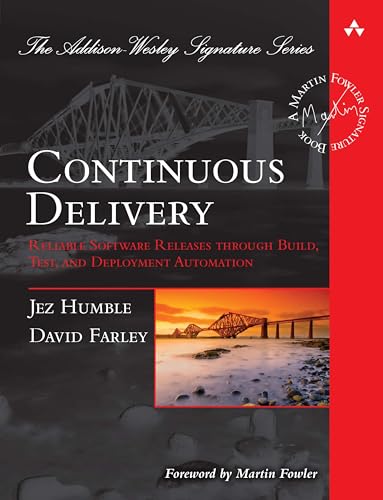
Continuous Delivery
by Jez Humble
Humble and Farley argue that software should always be in a deployable state. Automating the build, test, and release pipeline eliminates risk and makes frequent, reliable releases routine.
- Published:
- Pages:
- 512

by Jez Humble
Humble and Farley argue that software should always be in a deployable state. Automating the build, test, and release pipeline eliminates risk and makes frequent, reliable releases routine.
In this collection, Continuous Delivery references 4 other books and is cited by 4 other books.
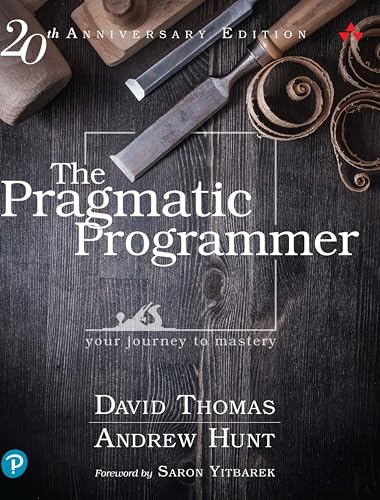
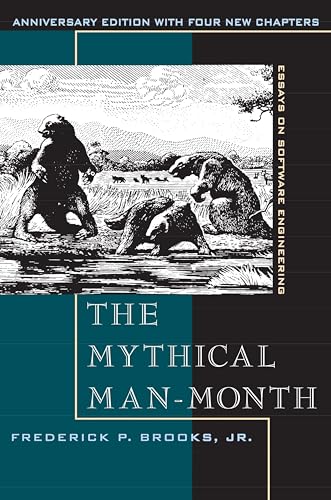
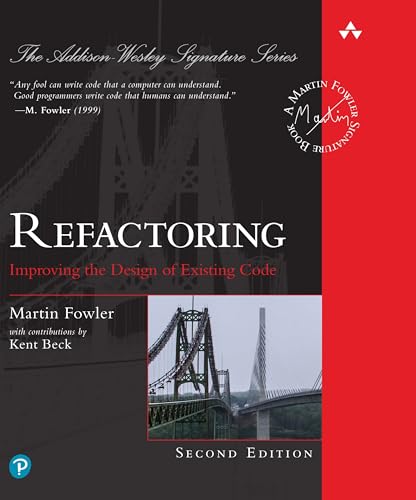
It draws on The Pragmatic Programmer, The Mythical Man-Month and Refactoring.
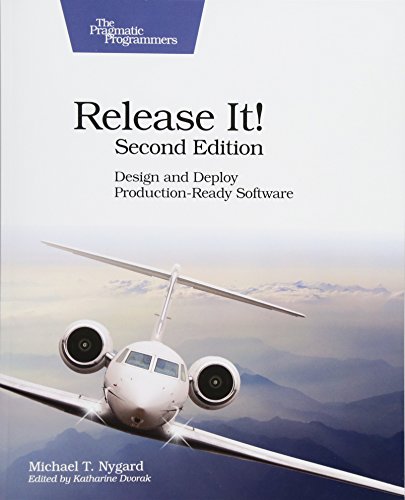
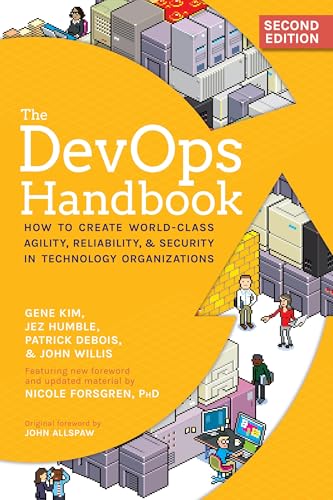
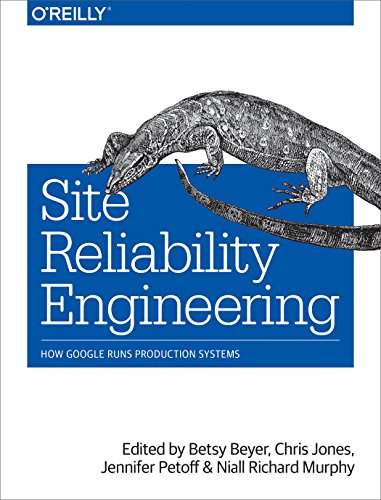
It’s picked up by Release It!, The DevOps Handbook and Site Reliability Engineering: How Google Runs Production Systems and 1 others.
Scroll down to read the exact passages where other authors reference this book and what they say about it.
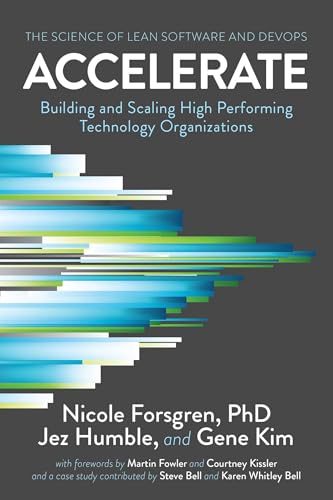
Continuous Delivery is regarded as the foundational text on deployment automation, and its influence runs through the entire DevOps movement. Nicole Forsgren, Jez Humble, and Gene Kim's Accelerate identifies its practices -- trunk-based development, deployment automation, test automation -- as the strongest statistical predictors of software delivery performance.
Google's SRE book draws directly on Humble and Farley's pipeline model for its release engineering chapters, and Michael Nygard references it in Release It! for production systems. The book is praised for turning reliable releases from aspiration into engineering discipline, though some readers note the tooling examples have aged and the principles now need translating to cloud-native and containerized environments.
The books Humble references and why each one mattered to the argument.
Humble references Pragmatic Programmer on automation.
Humble references Brooks's no silver bullet essay.
Humble references Fowler's Refactoring for CD pipeline.
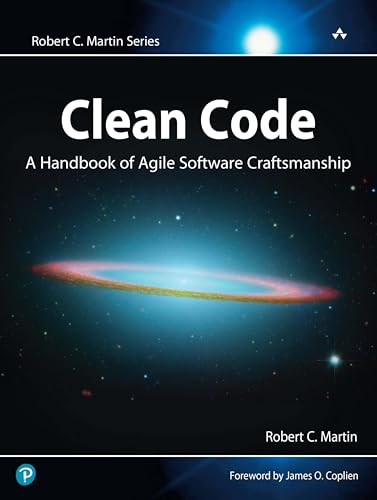
Humble references Martin's Clean Code for reliable delivery.
The exact passages where other authors bring up “Continuous Delivery” and what they take from it.
Nygard references Humble's Continuous Delivery for production systems.
Kim references Humble's Continuous Delivery.
The SRE book's chapters on release engineering and progressive rollouts draw directly on Humble and Farley's Continuous Delivery pipeline model and deployment-automation practices.

Cited in
Site Reliability Engineering: How Google Runs Production Systemsby Betsy Beyer, Chris Jones, Jennifer Petoff, Niall Richard Murphy
Accelerate identifies continuous delivery practices (trunk-based development, deployment automation, test automation) directly from Humble and Farley's book as the strongest statistical predictors of delivery performance.
How ideas flow through the citation network. Ancestors are books this title builds on; descendants are books that build on it.
Books from completely different categories that share citation overlap with this one. These are the reads you would not find by browsing a single shelf.
Books with the highest citation overlap within the same categories.

The Phoenix Project
Gene Kim
3 shared citations
Clean Code
Robert C. Martin
3 shared citations
Refactoring
Martin Fowler
3 shared citations
Software Engineering at Google
Titus Winters
3 shared citations
Domain-Driven Design: Tackling Complexity in the Heart of Software
Eric Evans
3 shared citations
Working Effectively with Legacy Code
Michael Feathers
3 shared citationsThis book and its direct connections. Hover a node to see its title, click to visit.
Hover a node to highlight its connections. Click to open the book page. Node size reflects total citation links.