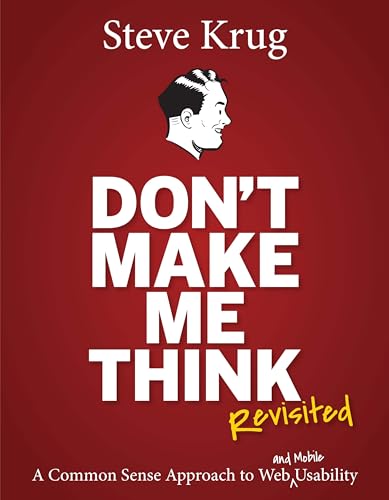
Don't Make Me Think
by Steve Krug
Krug argues that good web design is about eliminating thought, not adding features. Users scan, not read, so every page should be self-evident and require zero mental effort to navigate.
- Published:
- Pages:
- 216
by Steve Krug
Krug argues that good web design is about eliminating thought, not adding features. Users scan, not read, so every page should be self-evident and require zero mental effort to navigate.
In this collection, Don't Make Me Think references 1 other book and is cited by 4 other books.
It draws on The Design of Everyday Things.
It’s picked up by Lean UX: Applying Lean Principles to Improve User Experience, About Face: The Essentials of Interaction Design and Laws of UX: Using Psychology to Design Better Products & Services and 1 others.
Scroll down to read the exact passages where other authors reference this book and what they say about it.
The books Krug references and why each one mattered to the argument.
Krug builds on Norman's Design of Everyday Things for web.
The exact passages where other authors bring up “Don't Make Me Think” and what they take from it.
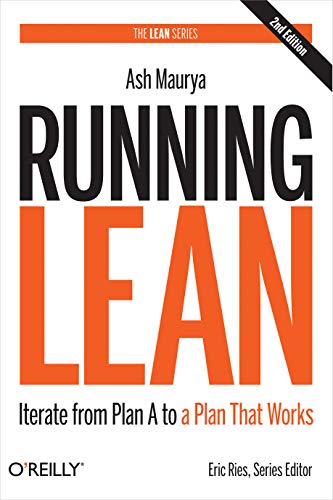
The book builds on Steve Krug's usability testing philosophy from Don't Make Me Think, advocating for lightweight, frequent user testing rather than formal lab studies
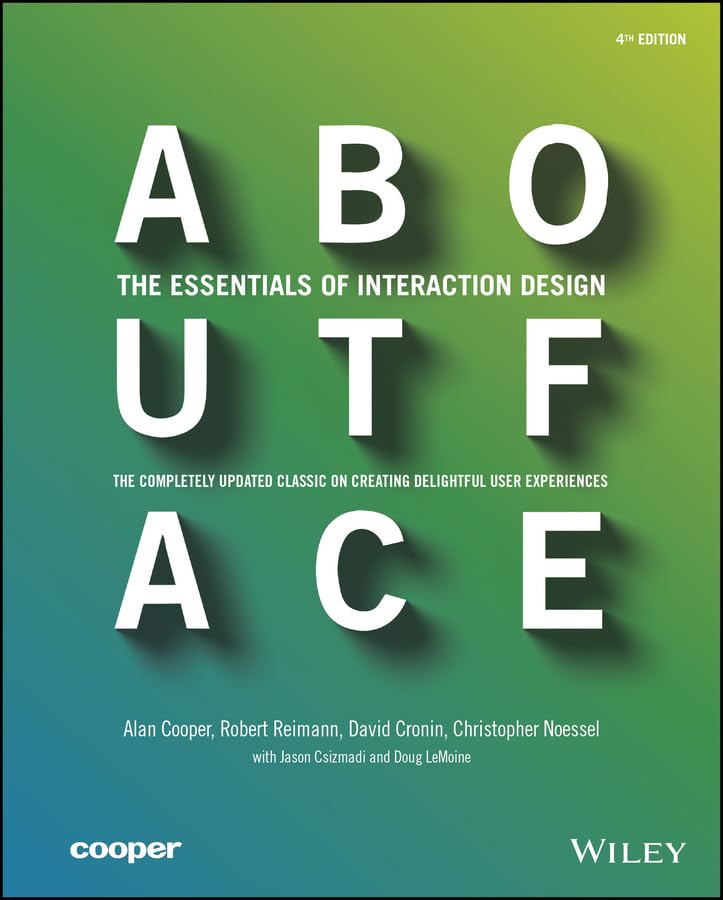
About Face references Krug's usability principles from Don't Make Me Think when discussing web navigation patterns and the importance of reducing cognitive load in interface design

Cited in
About Face: The Essentials of Interaction Designby Alan Cooper, Robert Reimann, David Cronin, Christopher Noessel
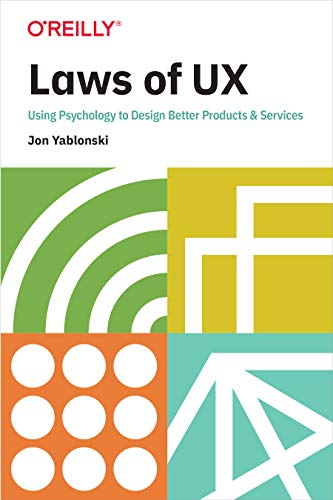
Yablonski references Krug's Don't Make Me Think when discussing Jakob's Law and the importance of leverageing familiar design conventions to reduce cognitive load
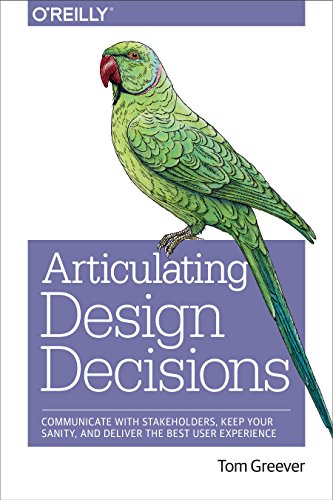
The book draws on Krug's Don't Make Me Think to illustrate how usability heuristics provide objective, evidence-based criteria for evaluating design alternatives in stakeholder meetings
How ideas flow through the citation network. Ancestors are books this title builds on; descendants are books that build on it.
Directly cites
2 steps back
Books from completely different categories that share citation overlap with this one. These are the reads you would not find by browsing a single shelf.

The Personal MBA
Josh Kaufman

Running Lean
Ash Maurya

Nudge
Richard Thaler

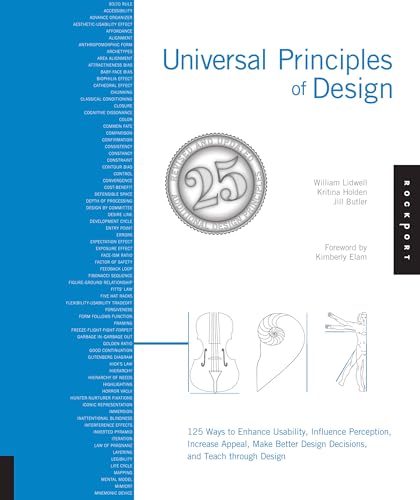
Universal Principles of Design: 125 Ways to Enhance Usability, Influence Perception, Increase Appeal, Make Better Design Decisions, and Teach through Design
William Lidwell, Kritina Holden, Jill Butler

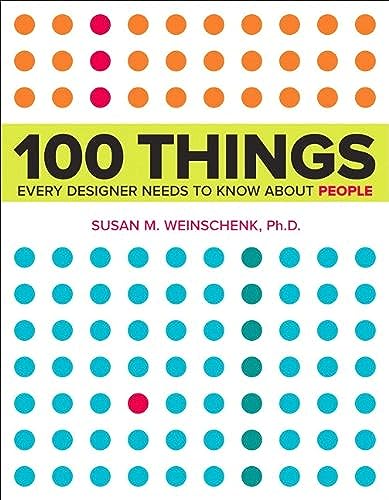
100 Things Every Designer Needs to Know About People
Susan Weinschenk

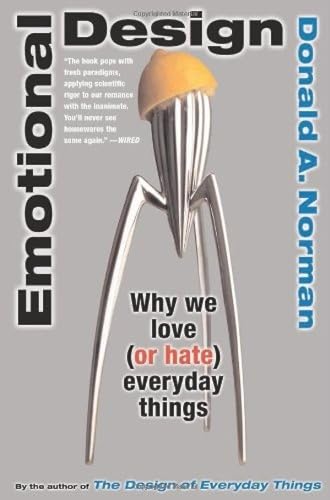
Emotional Design: Why We Love (or Hate) Everyday Things
Don Norman
Books with the highest citation overlap within the same categories.
This book and its direct connections. Hover a node to see its title, click to visit.
Hover a node to highlight its connections. Click to open the book page. Node size reflects total citation links.