Van der Kolk references Goleman's EI on trauma disrupting emotional regulation.
Goal
How do I handle anxiety and hard emotions?
Books on therapy, mental health, and emotional work that other authors cite when writing about the inside of a life.
The conversation
15 passagesThe exact passages where one book references another on this topic. These are the connections, not our commentary.
Draws on Sapolsky's Why Zebras Don't Get Ulcers-style stress physiology to explain why disconnection from a partner triggers full-body threat responses, grounding EFT in biology not just psychotherapy
Aligns with Sarno's Healing Back Pain on the mind-body connection, applying a similar somatic-emotional framework to inherited family trauma
Uses Goleman's Emotional Intelligence framework to explain how emotional literacy develops inside the therapy relationship, not through books alone
Draws on Dweck's Mindset in discussing emotions around failure, effort, and identity, mapping the feelings that gate growth-mindset adoption

Kohn references Damasio's neuroscience research from Descartes' Error on the integration of emotion and reason, supporting his argument that parenting approaches separating feelings from behavior misunderstand how the brain actually works
Siegel builds on Damasio's Descartes' Error framework showing that emotion and cognition are neurologically inseparable, applying this insight to explain why parents must help children integrate their emotional and rational brain systems rather than suppress feelings
Clear cites Damasio's research (via The Strange Order of Things) for "Feelings of pleasure and disappointment" being the foundation of decisions — used to support his argument that emotions, not logic, drive habit change.

Clear cites Lisa Feldman Barrett's How Emotions Are Made alongside Damasio for the foundational claim that "Feelings of pleasure and disappointment" are the substrate of decisions. Barrett's constructionist theory of emotion underpins Clear's argument that emotions, not logic, drive habit change.
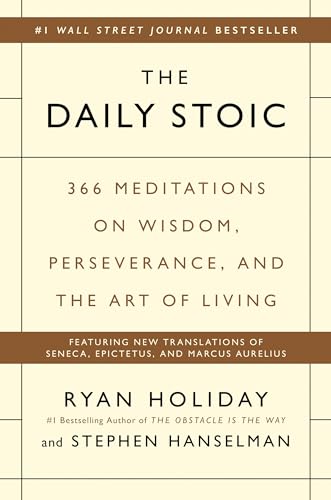
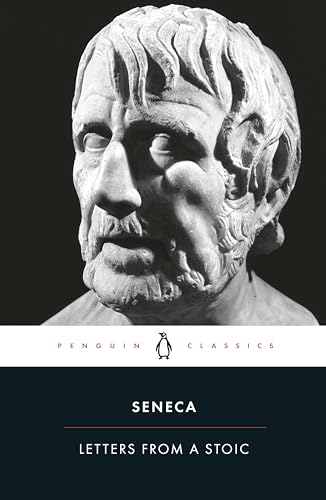
Seneca's letters provide the second major philosophical source for The Daily Stoic. Holiday draws on Seneca's practical advice on manageing emotions, wealth, and mortality.
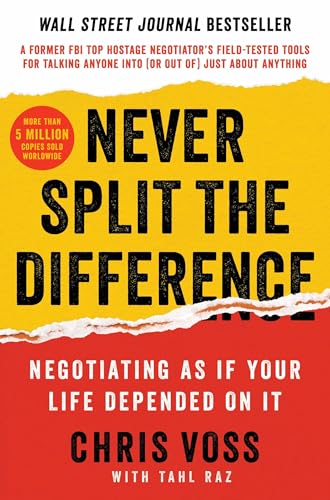
Voss references Goleman's emotional intelligence research to explain why reading the other party's emotions is more important than logical arguments in high-stakes negotiations.
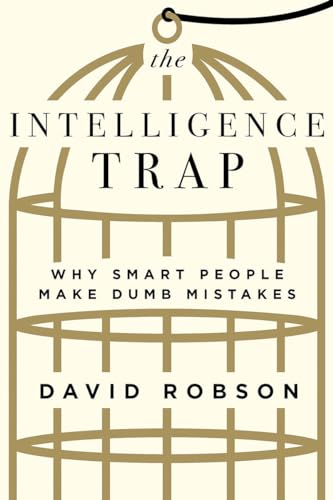
Cites Goleman's Emotional Intelligence research on why IQ alone does not predict wise decision-making
Cites Goleman's Emotional Intelligence work on how emotions are essential, not obstacles, to good decisions
Goleman directly extends his Emotional Intelligence framework to leadership, applying it to organisational contexts

References Collins' Good to Great Level 5 leadership research when discussing emotionally intelligent leadership styles

Books in this conversation
12Books that appear most often in citations on this topic, or that other authors reference when writing about it.
Emotional Intelligence
by Daniel Goleman
Referenced in 48 citations on this topic
Descartes' Error
by Antonio Damasio
Referenced in 11 citations on this topic

The Body Keeps the Score
by Bessel van der Kolk
Referenced in 9 citations on this topic
Working with Emotional Intelligence
by Daniel Goleman
Referenced in 8 citations on this topic
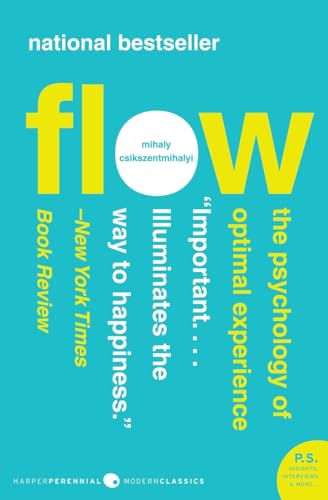
Flow
by Mihaly Csikszentmihalyi
Referenced in 7 citations on this topic
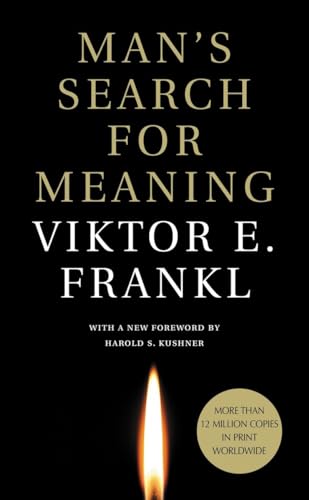
Man's Search for Meaning
by Viktor Frankl
Referenced in 6 citations on this topic
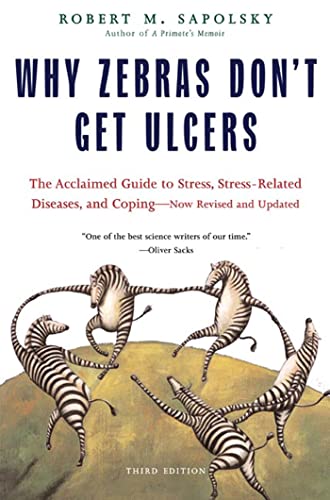
Why Zebras Don't Get Ulcers: The Acclaimed Guide to Stress, Stress-Related Diseases, and Coping
by Robert Sapolsky
Referenced in 5 citations on this topic

Thinking, Fast and Slow
by Daniel Kahneman
Referenced in 5 citations on this topic
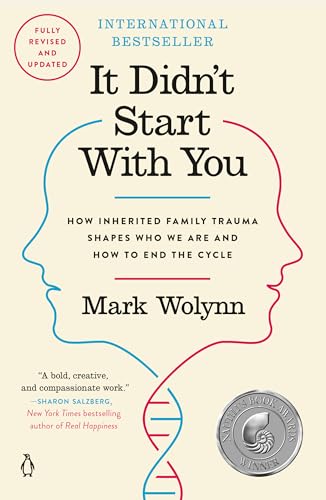
It Didn't Start with You: How Inherited Family Trauma Shapes Who We Are and How to End the Cycle
by Mark Wolynn
Referenced in 4 citations on this topic
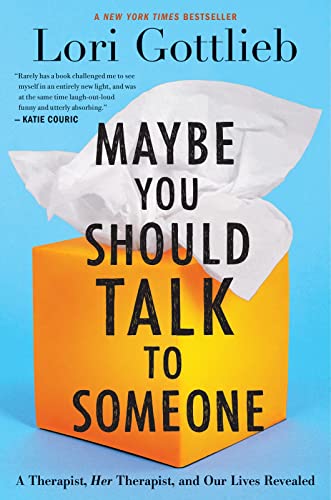
Maybe You Should Talk to Someone: A Therapist, HER Therapist, and Our Lives Revealed
by Lori Gottlieb
Referenced in 4 citations on this topic
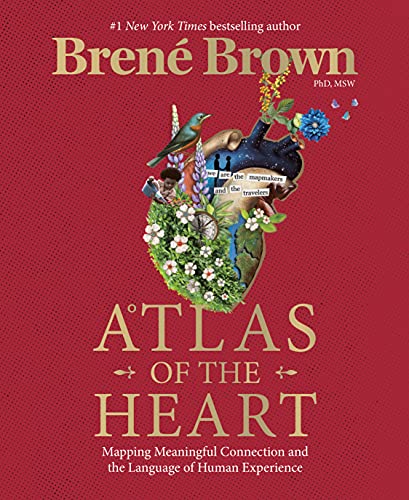
Atlas of the Heart: Mapping Meaningful Connection and the Language of Human Experience
by Brené Brown
Referenced in 4 citations on this topic

Hold Me Tight: Seven Conversations for a Lifetime of Love
by Sue Johnson
Referenced in 3 citations on this topic