Bailey positions Hyperfocus as a cognitive-science counterpart to Newport's Deep Work, citing Newport's framework while adding the neuroscience of attentional space and the complementary role of mind-wandering
Goal
How do I get genuinely focused work done in a noisy world?
The attention, focus, and flow books other authors keep citing to explain deep concentration.
The conversation
15 passagesThe exact passages where one book references another on this topic. These are the connections, not our commentary.
Cites Csikszentmihalyi's Flow research on the experience of absorbed attention as the psychological backdrop for hyperfocus, distinguishing flow's effortlessness from hyperfocus's deliberate intention
Clear references Newport's deep work philosophy to argue that focused, distraction-free practice is essential for building expertise through deliberate repetition.

Cites Csikszentmihalyi's flow research as the optimal state of focused attention
Holiday references Newport's Deep Work on focused concentration.

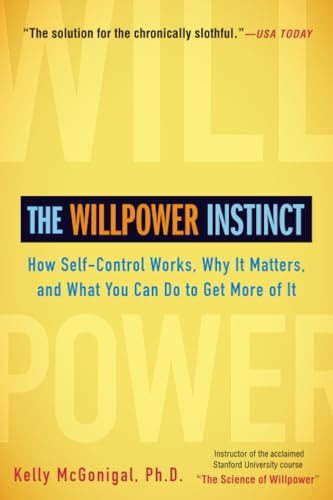
McGonigal references flow on focused attention.
Hari interviews Cal Newport and draws on Deep Work's framework that sustained concentration on cognitively demanding tasks is both rare and economically valuable in the attention economy.
Young repeatedly cites Newport's Deep Work as the attentional foundation ultralearning requires, treating Newport's concentration arguments as prerequisites for intense skill acquisition

Draws on Allen's Getting Things Done for the externalization and capture techniques that clear attentional space, framing GTD inboxes as the infrastructure hyperfocus requires
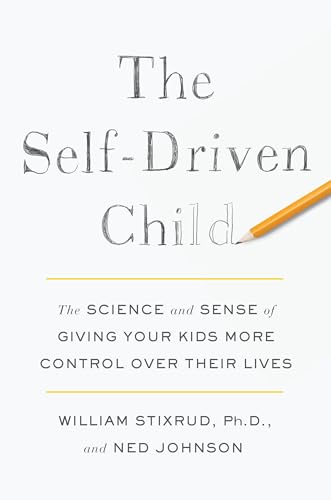
Accepts Deep Work's attention economy framing while arguing that Newport's deep-work prescription is unsustainable without first addressing the stimulation baseline that makes focus feel impossibly effortful
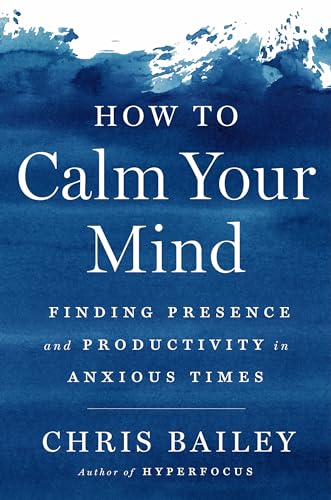
Stixrud and Johnson discuss Csikszentmihalyi's flow research to illustrate how the right balance of challenge and skill gives children practice with focused attention, intrinsic motivation, and the self-directed engagement essential for brain development
Deep Work is referenced throughout as the book's intellectual predecessor. Newport explicitly frames A World Without Email as the organisational counterpart to Deep Work — the latter focused on the individual, the former on the workflow structures that make deep work possible.
Newport cites Csikszentmihalyi's Flow research to argue that deep work is not just productive but deeply satisfying. The state of flow that comes from concentrated effort is a key source of meaning in professional life.
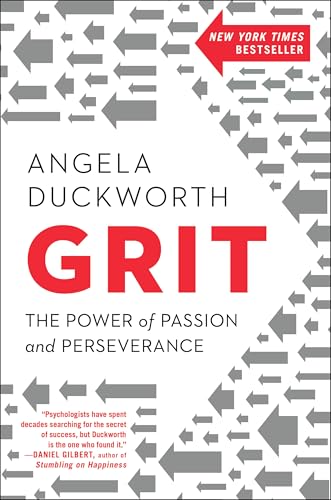
Duckworth draws a careful distinction between deliberate practice and flow. She argues that while Csikszentmihalyi's flow feels effortless, the gritty work of improvement is often uncomfortable and requires pushing beyond your current abilities.
Eyal references Csikszentmihalyi's flow research when explaining how traction differs from distraction
Books in this conversation
12Books that appear most often in citations on this topic, or that other authors reference when writing about it.
Flow
by Mihaly Csikszentmihalyi
Referenced in 91 citations on this topic

Deep Work
by Cal Newport
Referenced in 32 citations on this topic
Stolen Focus
by Johann Hari
Referenced in 7 citations on this topic

Getting Things Done
by David Allen
Referenced in 6 citations on this topic
A World Without Email: Reimagining Work in an Age of Communication Overload
by Cal Newport
Referenced in 5 citations on this topic
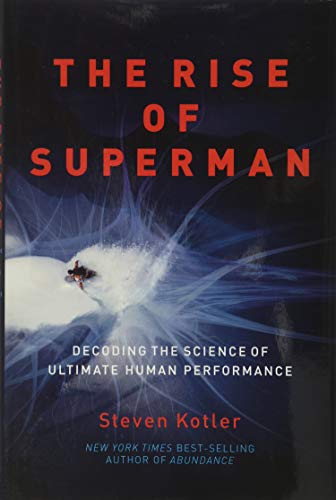
The Rise of Superman
by Steven Kotler
Referenced in 5 citations on this topic
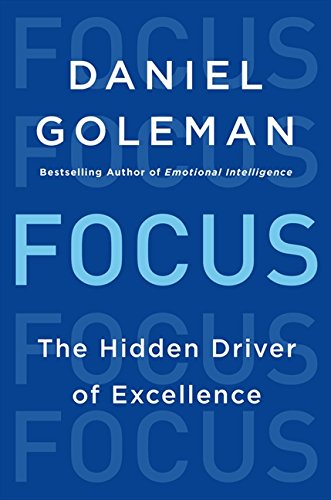
Focus
by Daniel Goleman
Referenced in 5 citations on this topic
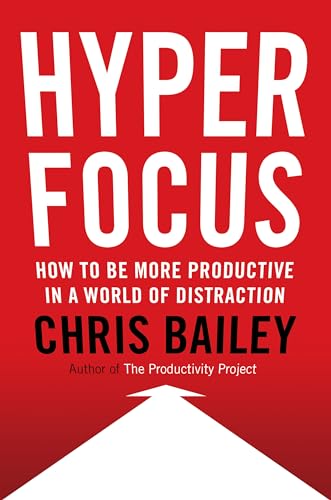
Hyperfocus: How to Be More Productive in a World of Distraction
by Chris Bailey
Referenced in 4 citations on this topic

The Power of Habit
by Charles Duhigg
Referenced in 5 citations on this topic

Thinking, Fast and Slow
by Daniel Kahneman
Referenced in 5 citations on this topic

Mindset
by Carol Dweck
Referenced in 5 citations on this topic
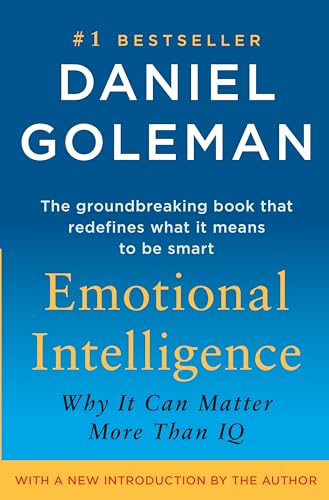
Emotional Intelligence
by Daniel Goleman
Referenced in 4 citations on this topic