Agrawal, Gans, and Goldfarb build directly on Brynjolfsson and McAfee's The Second Machine Age analysis of digital technologies as general-purpose technologies, reframing AI specifically as a prediction technology rather than a general automation technology
Goal
What is actually happening with AI and technology?
The AI, automation, and tech-and-society books other authors reference when thinking about what machines are doing to us.
The conversation
15 passagesThe exact passages where one book references another on this topic. These are the connections, not our commentary.
Lee directly engages with Brynjolfsson and McAfee's thesis from The Second Machine Age about technological unemployment, arguing their estimates are too conservative given China's rapid AI adoption and the speed of deep-learning advances
Addresses Harari's Homo Deus concern about algorithms knowing humans better than they know themselves, arguing this makes preference-learning AI both more feasible and more necessary to get right

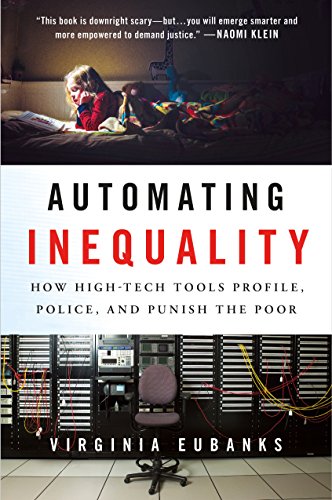
References Kahneman's Thinking, Fast and Slow research on automation bias to show how caseworkers defer to algorithmic risk scores even when their own professional judgement suggests different conclusions
Kearns and Roth engage critically with Domingos's The Master Algorithm vision of universal machine learning, arguing that the pursuit of predictive accuracy without fairness constraints produces socially harmful outcomes that technical solutions can address
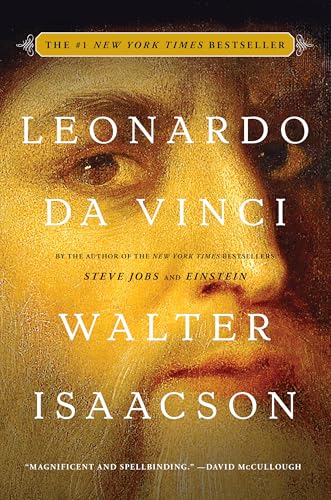
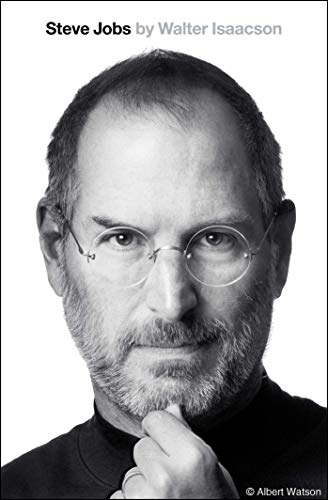
Isaacson explicitly connects Leonardo to Jobs throughout the biography. Both figures combined art and technology, and Isaacson uses his earlier Jobs research to illuminate how Leonardo's "think different" approach mirrors Silicon Valley innovation.
Tegmark directly engages with Bostrom's superintelligence scenarios, including the famous paperclip maximiser thought experiment. He builds on Bostrom's concerns while offering a more optimistic framework for AI alignment.
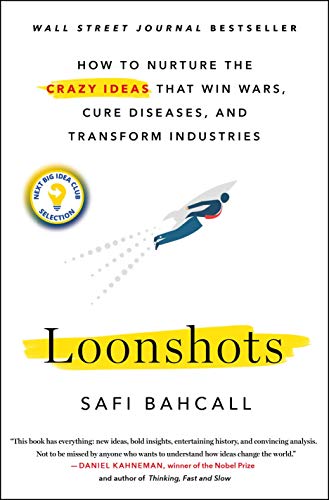
Bahcall explicitly distinguishes his "loonshots" framework from Christensen's disruption theory, arguing that what kills companies isn't disruptive technology but a failure to nurture fragile early-stage ideas.
Blank references Moore's technology adoption lifecycle and the chasm concept extensively in his market-type analysis
Tegmark references Domingos's Master Algorithm.
Algorithms to Live By references Kahneman on cognitive biases.
Newport references McKeown's essentialism on intentional technology use.


Humble references Pragmatic Programmer on automation.
Olsen references Moore's technology adoption lifecycle.
Alter draws on Kahneman's System 1 on addictive technologies.
Books in this conversation
12Books that appear most often in citations on this topic, or that other authors reference when writing about it.

Thinking, Fast and Slow
by Daniel Kahneman
Referenced in 9 citations on this topic
The Second Machine Age
by Erik Brynjolfsson
Referenced in 6 citations on this topic
Life 3.0
by Max Tegmark
Referenced in 5 citations on this topic
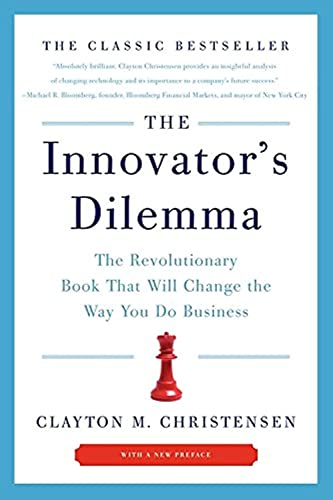
The Innovator's Dilemma
by Clayton Christensen
Referenced in 5 citations on this topic
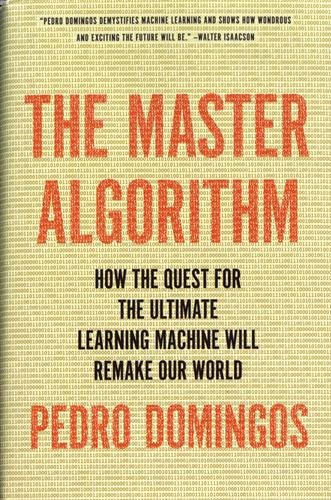
The Master Algorithm
by Pedro Domingos
Referenced in 4 citations on this topic

Superintelligence
by Nick Bostrom
Referenced in 4 citations on this topic

AI Superpowers: China, Silicon Valley, and the New World Order
by Kai-Fu Lee
Referenced in 4 citations on this topic
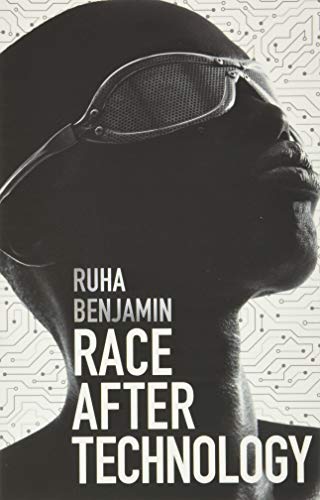
Race After Technology: Abolitionist Tools for the New Jim Code
by Ruha Benjamin
Referenced in 4 citations on this topic
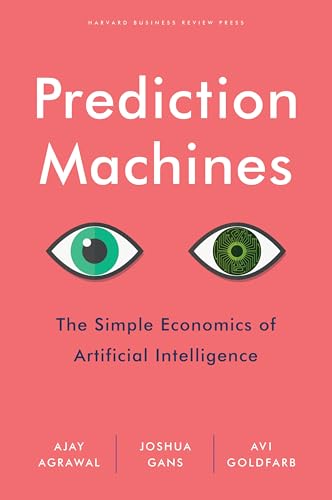
Prediction Machines: The Simple Economics of Artificial Intelligence
by Ajay Agrawal, Joshua Gans, and Avi Goldfarb
Referenced in 4 citations on this topic
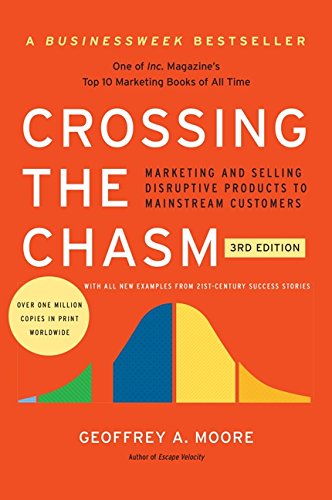
Crossing the Chasm
by Geoffrey Moore
Referenced in 4 citations on this topic
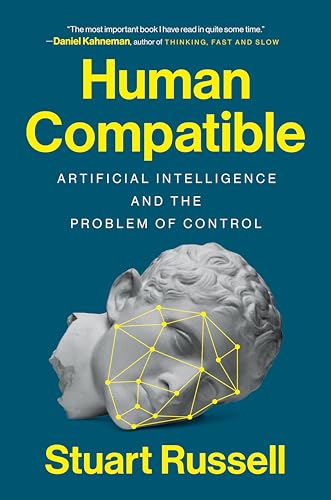
Human Compatible: Artificial Intelligence and the Problem of Control
by Stuart Russell
Referenced in 4 citations on this topic
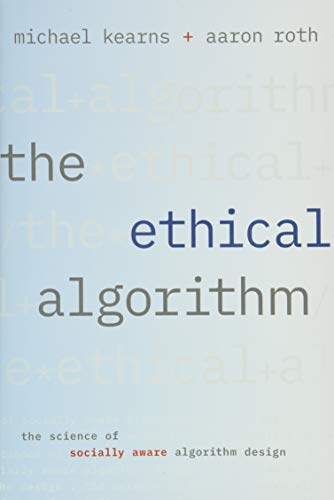
The Ethical Algorithm: The Science of Socially Aware Algorithm Design
by Michael Kearns and Aaron Roth
Referenced in 4 citations on this topic