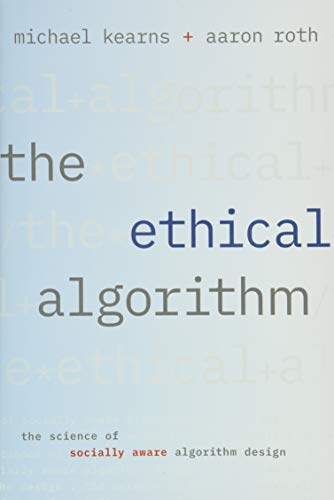
The Ethical Algorithm: The Science of Socially Aware Algorithm Design

The Ethical Algorithm: The Science of Socially Aware Algorithm Design

by Michael Kearns and Aaron Roth

star4.1

Computer scientists Michael Kearns and Aaron Roth present rigorous but accessible solutions to the societal harms of algorithms, covering differential privacy, algorithmic fairness, and game-theoretic mechanism design. Rather than simply diagnosing problems, they show how mathematical frameworks can embed human values like privacy and fairness directly into algorithm design, providing a technical counterpart to the policy-focused critiques of algorithmic harm.

Published:
Pages:
232
Buy on Amazon

In the Conversation

In this collection, The Ethical Algorithm: The Science of Socially Aware Algorithm Design references 4 other books.

It draws on The Master Algorithm, Algorithms to Live By and The Signal and the Noise.

Scroll down to read the exact passages where other authors reference this book and what they say about it.

What This Book Draws On

4

The books Roth references and why each one mattered to the argument.

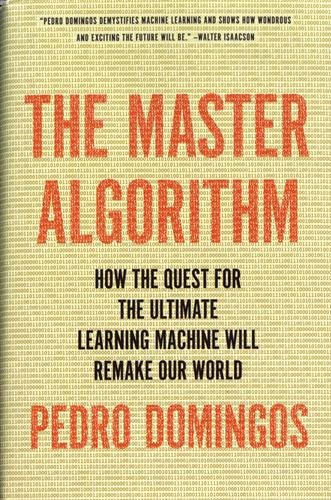
Kearns and Roth engage critically with Domingos's The Master Algorithm vision of universal machine learning, arguing that the pursuit of predictive accuracy without fairness constraints produces socially harmful outcomes that technical solutions can address

The Master Algorithm

References

The Master Algorithm

by Pedro Domingos

Buy

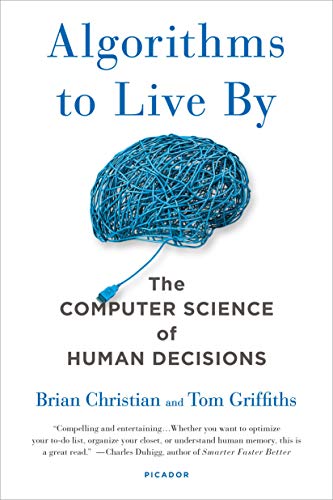
Builds on Christian and Griffiths's Algorithms to Live By framework of algorithm-as-decision-tool to show how adding constraints for fairness and privacy transforms optimal algorithms into socially aware ones

Algorithms to Live By

References

Algorithms to Live By

by Brian Christian

Buy

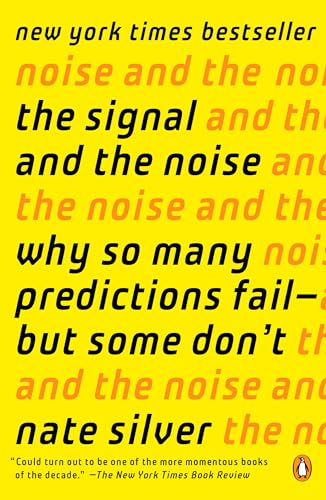
Extends Silver's The Signal and the Noise analysis of overfitting and model error to the domain of algorithmic fairness, showing how differential privacy adds principled noise to prevent individual data leakage

The Signal and the Noise

References

The Signal and the Noise

by Nate Silver

Buy

Draws on the behavioural framework from Thaler and Sunstein's Nudge to argue that algorithms are a form of choice architecture whose design decisions have profound moral implications for the populations they affect

Nudge

References

Nudge

by Richard Thaler

Buy

What Other Authors Say About It

No books citing this title yet.

Intellectual Lineage

How ideas flow through the citation network. Ancestors are books this title builds on; descendants are books that build on it.

Unexpected Connections

Books from completely different categories that share citation overlap with this one. These are the reads you would not find by browsing a single shelf.

If you liked this, try

Books with the highest citation overlap within the same categories.

Citation Network

This book and its direct connections. Hover a node to see its title, click to visit.

Books this book cites
Books that cite this book
Larger dot = more connections
Nudge

Hover a node to highlight its connections. Click to open the book page. Node size reflects total citation links.