Attia references Walker's Why We Sleep on sleep as longevity pillar.
Goal
How do I actually take care of my body?
Sleep, exercise, diet, and longevity books other authors keep pointing to when writing about how to feel well.
The conversation
15 passagesThe exact passages where one book references another on this topic. These are the connections, not our commentary.
Kross cites van der Kolk's Body Keeps the Score work on trauma to argue that chronic chatter physically wears down the body through sustained stress-hormone exposure.
Longo references Mukherjee's cancer biology to explain how fasting-mimicking diets sensitize malignant cells while protecting healthy ones during chemotherapy

References van der Kolk's The Body Keeps the Score on trauma held somatically, applied to her patients' physical symptoms and dissociation
Bryson's chapter on sleep leans on Matthew Walker's Why We Sleep, citing Walker for the evidence that teenage sleep schedules and chronic sleep deprivation damage health.
Stixrud and Johnson draw on the autonomy research from Deci and Ryan's self-determination theory, the same body of work Pink synthesized in Drive, to argue that children need to feel in control of their lives to develop healthy motivation

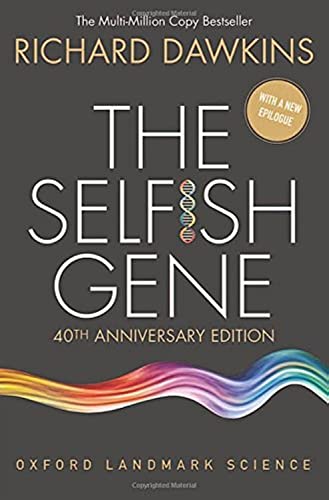
The Extended Phenotype is Dawkins's intellectual sequel to The Selfish Gene. He extends the gene-centric view to argue that genes reach beyond the body to influence the wider environment.
Walker cites Kahneman on sleep deprivation impairing cognition.

Hari draws on Matthew Walker's Why We Sleep to argue that sleep deprivation is a core, under-recognised driver of the collective attention collapse.
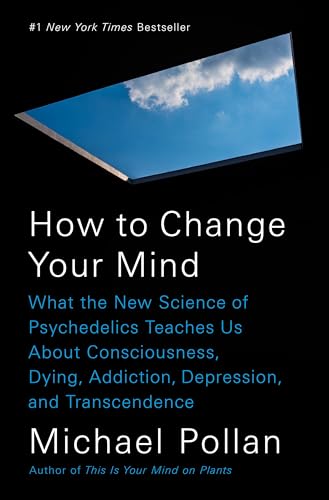
Pollan cites Walker's Why We Sleep research on REM dreaming when discussing how psychedelics and dream states share mechanisms of loosening the default-mode network's grip on cognition.
Nestor draws on Walker's sleep research to explain how mouth breathing fragments sleep architecture and drives apnea, reinforcing the book's case for nasal breathing at night
Nestor builds on van der Kolk's trauma-body framework, using it to explain why slow breathing regulates the vagus nerve and calms stored stress responses
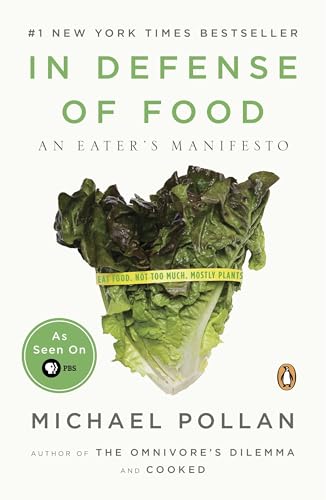
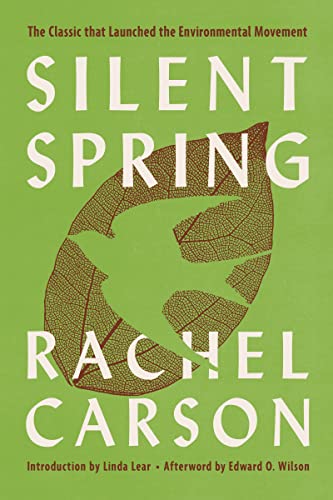
Pollan invokes Carson's warning about industrial chemistry reshaping nature to frame how food science has similarly degraded the modern diet
Ratey invokes Csikszentmihalyi's flow research to explain how rhythmic exercise produces the focused, absorbed brain states athletes describe as runner's high
Ratey builds on Goleman's emotional-intelligence framework to show how exercise strengthens the prefrontal-limbic circuits that regulate mood and impulse
Books in this conversation
12Books that appear most often in citations on this topic, or that other authors reference when writing about it.

Why We Sleep
by Matthew Walker
Referenced in 10 citations on this topic

The Body Keeps the Score
by Bessel van der Kolk
Referenced in 9 citations on this topic
Spark: The Revolutionary New Science of Exercise and the Brain
by John Ratey
Referenced in 3 citations on this topic

How Not to Die: Discover the Foods Scientifically Proven to Prevent and Reverse Disease
by Michael Greger
Referenced in 3 citations on this topic
The Gene
by Siddhartha Mukherjee
Referenced in 3 citations on this topic
Emotional Intelligence
by Daniel Goleman
Referenced in 3 citations on this topic
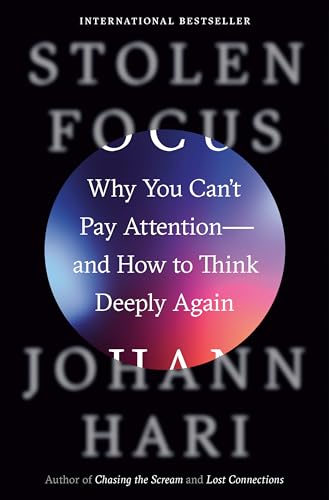
Stolen Focus
by Johann Hari
Referenced in 2 citations on this topic
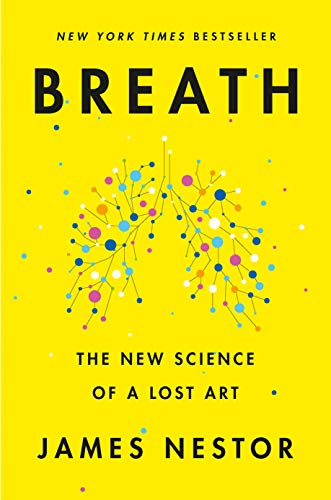
Breath: The New Science of a Lost Art
by James Nestor
Referenced in 2 citations on this topic

The Circadian Code: Lose Weight, Supercharge Your Energy, and Transform Your Health from Morning to Midnight
by Satchin Panda
Referenced in 2 citations on this topic

The Anxious Generation: How the Great Rewiring of Childhood Is Causing an Epidemic of Mental Illness
by Jonathan Haidt
Referenced in 2 citations on this topic
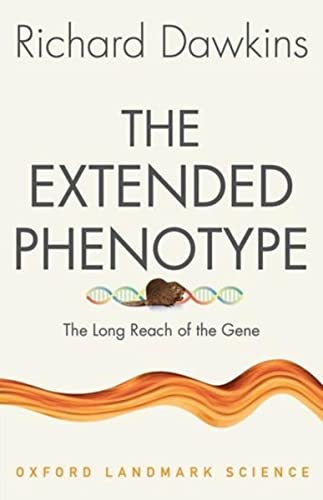
The Extended Phenotype
by Richard Dawkins
Referenced in 2 citations on this topic

Outlive
by Peter Attia
Referenced in 1 citation on this topic