Brown draws on Jim Collins's Good to Great for insights on cultivating courageous leadership cultures. She calls out the book's core argument about disciplined people and action as foundational to the work of brave leadership.
Goal
How do I do the brave thing when I’m afraid?
Books on fear, risk, and courage that other authors keep citing when the stakes get real.
The conversation
15 passagesThe exact passages where one book references another on this topic. These are the connections, not our commentary.
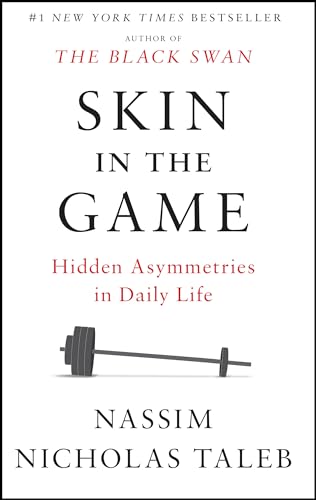
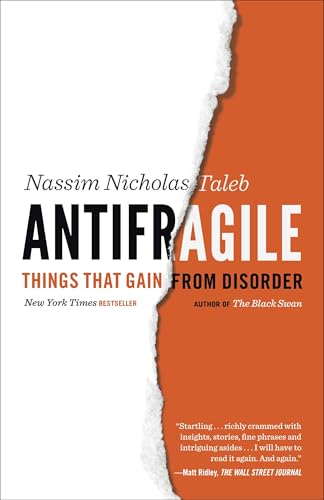
Skin in the Game extends Taleb's Incerto series. Where Antifragile asked how systems gain from disorder, Skin in the Game argues that having personal risk in the game is essential for ethical decision-making.
Thiel references lean startup methodology, critiquing iterating without bold vision.


Brown cites Dweck's growth mindset for courageous leadership.

Housel references Taleb's tail risk and randomness concepts.

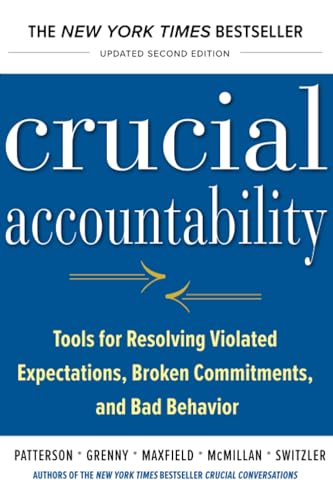
References Duhigg's Power of Habit research on cue-routine-reward loops when diagnosing why violated expectations persist even after confrontation

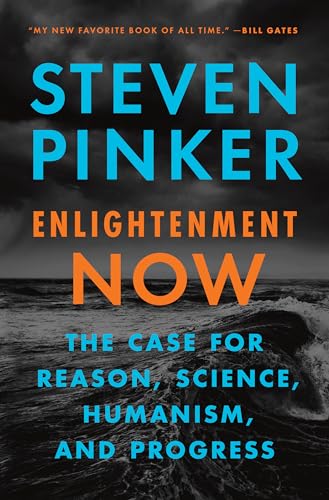
Pinker engages Bostrom's Superintelligence in his existential-risk chapter, rejecting what he calls the most extreme AI doom scenarios while acknowledging Bostrom's concerns merit serious analysis.
Ord draws on Bostrom's Superintelligence throughout the AI-risk chapter, adopting Bostrom's definitions of existential catastrophe and his framework for misaligned optimization, and names Bostrom as a key colleague at Oxford's Future of Humanity Institute.
Lewis draws directly on Taleb's Black Swan framework of fat-tailed risk and financial blindness to frame why the crisis was missed by mainstream Wall Street
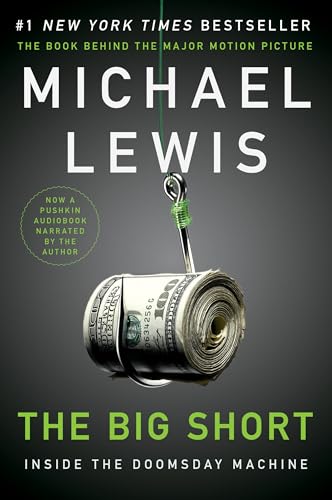
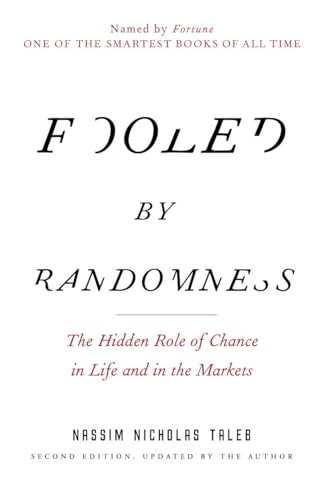
Lewis builds on Taleb's Fooled by Randomness argument that traders confuse luck with skill, showing how mortgage desks mistook systemic risk for clever innovation
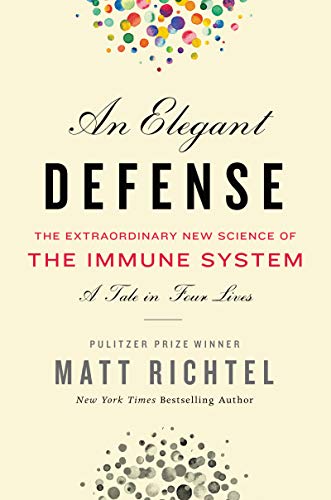
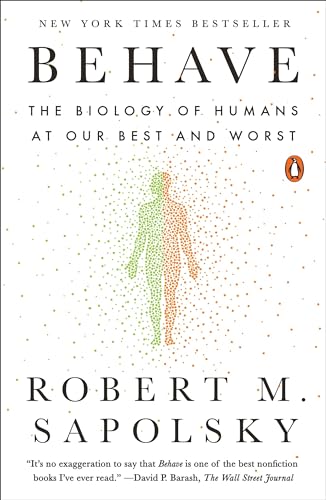
Richtel draws on Sapolsky's work on stress biology to explain how chronic cortisol elevation suppresses T-cell function and raises infection risk
Marks repeatedly invokes Taleb's Black Swan concept of rare, high-impact events when explaining why manageing risk (not chasing return) is the investor's essential task
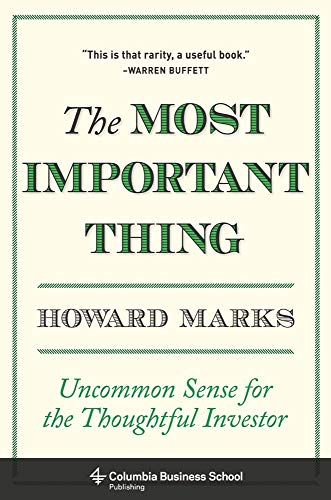
Marks builds on Taleb's Black Swan framework to argue that cycle extremes are driven by underestimated tail risks that the consensus refuses to price in
Marks leans on Kahneman's work on System 1 emotional reasoning to explain why investors oscillate between greed and fear at precisely the wrong moments in the cycle

Marks repeatedly invokes Buffett and Munger's counter-cyclical maxims from Poor Charlie's Almanack, especially 'be fearful when others are greedy'

Books in this conversation
12Books that appear most often in citations on this topic, or that other authors reference when writing about it.

Dare to Lead
by Brene Brown
Referenced in 5 citations on this topic
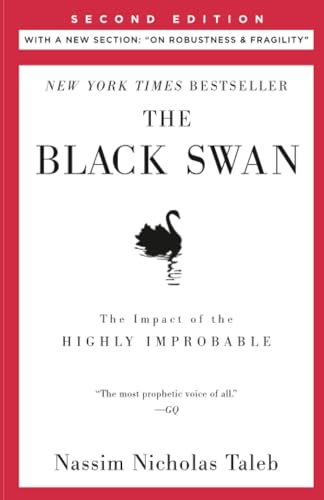
The Black Swan
by Nassim Nicholas Taleb
Referenced in 5 citations on this topic
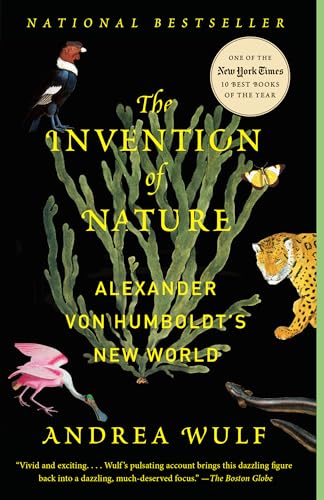
The Invention of Nature: Alexander von Humboldt's New World
by Andrea Wulf
Referenced in 4 citations on this topic
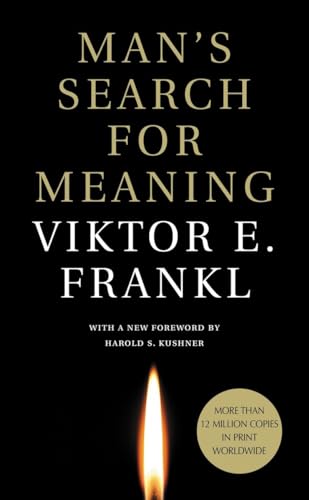
Man's Search for Meaning
by Viktor Frankl
Referenced in 4 citations on this topic
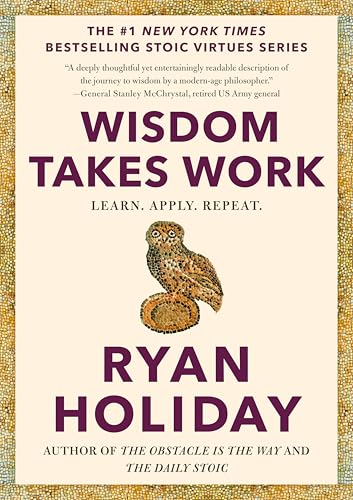
Wisdom Takes Work
by Ryan Holiday
Referenced in 4 citations on this topic
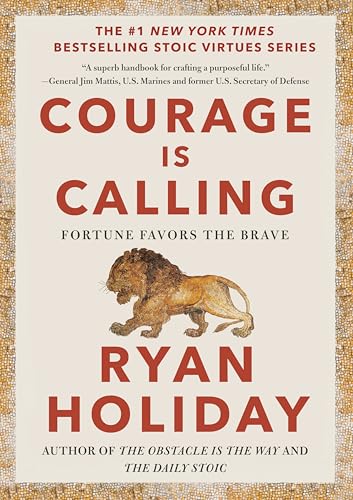
Courage Is Calling: Fortune Favors the Brave
by Ryan Holiday
Referenced in 3 citations on this topic

Superintelligence
by Nick Bostrom
Referenced in 3 citations on this topic
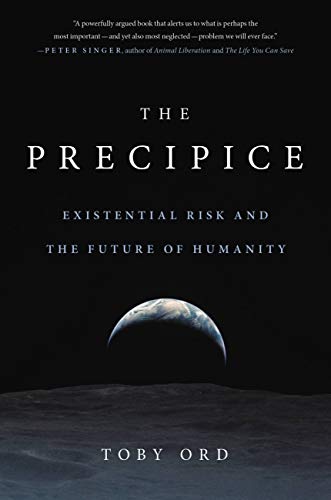
The Precipice
by Toby Ord
Referenced in 3 citations on this topic
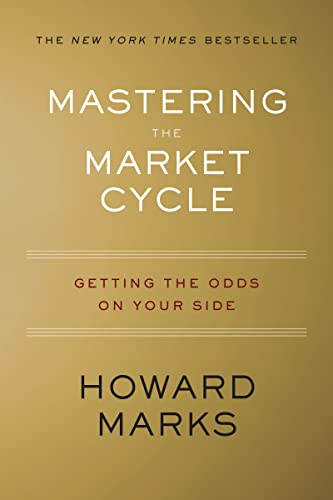
Mastering the Market Cycle: Getting the Odds on Your Side
by Howard Marks
Referenced in 3 citations on this topic
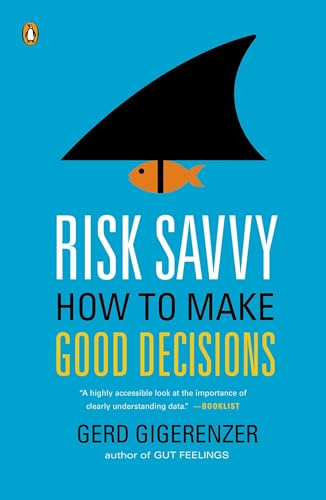
Risk Savvy: How to Make Good Decisions
by Gerd Gigerenzer
Referenced in 3 citations on this topic

Good to Great
by Jim Collins
Referenced in 3 citations on this topic
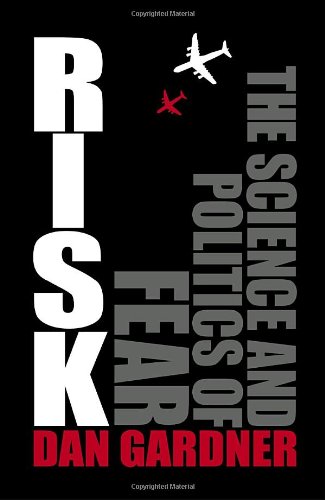
Risk: The Science and Politics of Fear
by Dan Gardner
Referenced in 2 citations on this topic