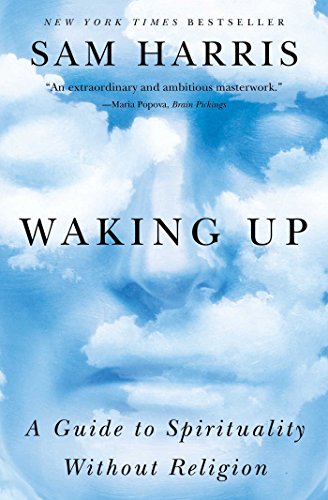
Waking Up
by Sam Harris
star4
Harris argues you can explore spirituality and consciousness without religion or superstition. Through meditation and neuroscience, he maps a rational path to transcending the illusion of the self.
- Published:
- Pages:
- 256
by Sam Harris
Harris argues you can explore spirituality and consciousness without religion or superstition. Through meditation and neuroscience, he maps a rational path to transcending the illusion of the self.
In this collection, Waking Up references 1 other book and is cited by 5 other books.
It draws on The Power of Now.
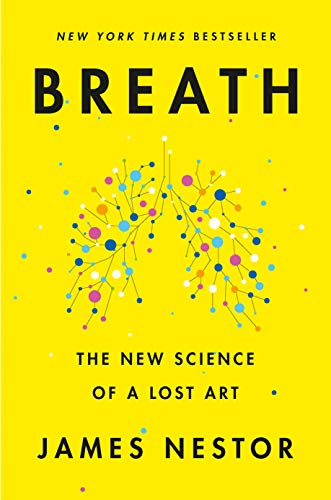
It’s picked up by How to Change Your Mind, Breath: The New Science of a Lost Art and The Creative Act: A Way of Being and 2 others.
Scroll down to read the exact passages where other authors reference this book and what they say about it.
Waking Up is widely respected for carving out a credible space for secular spirituality grounded in neuroscience and direct meditative experience. Michael Pollan engages with Harris's framework on non-dual consciousness to describe ego-dissolution in psilocybin sessions, while Robert Wright shares Harris's secular approach to meditation but pushes further into evolutionary explanations for why mindfulness dissolves the illusion of a unified self.
Daniel Goleman and Richard Davidson subject Harris's phenomenological claims to empirical scrutiny in Altered Traits, and Rick Rubin's instructions on quieting the mind to receive creative ideas echo Harris's awareness training. Readers praise the book for making meditation intellectually respectable without stripping it of depth, though some find Harris's dismissal of religious traditions too sweeping.
The books Harris references and why each one mattered to the argument.
Harris discusses Tolle's Power of Now on mindfulness.
The exact passages where other authors bring up “Waking Up” and what they take from it.
Pollan engages Sam Harris's Waking Up on the phenomenology of non-dual consciousness, using Harris's secular mysticism framework to describe the ego-dissolution reported in psilocybin sessions.
Nestor references Harris's work on meditation and consciousness when describing how breath-pace entrains brain states during Tummo and other contemplative practices
Rubin's meditation-derived instructions on quieting the mind to 'receive' ideas align with Harris's framework in Waking Up for using awareness training to loosen the grip of the self
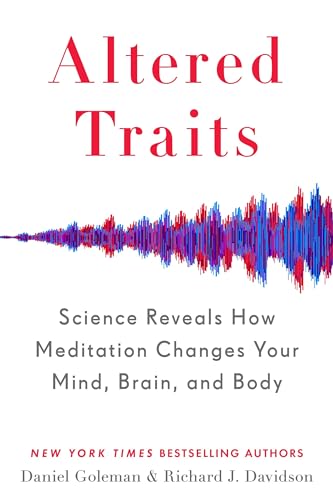
Goleman and Davidson engage with Sam Harris's arguments in Waking Up about meditation's capacity to dissolve the illusion of self, subjecting Harris's phenomenological claims to empirical scrutiny.
Cited in
Altered Traits: Science Reveals How Meditation Changes Your Mind, Brain, and Bodyby Daniel Goleman and Richard J. Davidson
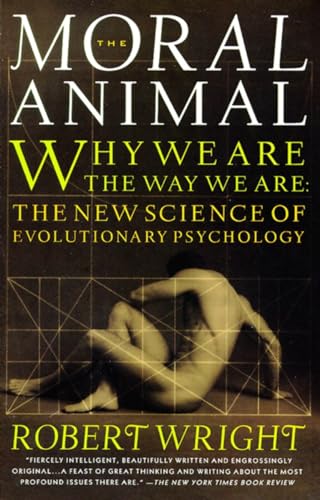
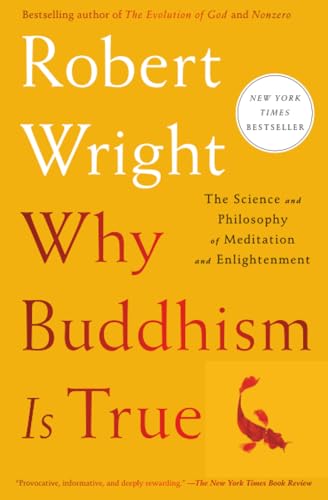
Wright engages directly with Sam Harris's Waking Up, sharing Harris's secular approach to meditation while pushing further into evolutionary explanations for why mindfulness dissolves the illusion of a unified self.
Cited in
Why Buddhism Is True: The Science and Philosophy of Meditation and Enlightenmentby Robert Wright
How ideas flow through the citation network. Ancestors are books this title builds on; descendants are books that build on it.
Directly cites
Books from completely different categories that share citation overlap with this one. These are the reads you would not find by browsing a single shelf.
Flow
Mihaly Csikszentmihalyi
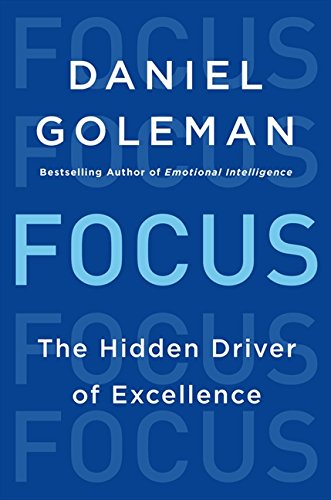
Focus
Daniel Goleman
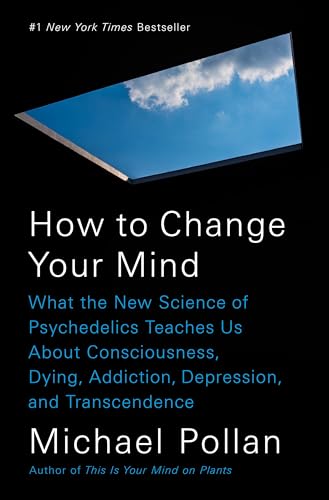
How to Change Your Mind
Michael Pollan

Maybe You Should Talk to Someone: A Therapist, HER Therapist, and Our Lives Revealed
Lori Gottlieb
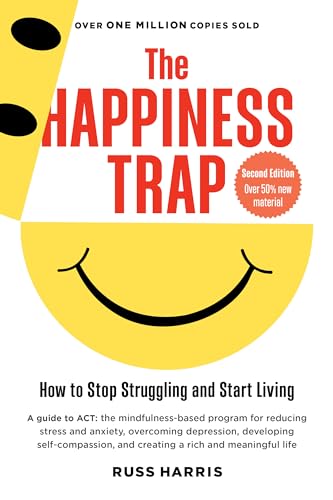
The Happiness Trap: How to Stop Struggling and Start Living
Russ Harris
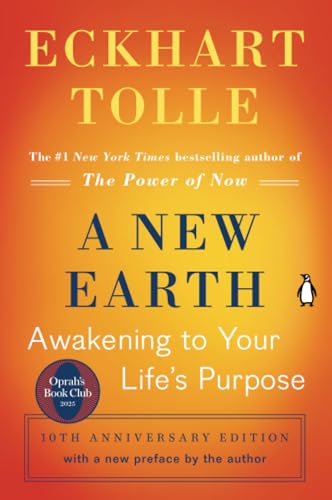
A New Earth: Awakening to Your Life's Purpose
Eckhart Tolle
Books with the highest citation overlap within the same categories.
This book and its direct connections. Hover a node to see its title, click to visit.
Hover a node to highlight its connections. Click to open the book page. Node size reflects total citation links.