KP
Kerry Patterson
Author, Leadership Consultant
Author, Leadership Consultant

Author and Leadership Strategist
Leadership Consultant and Author

Authors and Leadership Consultants

Author and Leadership Expert
Leadership Researcher and Author
Leadership Researchers and Authors
Leadership Author and Entrepreneur

Leadership Author and Professor

Leadership author and speaker

Leadership scholars and authors
Leadership Thinker and Author

by Brene Brown
Brown's research shows that vulnerability is not weakness but the foundation of courageous leadership. Leaders who embrace discomfort build more trusting, innovative teams.

by Ben Horowitz
Horowitz shares hard-won lessons from running a startup through near-death crises. There is no formula, leadership means making impossible decisions when there are no good options.

by Gino Wickman
Wickman presents the Entrepreneurial Operating System, a framework for running a business with clarity and discipline. It boils leadership down to six key components: vision, people, data, issues, process, and traction.

by Patrick Lencioni
Lencioni uses a leadership fable to diagnose five interconnected failures that cripple teams: absence of trust, fear of conflict, lack of commitment, avoidance of accountability, and inattention to results.

by Alfred Lansing
Lansing reconstructs Shackleton's 1914 Antarctic expedition in gripping detail. Twenty-seven men survived two years stranded on ice through extraordinary leadership and endurance.
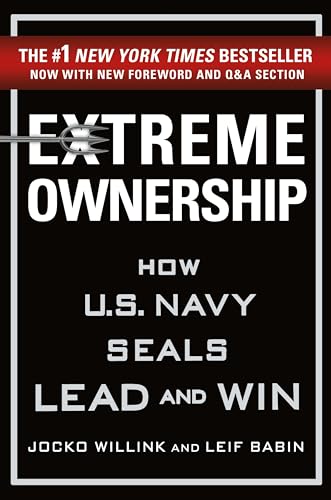
by Jocko Willink
Willink and Babin argue that every leadership failure is ultimately a failure of ownership. Lessons from Navy SEAL combat translate directly: leaders must own everything in their world, no excuses.
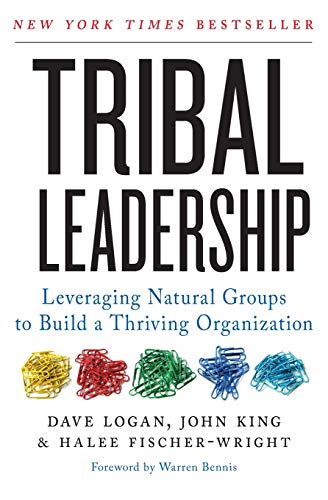
by Dave Logan
Logan identifies five tribal stages that define workplace cultures, from hostile survival to visionary collaboration. Upgrading your tribe's language and relationships unlocks the next performance level.

by Robert Iger
Iger shares the principles that guided Disney's acquisitions of Pixar, Marvel, and Lucasfilm. His core leadership lessons: pursue big bets with courage, treat people with fairness, and embrace innovation.
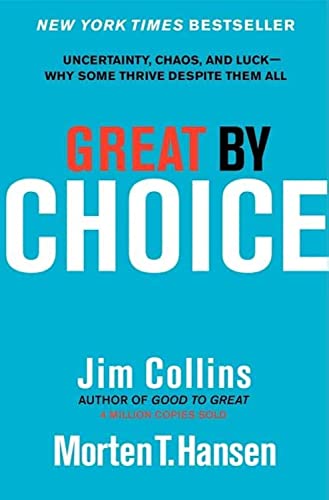
by Jim Collins
Collins finds companies thriving in chaos succeed through disciplined consistency, not bold risk-taking. The best leaders combine fanatic discipline, empirical creativity, and productive paranoia.
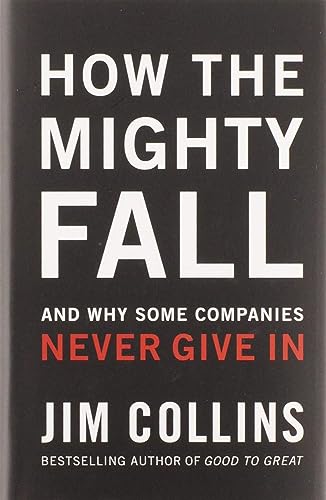
by Jim Collins
Collins identifies a five-stage pattern of decline, from the hubris of success to capitulation. Decline is largely self-inflicted and invisible until the late stages, but early detection helps.

by Daniel Goleman
Goleman argues a leader's emotional state is contagious and directly shapes team performance. Effective leaders master resonance - driving emotions positively through self-awareness and empathy.

by Michael Watkins
Watkins argues the first ninety days in a new role define long-term success or failure. Early wins, relationship building, and matching strategy to situation prevent common transition traps.

by L. David Marquet
Marquet transformed a struggling submarine by replacing command-and-control with intent-based leadership. Giving control to the people closest to the information unleashed extraordinary results.

by Simon Sinek
Sinek argues that great leaders create a Circle of Safety so teams can focus on external threats rather than internal politics, and explains the behavior through four chemicals: endorphins, dopamine, serotonin, and oxytocin. He contrasts serotonin- and oxytocin-driven selfless cultures with the cortisol-soaked environments produced by fear-based management.
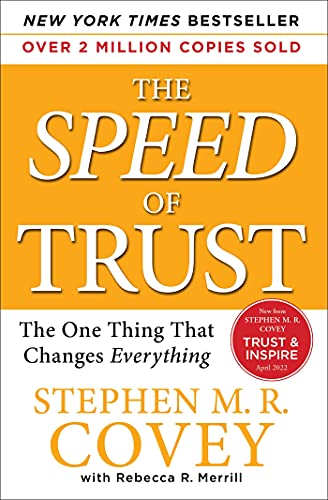
by Stephen M.R. Covey
Covey argues that trust is the one variable that accelerates everything in business, and that it is a learnable competency rather than a soft virtue. He unpacks the 4 Cores of Credibility and 13 Behaviors of high-trust leaders, showing with case examples how low trust acts as a tax and high trust as a dividend.

by Patrick Lencioni
Lencioni argues that organisational health, being whole, consistent, and minimally politicized, is the last untapped competitive advantage because it is free and nobody is doing it. He lays out four disciplines: build a cohesive leadership team, create clarity, overcommunicate clarity, and reinforce clarity through human systems.
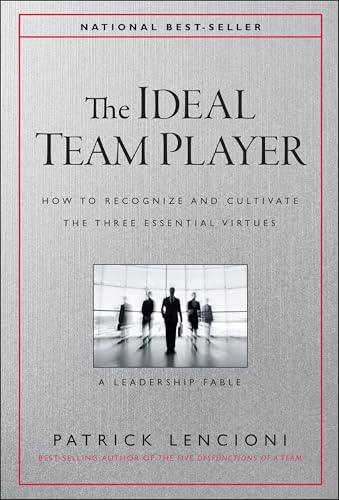
by Patrick Lencioni
Lencioni argues that the best team players are humble, hungry, and smart (people-smart), and that missing any one of the three creates predictable failure modes like the accidental mess-maker or the skillful politician. The fable follows a construction company heir using the three-virtue model to hire, coach, and fire against a team-first culture.
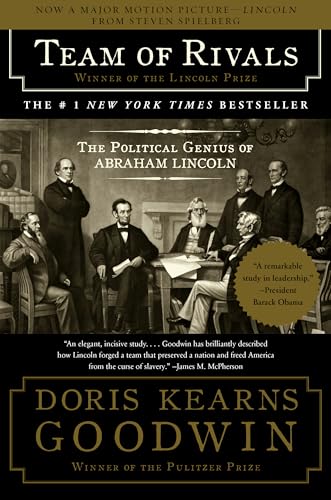
by Doris Kearns Goodwin
Goodwin reconstructs Lincoln's decision to appoint his chief political rivals - Seward, Chase, and Bates - to his cabinet, turning adversaries into collaborators. Goodwin argues that Lincoln's emotional intelligence and willingness to absorb dissent were the cornerstones of his wartime leadership.
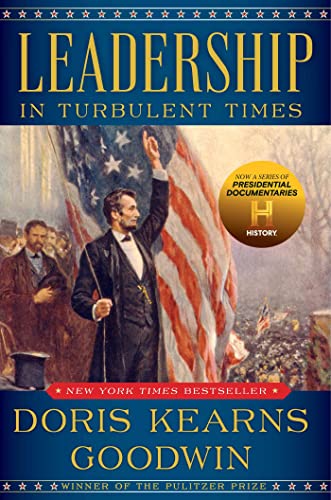
by Doris Kearns Goodwin
Goodwin distills five decades of studying Lincoln, Theodore Roosevelt, FDR, and LBJ into a framework of how leaders develop through ambition, adversity, and crisis. She argues that leadership is learned through specific, identifiable habits of empathy, communication, and resilience during difficult eras.
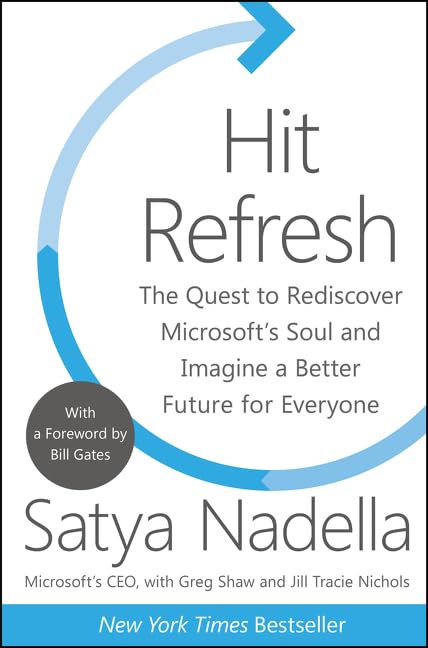
by Satya Nadella
Nadella recounts his transformation of Microsoft from a know-it-all culture to a learn-it-all culture, pivoting the company to cloud and AI while rebuilding strategic partnerships with former rivals. By last name, Nadella argues that empathy, growth mindset, and a reinvigorated mission are the true foundations of enterprise strategy in the age of ambient intelligence.
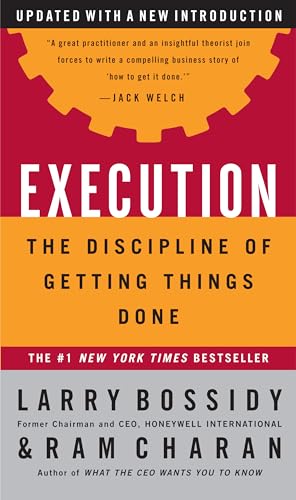
by Larry Bossidy and Ram Charan
Bossidy and Charan argue that execution is a discipline integral to strategy, not a tactical afterthought, and that it rests on three core processes: people, strategy, and operations, linked by robust dialogue. Drawing on Bossidy's tenure at AlliedSignal and Honeywell, they show how leaders who fail to engage personally in these processes deliver plans that never become results.
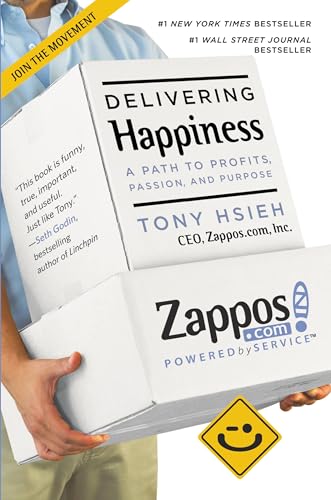
by Tony Hsieh
Hsieh chronicles his path from childhood worm farms through selling LinkExchange to Microsoft and building Zappos into a billion-dollar company acquired by Amazon, arguing that culture, core values, and customer happiness, not product or price, are the real moats. He lays out the ten Zappos core values and makes the case that companies optimizing for employee and customer happiness will outlast those optimizing purely for profit.
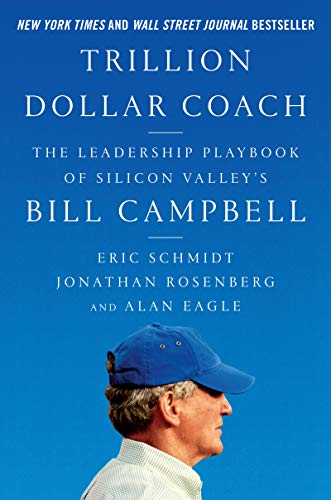
by Eric Schmidt, Jonathan Rosenberg, and Alan Eagle
The authors, all Google veterans, distill the coaching philosophy of Bill Campbell - the former football coach who mentored Steve Jobs, Larry Page, Sergey Brin, Eric Schmidt, Sheryl Sandberg, and Jeff Bezos - based on interviews with 80 people who knew him. They argue that the best operational leaders in tech ran on trust, psychological safety, and team-first decision-making, and that Campbell's people-centric coaching explains much of the trillion dollars in market value he helped create.
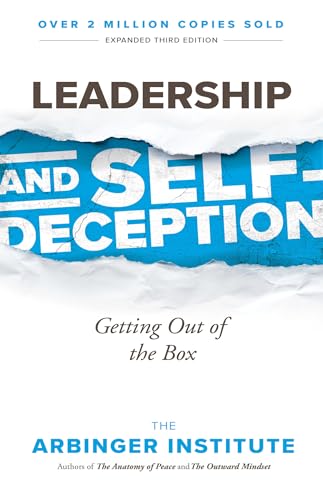
by The Arbinger Institute
Using a compelling narrative about an executive confronting challenges at work and home, this book exposes the subtle self-deception that undermines leadership effectiveness. It reveals how leaders unknowingly trap themselves in a 'box' of self-justification that damages relationships, teamwork, and organisational results.
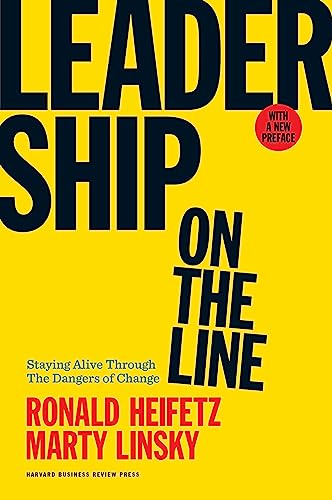
by Ronald A. Heifetz and Marty Linsky
Drawing on decades of research and consulting at Harvard Kennedy School, Heifetz and Linsky present a practical framework for exercising adaptive leadership when facing complex organisational challenges. The book addresses the real dangers leaders face when pushing for change, offering strategies for manageing resistance, staying politically astute, and maintaining personal resilience.
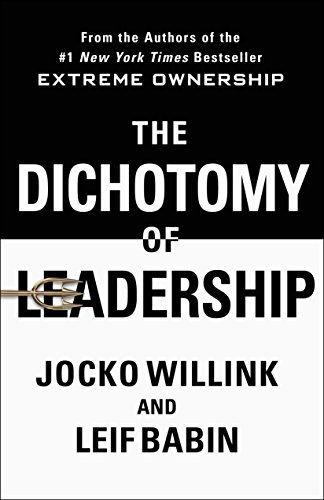
by Jocko Willink and Leif Babin
The follow-up to Extreme Ownership, this book addresses the most common leadership challenge: finding the balance between opposing forces. Willink and Babin draw on their combat experience as Navy SEALs and business consulting work to show that leadership requires nuance, not just bold decisiveness.
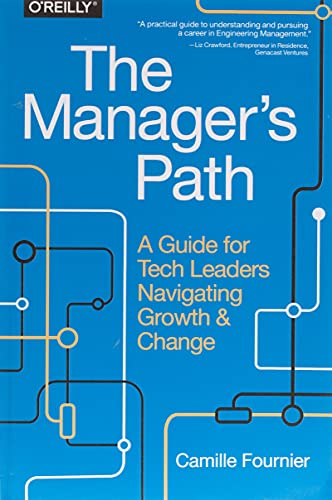
by Camille Fournier
A practical guide that walks through every stage of the technical management career ladder, from mentoring interns to manageing multiple teams to becoming a CTO. Fournier draws on her experience as CTO of Rent the Runway to provide concrete advice on the distinct challenges at each level of engineering leadership.

by General Stanley McChrystal, Tantum Collins, David Silverman, and Chris Fussell
McChrystal recounts how the Joint Special Operations Command transformed from a rigid military hierarchy into an agile network of teams to defeat Al Qaeda in Iraq. The book argues that in complex, fast-moving environments, organisations must replace command-and-control structures with shared consciousness and empowered execution.
by Marcus Buckingham and Ashley Goodall
Buckingham and Goodall systematically dismantle nine pervasive myths about the modern workplace, from the value of cascading goals to the usefulness of well-rounded people. Drawing on large-scale engagement research and psychological science, the book offers evidence-based alternatives that reframe how leaders should think about culture, feedback, and performance.
by Marcus Buckingham and Curt Coffman
Based on Gallup's landmark study of over 80,000 managers and one million employees, this book identifies the twelve key questions that distinguish great workplaces and the four keys that great managers use to unlock human potential. It challenges conventional management wisdom by showing that the best managers focus on strengths rather than fixing weaknesses.
by Robert Kegan and Lisa Laskow Lahey
Kegan and Lahey introduce the concept of Deliberately Developmental Organisations (DDOs), where personal growth is woven into daily work rather than confined to training programs. Through deep case studies of three companies including Bridgewater Associates and Decurion Corporation, the book shows how organisations can be redesigned so that people's deepest desire to grow is aligned with the organisation's need to thrive.
by Patty McCord
Former Netflix Chief Talent Officer Patty McCord reveals the unconventional HR practices she helped create at Netflix, including radical honesty, the elimination of formal performance reviews, and treating employees as adults who thrive with freedom rather than rules. The book challenges traditional human resources orthodoxy and argues for building cultures based on high performance and transparency.
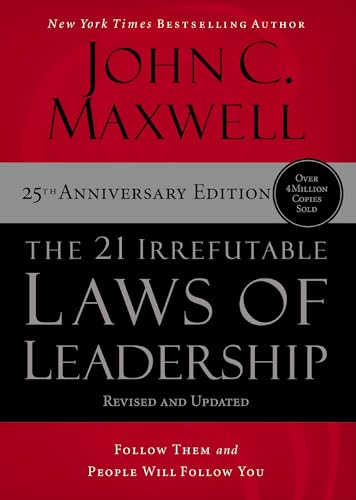
by John C. Maxwell
Maxwell distills more than three decades of leadership experience into twenty-one foundational laws, each supported by real-world stories from business, politics, sports, and the military. The 25th anniversary edition updates the original framework with fresh examples and insights, including lessons from the COVID-19 pandemic era.
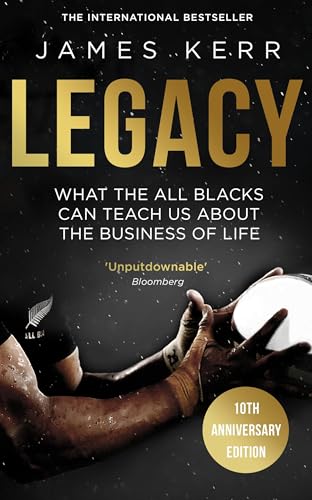
by James Kerr
James Kerr goes inside the New Zealand All Blacks - the most successful sporting team in history with a 77% winning record over more than a century - to extract 15 powerful lessons in leadership, culture, and sustained excellence. Through concepts like 'Sweep the Sheds' (leaders do the menial work) and 'No Dickheads' (character over talent), Kerr reveals how the All Blacks built an organisational culture of humility, purpose, and collective accountability that transcends individual eras and players.
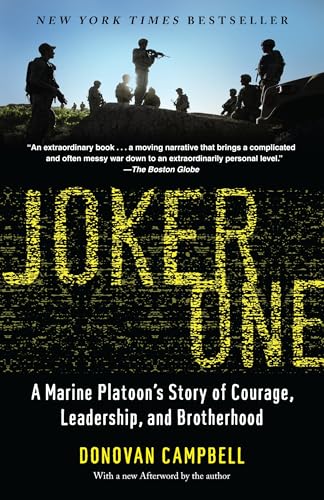
by Donovan Campbell
Campbell recounts his experience leading a Marine infantry platoon through some of the fiercest urban combat of the Iraq War. A raw, unflinching memoir of leadership under fire and the bonds forged in battle.
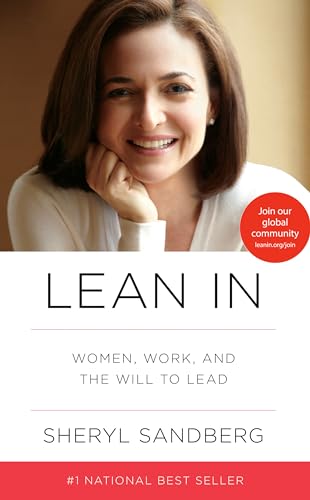
by Sheryl Sandberg
Sandberg argues that women hold themselves back from leadership in ways they often don't realise. She combines personal stories, research, and practical advice for navigating a workplace still shaped by gendered expectations.
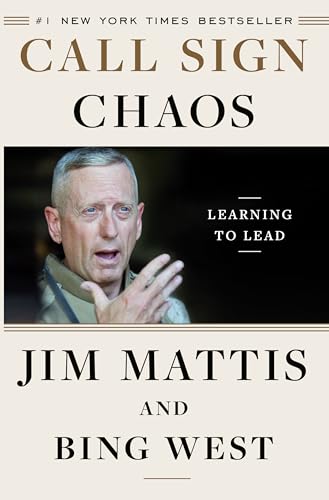
by Jim Mattis
Mattis distils four decades of military leadership into lessons on reading history, building trust, and delegating authority. Includes his famous insistence on blocking out an hour a day for reading, even in combat.

by Brene Brown
Brown draws on twelve years of research to argue that vulnerability is the birthplace of courage, creativity, and connection. The book that sparked her shift from academic researcher to mainstream leadership voice.
by Amy Edmondson
Edmondson's influential framework for "psychological safety" argues that high-performing teams are built on the shared belief that the team is safe for interpersonal risk-taking. A foundational text in modern management.
by The Arbinger Institute
Arbinger's follow-up to Leadership and Self-Deception argues that a fundamental shift from "inward" to "outward" thinking — from focusing on our own needs to seeing others as people — is the most powerful change a leader can make.
by Hubert Joly
Joly, the former CEO who turned around Best Buy, makes the case for "human magic" leadership: putting people and purpose at the centre of business. A direct rebuke of pure shareholder-value thinking.
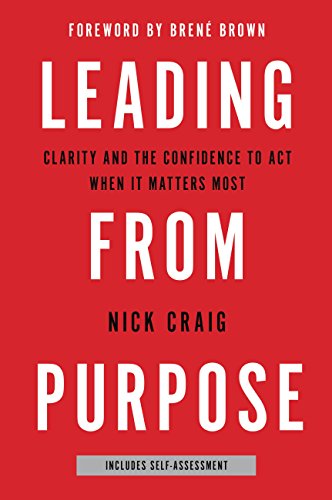
by Nick Craig
Craig argues that purpose is not a discovery exercise — it's already inside you, waiting to be uncovered. The book provides a structured process for finding the experiences that shaped your "purpose statement".