Duckworth explores how deliberate practice and persistent habits shape expertise. She draws on Duhigg's research into keystone habits to show how small behavioural changes cascade into transformative outcomes.
Goal
How do I get genuinely good at something, faster?
Books on skill acquisition, expertise, and accelerated learning that show up in other authors’ notes.
The conversation
15 passagesThe exact passages where one book references another on this topic. These are the connections, not our commentary.

Colvin references Dweck: believing in innate talent prevents deliberate practice.
Young repeatedly cites Newport's Deep Work as the attentional foundation ultralearning requires, treating Newport's concentration arguments as prerequisites for intense skill acquisition
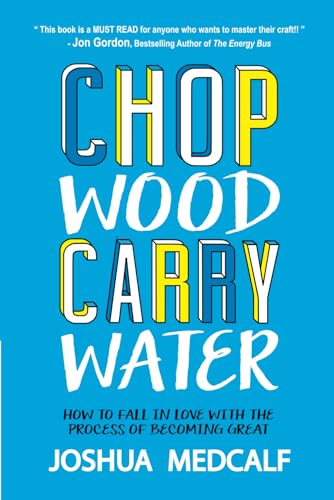
Medcalf's parable about the grueling daily discipline of becoming a samurai archer powerfully illustrates Colvin's thesis that deliberate, purposeful practice - not innate talent - is what produces mastery over time
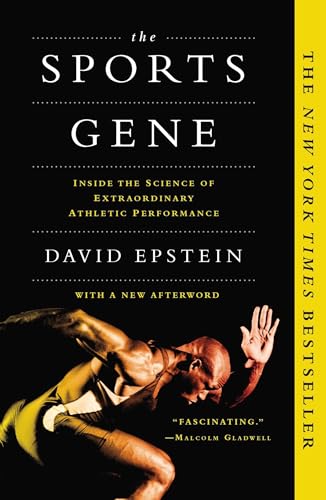
Epstein directly engages with Gladwell's 10,000-hour rule from Outliers, presenting scientific evidence that complicates the idea that practice hours alone determine expertise, showing that genetic factors create vastly different starting points
Clear references Newport's deep work philosophy to argue that focused, distraction-free practice is essential for building expertise through deliberate repetition.

Duckworth draws a careful distinction between deliberate practice and flow. She argues that while Csikszentmihalyi's flow feels effortless, the gritty work of improvement is often uncomfortable and requires pushing beyond your current abilities.
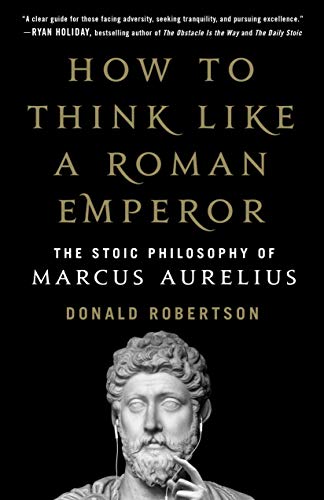
References Goleman's Emotional Intelligence research when explaining how Stoic practices develop emotional regulation skills
Duckworth references Kahneman on cognitive biases and deliberate practice.
Ericsson directly challenges Csikszentmihalyi's flow, arguing deliberate practice is uncomfortable.
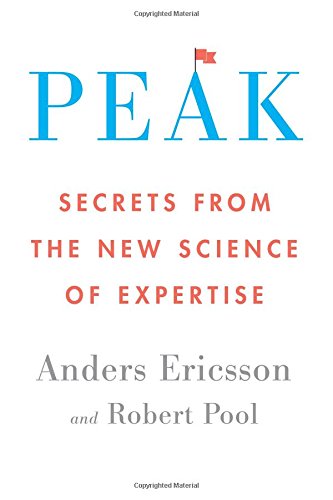
Ericsson references Dweck's growth mindset as precondition for deliberate practice.
Colvin draws on Csikszentmihalyi's flow while arguing deliberate practice is primary.
Engages with Gladwell's Outliers account of expertise and the 10,000-hour rule when deflating the illusion of potential
Engages with Gladwell's Outliers on expertise and the 10,000-hour rule when arguing that stored knowledge still matters in the information age
Engages with Ferriss's 4-Hour Workweek approach to accelerated skill acquisition and lifestyle design, particularly around language learning tactics

Books in this conversation
12Books that appear most often in citations on this topic, or that other authors reference when writing about it.

Mindset
by Carol Dweck
Referenced in 17 citations on this topic

The Lean Startup
by Eric Ries
Referenced in 14 citations on this topic
Emotional Intelligence
by Daniel Goleman
Referenced in 13 citations on this topic
Flow
by Mihaly Csikszentmihalyi
Referenced in 12 citations on this topic

Outliers
by Malcolm Gladwell
Referenced in 10 citations on this topic

Drive
by Daniel Pink
Referenced in 11 citations on this topic

Deep Work
by Cal Newport
Referenced in 7 citations on this topic
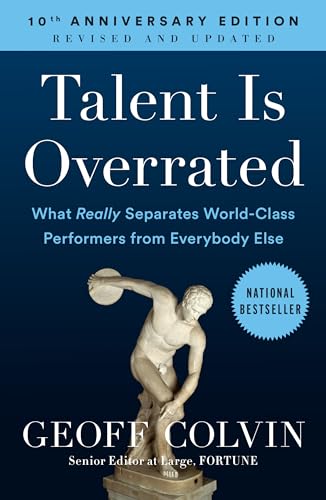
Talent Is Overrated
by Geoff Colvin
Referenced in 6 citations on this topic

Ultralearning: Master Hard Skills, Outsmart the Competition, and Accelerate Your Career
by Scott H. Young
Referenced in 5 citations on this topic
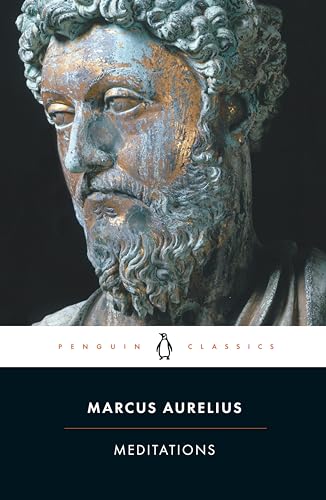
Meditations
by Marcus Aurelius
Referenced in 5 citations on this topic
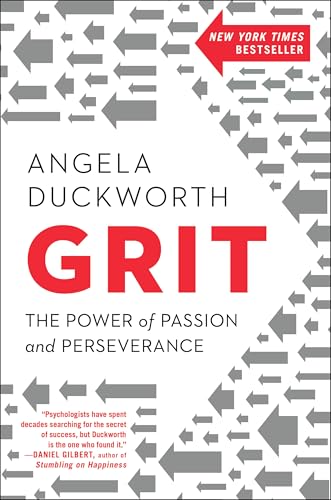
Grit
by Angela Duckworth
Referenced in 4 citations on this topic

Thinking, Fast and Slow
by Daniel Kahneman
Referenced in 5 citations on this topic