Philosophy

90 books in this category

Start here

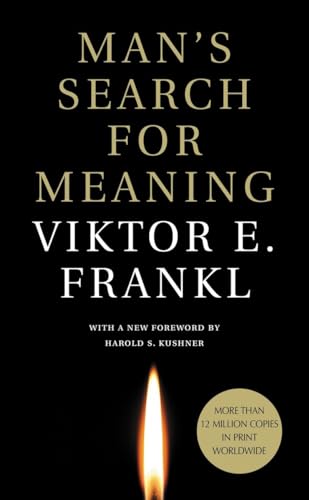
Man's Search for Meaning

Man's Search for Meaning

by Viktor Frankl

Cited by 43 other books and connected to 14 more in Philosophy. If you read one book in this category first, the citation network says make it this one.

Foundational Books in Philosophy

Ranked by how often they are cited by other books in the collection. These are the titles later authors keep returning to — read one and you will recognise its fingerprints across the rest of the category.

  1. Man's Search for Meaning1

    Man's Search for Meaning

    by Viktor Frankl

    Cited by 43
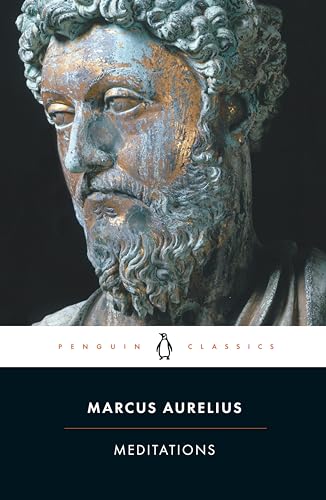
  2. Meditations2

    Meditations

    by Marcus Aurelius

    Cited by 23
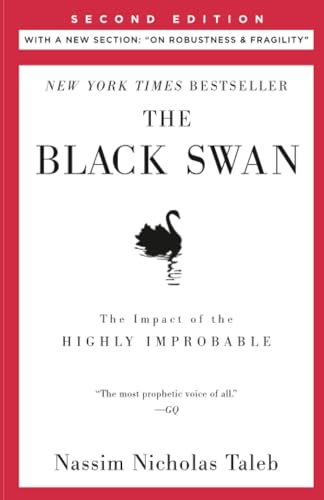
  3. The Black Swan3

    The Black Swan

    by Nassim Nicholas Taleb

    Cited by 19
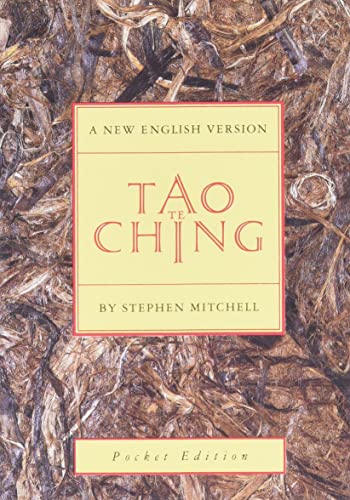
  4. The Tao Te Ching4

    The Tao Te Ching

    by Lao Tzu

    Cited by 15
  5. The Lessons of History5

    The Lessons of History

    by Will Durant

    Cited by 15
  6. Letters from a Stoic6

    Letters from a Stoic

    by Seneca

    Cited by 12

More books in Philosophy

The Art of War by Sun Tzu

The Art of War

by Sun Tzu

star4.3

Sun Tzu's ancient treatise frames strategy as the art of winning without fighting when possible. The deepest victories come from superior positioning, deception, and understanding your opponent's weaknesses before engageing.

philosophyhistory
The Righteous Mind by Jonathan Haidt

The Righteous Mind

by Jonathan Haidt

star4.2

Haidt argues that moral judgements are driven by intuition, not reason. We are fundamentally groupish, and understanding our innate moral foundations explains why good people disagree politically.

psychologyphilosophy
Nicomachean Ethics by Aristotle

Nicomachean Ethics

by Aristotle

star4

Aristotle argues that the good life is not about pleasure or wealth but about cultivating virtue through habit and practice. The foundational text of Western ethics.

philosophy
Beyond Good and Evil by Friedrich Nietzsche

Beyond Good and Evil

by Friedrich Nietzsche

star4

Nietzsche attacks conventional morality as a system built by the weak to restrain the strong. He demands that philosophers create new values rather than accept inherited ones.

philosophy
The Republic by Plato

The Republic

by Plato

star3.9

Plato's foundational dialogue asks what justice truly means, arguing that a well-ordered society mirrors a well-ordered soul. Still the starting point for political philosophy.

philosophy
The Structure of Scientific Revolutions by Thomas Kuhn

The Structure of Scientific Revolutions

by Thomas Kuhn

star4

Kuhn argues that science doesn't progress through steady accumulation but through paradigm shifts - revolutionary breaks where the entire framework changes. Normal science solves puzzles until anomalies trigger a crisis.

sciencephilosophy
The Denial of Death by Ernest Becker

The Denial of Death

by Ernest Becker

star4.2

Becker argues that the terror of death drives much of human behaviour, from heroism to war. Culture, religion, and self-esteem are elaborate defences against the awareness of our mortality.

philosophypsychology
Superintelligence by Nick Bostrom

Superintelligence

by Nick Bostrom

star3.9

Bostrom warns that once artificial intelligence surpasses human cognition, controlling it becomes nearly impossible. The real danger isn't malice but misaligned goals pursued with superhuman competence.

technologyphilosophy
The Obstacle Is the Way by Ryan Holiday

The Obstacle Is the Way

by Ryan Holiday

star4.3

Holiday revives ancient Stoic philosophy as a practical framework for turning adversity into advantage. Every obstacle contains a hidden opportunity, the discipline is in perception, action, and will.

philosophyself-help
Antifragile by Nassim Nicholas Taleb

Antifragile

by Nassim Nicholas Taleb

star4.3

Taleb argues that some systems don't just resist shocks - they actually grow stronger from disorder. The goal isn't resilience or robustness but antifragility: designing your life and institutions to benefit from volatility.

philosophybusiness
The Power of Now by Eckhart Tolle

The Power of Now

by Eckhart Tolle

star4.1

Tolle argues that nearly all human suffering comes from identification with the thinking mind. Presence in the current moment dissolves anxiety about the future and regret about the past.

philosophyself-help
Waking Up by Sam Harris

Waking Up

by Sam Harris

star4

Harris argues you can explore spirituality and consciousness without religion or superstition. Through meditation and neuroscience, he maps a rational path to transcending the illusion of the self.

philosophyscience
Poor Charlie's Almanack by Charlie Munger

Poor Charlie's Almanack

by Charlie Munger

star4.5

Munger presents mental models from multiple disciplines, psychology, economics, physics, as tools for better decisions. Real-world problems demand multidisciplinary thinking, not narrow expertise.

businessphilosophy
Existentialism Is a Humanism by Jean-Paul Sartre

Existentialism Is a Humanism

by Jean-Paul Sartre

star3.9

Sartre's landmark lecture argues existence precedes essence - we are condemned to be free, with no fixed human nature to fall back on. A concise entry point to existentialism.

philosophy
The Daily Stoic by Ryan Holiday

The Daily Stoic

by Ryan Holiday

star4.4

Holiday distills 366 daily meditations drawn from Marcus Aurelius, Seneca, and Epictetus. Each entry translates ancient Stoic wisdom into actionable guidance for modern challenges in work and life.

philosophyself-help
Ego Is the Enemy by Ryan Holiday

Ego Is the Enemy

by Ryan Holiday

star4.3

Holiday argues that ego, the need to be recognised, to be right, to be important, is the invisible enemy that undermines learning, collaboration, and lasting success.

philosophyself-help
The Myth of Sisyphus by Albert Camus

The Myth of Sisyphus

by Albert Camus

star4.1

Camus confronts the fundamental question: if life is absurd, why not end it? His answer, to revolt, to create, to live fully without false hope, defines absurdism.

philosophy
The Consolations of Philosophy by Alain de Botton

The Consolations of Philosophy

by Alain de Botton

star3.9

De Botton revisits six philosophers to show that ancient wisdom speaks directly to modern anxieties. Socrates, Epicurus, and Seneca offer practical remedies for frustration, poverty, and heartbreak.

philosophy
The Precipice by Toby Ord

The Precipice

by Toby Ord

star4.5

Ord argues that humanity has entered an unprecedented period of existential risk, estimating a roughly one-in-six chance of civilizational catastrophe this century driven chiefly by engineered pandemics and unaligned AI. He builds an ethical case, rooted in longtermist philosophy, that safeguarding humanity's long-term potential is the defining moral task of our era.

philosophyhistory
The Essays by Michel de Montaigne

The Essays

by Michel de Montaigne

star4.3

Montaigne invented the essay form in the 1580s by using himself as his subject matter. His wide-ranging, self-questioning meditations on fear, idleness, cruelty, friendship, and experience remain startlingly modern.

philosophy
Justice by Michael Sandel

Justice

by Michael Sandel

star4.1

Sandel dismantles the idea that justice is simply about maximising welfare or respecting freedom. Through real dilemmas, he argues we cannot avoid moral judgement in public life.

philosophy
Four Thousand Weeks by Oliver Burkeman

Four Thousand Weeks

by Oliver Burkeman

star4.1

Burkeman argues that four thousand weeks is all you get, so productivity hacks are a trap. The real challenge is accepting your finitude and choosing what to deliberately neglect.

self-helpphilosophy
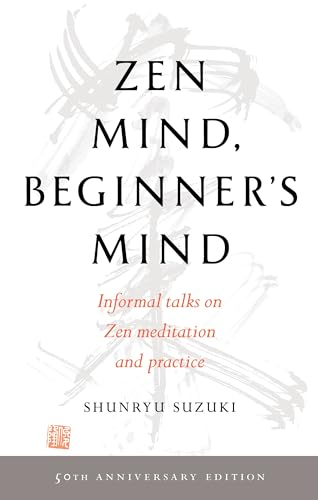
Zen Mind, Beginner's Mind: Informal Talks on Zen Meditation and Practice by Shunryu Suzuki

Zen Mind, Beginner's Mind: Informal Talks on Zen Meditation and Practice

by Shunryu Suzuki

star4.7

Edited from talks Suzuki gave at his Los Altos zendo, this classic presents Soto Zen practice through the lens of 'beginner's mind,' the open, receptive attitude that sees each moment fresh. Suzuki teaches zazen, posture, breathing, and the everyday attitudes that make practice continuous with ordinary life.

philosophybuddhism
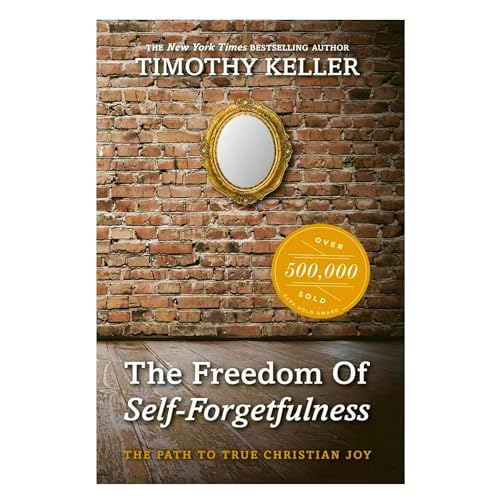
The Freedom of Self-Forgetfulness by Timothy Keller

The Freedom of Self-Forgetfulness

by Timothy Keller

star4.7

Keller argues that true freedom from self-criticism comes not from thinking more highly of yourself but from thinking of yourself less. Drawing on 1 Corinthians 4, he offers a strikingly counter-cultural take on identity and worth in just 48 pages.

philosophyself-help
Courage Is Calling: Fortune Favors the Brave by Ryan Holiday

Courage Is Calling: Fortune Favors the Brave

by Ryan Holiday

star4.6

The first volume of Holiday's Stoic Virtues series argues that courage is the foundational cardinal virtue on which all others depend. Drawing on Marcus Aurelius, Seneca, and Epictetus alongside historical exemplars from Florence Nightingale to Frank Serpico, Holiday reframes courage as a daily practice of facing fear, standing on principle, and acting despite uncertainty.

philosophystoicism
The Way of Zen by Alan Watts

The Way of Zen

by Alan Watts

star4.6

Watts traces Zen Buddhism's emergence from the synthesis of Indian Mahayana Buddhism with Chinese Taoism, then examines its distinctive principles and practice in Japanese culture. Drawing extensively on D. T. Suzuki's scholarship while working to surpass it, Watts presents Zen as a direct pointing to the non-dualistic nature of mind.

philosophybuddhism
Mere Christianity by C. S. Lewis

Mere Christianity

by C. S. Lewis

star4.5

Lewis argues for the rational foundations of Christian belief in a series of wartime BBC broadcasts. Less a theology text than a clear-eyed meditation on the meaning of life and what it means to be good.

philosophy
The Strange Order of Things: Life, Feeling, and the Making of Cultures by Antonio Damasio

The Strange Order of Things: Life, Feeling, and the Making of Cultures

by Antonio Damasio

star4.4

Damasio extends his life's work on the biology of emotion to argue that feelings, not reason, are the foundation of culture itself. From the simplest organisms to the highest art, homeostasis drives everything.

sciencephilosophy
How to Think Like a Roman Emperor by Donald Robertson

How to Think Like a Roman Emperor

by Donald Robertson

star4.3

Robertson uses Marcus Aurelius's life to show how Stoic philosophy anticipated modern cognitive behavioural therapy. Ancient techniques for manageing emotions remain remarkably effective.

philosophybiography
Democracy in America by Alexis de Tocqueville

Democracy in America

by Alexis de Tocqueville

star4.3

Tocqueville's 1830s travelogue-turned-political-theory remains the most insightful analysis of American democracy ever written. His warnings about the tyranny of the majority and the rise of "soft despotism" feel prophetic.

philosophyhistory
Slouching Towards Bethlehem by Joan Didion

Slouching Towards Bethlehem

by Joan Didion

star4.3

Didion's 1968 essay collection captures 1960s California with cold clarity. Includes the influential "On Keeping a Notebook," widely regarded as one of the finest essays ever written on why we write things down.

philosophy
The Happiness Hypothesis by Jonathan Haidt

The Happiness Hypothesis

by Jonathan Haidt

star4.2

Haidt argues that ancient wisdom and modern psychology converge on the same truths about human flourishing. Happiness comes from getting the right relationship between yourself, others, and your work.

psychologyphilosophy
The Infinite Game by Simon Sinek

The Infinite Game

by Simon Sinek

star4.2

Sinek contrasts finite games played to win with infinite games where the goal is to keep playing. Companies with an infinite mindset build trust and lasting purpose over short-term victories.

businessphilosophy
A Return to Love by Marianne Williamson

A Return to Love

by Marianne Williamson

star4.2

Williamson offers a spiritual perspective on love, work, and relationships based on the principles of A Course in Miracles. Her famous passage on "playing small" has been widely quoted by leaders and authors worldwide.

self-helpphilosophy
Invisible Man by Ralph Ellison

Invisible Man

by Ralph Ellison

star4.2

Ellison's 1952 novel follows an unnamed Black narrator through a series of disillusionments as he discovers that being invisible in America is not a metaphor but a lived condition. Won the National Book Award.

philosophy
The Storytelling Animal: How Stories Make Us Human by Jonathan Gottschall

The Storytelling Animal: How Stories Make Us Human

by Jonathan Gottschall

star4.2

Gottschall draws on evolutionary psychology, neuroscience, and literature to argue that humans are fundamentally a storytelling species. Stories are not entertainment — they are how we make sense of ourselves and each other.

psychologyphilosophy
Wherever You Go, There You Are by Jon Kabat-Zinn

Wherever You Go, There You Are

by Jon Kabat-Zinn

star4.1

Kabat-Zinn presents mindfulness not as spiritual practice but as disciplined, non-judgemental attention to the present moment. Awareness itself is the foundation of healing and genuine living.

self-helpphilosophy
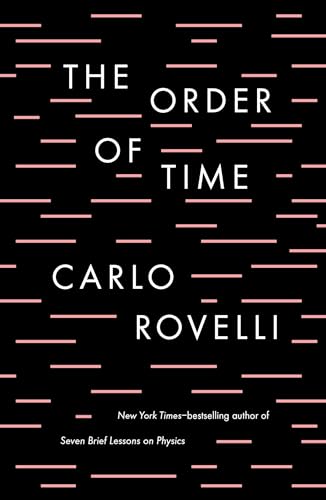
The Order of Time by Carlo Rovelli

The Order of Time

by Carlo Rovelli

star4.1

Rovelli dismantles the intuition that time flows uniformly, showing physics reveals it slows, stops, and may not exist fundamentally. Time is thermodynamic blurring.

philosophyscience
Moral Tribes by Joshua Greene

Moral Tribes

by Joshua Greene

star4.1

Greene proposes our moral brains run on two systems: automatic tribal instincts and manual utilitarian reasoning. Cross-group conflict requires shifting from fast feelings to slow thinking.

philosophypsychology
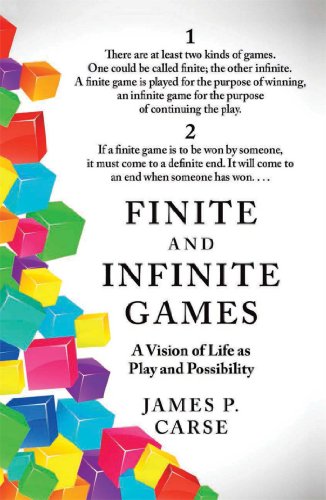
Finite and Infinite Games by James Carse

Finite and Infinite Games

by James Carse

star4

Carse distinguishes two types of games: finite games played to win, and infinite games played to keep playing. The most meaningful aspects of life operate by infinite-game rules.

philosophy
The Tyranny of E-mail: The Four-Thousand-Year Journey to Your Inbox by John Freeman

The Tyranny of E-mail: The Four-Thousand-Year Journey to Your Inbox

by John Freeman

star3.9

Freeman traces written communication from clay tablets to modern email, arguing that the speed and volume of digital messaging has fundamentally changed how we think, listen, and relate to each other.

technologyphilosophy
Present Shock: When Everything Happens Now by Douglas Rushkoff

Present Shock: When Everything Happens Now

by Douglas Rushkoff

star3.9

Rushkoff diagnoses the psychological and social effects of a society addicted to real-time information. Constant presentness, he argues, destroys our ability to think in stories, narratives, and long arcs.

technologyphilosophy
How We Think by John Dewey

How We Think

by John Dewey

star3.8

Dewey analyses the process of reflective thought and its relationship to education. He argues that genuine thinking begins with a state of doubt and proceeds through systematic inquiry to resolution.

philosophypsychology
Being Mortal: Medicine and What Matters in the End by Atul Gawande

Being Mortal: Medicine and What Matters in the End

by Atul Gawande

star4.8

Gawande argues that modern medicine, fixated on survival at all costs, systematically fails people at the end of life by mistaking the medical problem of preventing death for the human problem of preserving meaning and autonomy. He draws on hospice care, assisted-living research, and his own family's experience to argue that doctors must have hard conversations about priorities rather than defaulting to more treatment.

medicinephilosophy
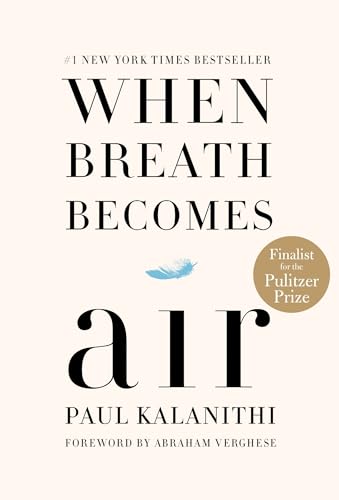
When Breath Becomes Air by Paul Kalanithi

When Breath Becomes Air

by Paul Kalanithi

star4.7

A neurosurgeon diagnosed with terminal cancer reflects on what makes life worth living. Kalanithi's memoir confronts mortality with rare eloquence and intellectual honesty.

historyphilosophy
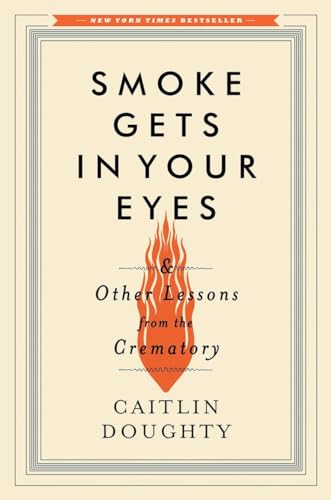
Smoke Gets in Your Eyes: And Other Lessons from the Crematory by Caitlin Doughty

Smoke Gets in Your Eyes: And Other Lessons from the Crematory

by Caitlin Doughty

star4.7

Mortician Caitlin Doughty recounts her years at a San Francisco crematory to argue that the industrialized, sanitized American death-care system alienates us from mortality in ways that damage both the living and the dead. She calls for a revival of hands-on, family-centreed death practices as a form of psychological and cultural repair.

memoirphilosophy
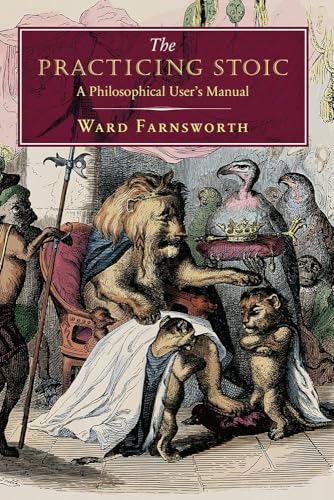
The Practicing Stoic: A Philosophical User's Manual by Ward Farnsworth

The Practicing Stoic: A Philosophical User's Manual

by Ward Farnsworth

star4.7

Farnsworth distills Stoic wisdom into twelve lessons organised thematically around judgement, externals, emotion, adversity, and virtue, drawing chiefly on Epictetus, Seneca, and Marcus Aurelius. He weaves together excerpts from the ancient Stoics with later voices like Montaigne, Adam Smith, and Schopenhauer to present Stoicism as a practical, lived discipline rather than an academic system.

philosophystoicism
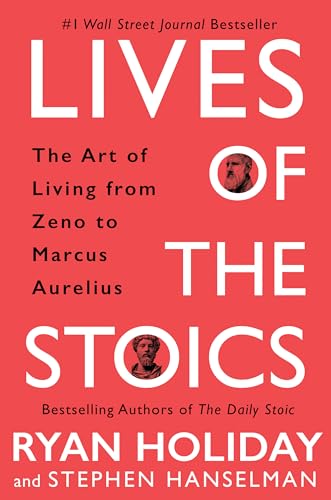
Lives of the Stoics: The Art of Living from Zeno to Marcus Aurelius by Ryan Holiday and Stephen Hanselman

Lives of the Stoics: The Art of Living from Zeno to Marcus Aurelius

by Ryan Holiday and Stephen Hanselman

star4.7

Holiday and Hanselman narrate the lives of twenty-six Stoic philosophers from Zeno of Citium to Marcus Aurelius, showing Stoicism as a lived practice shaped by exile, politics, and empire. The book draws on the primary Stoic texts alongside Diogenes Laertius and modern scholarship to unite its figures around the cardinal virtues of courage, temperance, justice, and wisdom.

philosophystoicism
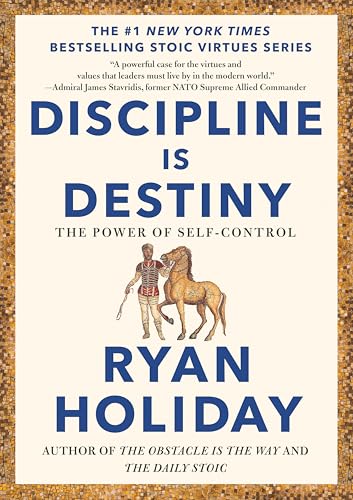
Discipline Is Destiny: The Power of Self-Control by Ryan Holiday

Discipline Is Destiny: The Power of Self-Control

by Ryan Holiday

star4.7

The second book in Holiday's Stoic Virtues series explores temperance as self-mastery, drawing on figures from Marcus Aurelius and Seneca to Queen Elizabeth II and Toni Morrison. Holiday argues that self-discipline is the virtue on which freedom and excellence rest, offering fifty-four short chapters on habits of body, mind, and spirit.

philosophystoicism
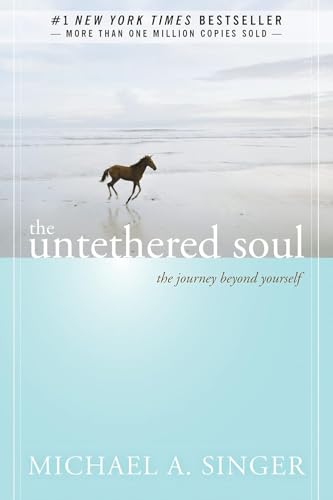
The Untethered Soul: The Journey Beyond Yourself by Michael A. Singer

The Untethered Soul: The Journey Beyond Yourself

by Michael A. Singer

star4.7

Singer guides readers to recognise the inner voice as separate from the witnessing self, arguing that liberation comes from releasing stored emotional energy and ceasing to defend a constructed identity. Drawing on yoga, meditation, and nondual traditions, he presents consciousness as an open space in which thoughts and feelings arise without needing to be controlled.

philosophyspirituality
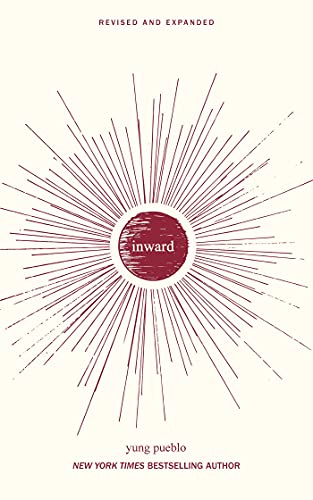
Inward by Yung Pueblo

Inward

by Yung Pueblo

star4.7

Diego Perez writing as Yung Pueblo offers a collection of poetry, prose and aphorisms on healing, self-love and personal transformation. The first book in his trilogy on inner work.

philosophy
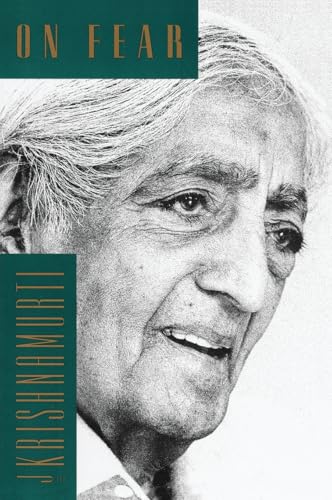
On Fear by J. Krishnamurti

On Fear

by J. Krishnamurti

star4.6

A collection of Krishnamurti's talks and dialogues on the nature of fear. He argues fear is not something to be conquered but something to be understood through direct, choiceless awareness.

philosophyspirituality
The Almanack of Naval Ravikant by Eric Jorgenson

The Almanack of Naval Ravikant

by Eric Jorgenson

star4.5

Jorgenson curates Naval Ravikant's insights on building wealth through leverage and specific knowledge, and finding happiness through subtraction. Wealth is a learnable skill, not a zero-sum game.

self-helpphilosophy
Enlightenment Now by Steven Pinker

Enlightenment Now

by Steven Pinker

star4.5

Pinker marshals 75 graphs showing long-term gains in health, wealth, safety, peace, knowledge, and happiness to argue that Enlightenment commitments to reason, science, and humanism have delivered measurable progress. He contends that cognitive biases like the availability heuristic and negativity bias make us systematically underestimate how much better the world has become.

historyphilosophy
The Second Mountain: The Quest for a Moral Life by David Brooks

The Second Mountain: The Quest for a Moral Life

by David Brooks

star4.5

Brooks argues that modern life trains us to climb the first mountain of individual achievement but leaves us hollow, and that fulfilment comes from the second mountain of commitment to a spouse, vocation, faith, and community. He marshals moral philosophy, psychology, and profiles of exemplary lives to distinguish self-centreed happiness from other-centreed joy.

philosophypsychology
The Ethics of Ambiguity by Simone de Beauvoir

The Ethics of Ambiguity

by Simone de Beauvoir

star4.5

Beauvoir responds to critics who charged existentialism with moral nihilism by constructing an ethics grounded in human freedom and its inherent ambiguity. She argues that because we are both subject and object, both free and situated, genuine ethical action requires willing the freedom of others alongside our own.

philosophyexistentialism
The Rebel: An Essay on Man in Revolt by Albert Camus

The Rebel: An Essay on Man in Revolt

by Albert Camus

star4.5

Camus traces the history of metaphysical and political rebellion from Prometheus through Sade, Dostoevsky, Nietzsche, and the revolutions of the twentieth century, showing how the rebel's legitimate 'no' repeatedly curdles into tyranny. He proposes a measured rebellion that honors human dignity without collapsing into nihilism or absolute ideology.

philosophyexistentialism
Zen and the Art of Motorcycle Maintenance: An Inquiry into Values by Robert M. Pirsig

Zen and the Art of Motorcycle Maintenance: An Inquiry into Values

by Robert M. Pirsig

star4.5

Pirsig frames a cross-country motorcycle trip as an investigation into 'Quality,' the prereflective value he argues underlies both classical reason and romantic appreciation. Weaving autobiography, philosophy of technology, and a reading of Greek thought, Pirsig challenges the subject-object dualism he traces to Aristotle.

philosophymetaphysics
Braiding Sweetgrass: Indigenous Wisdom, Scientific Knowledge and the Teachings of Plants by Robin Wall Kimmerer

Braiding Sweetgrass: Indigenous Wisdom, Scientific Knowledge and the Teachings of Plants

by Robin Wall Kimmerer

star4.5

Botanist and Potawatomi elder Kimmerer weaves together indigenous wisdom and scientific knowledge to illuminate a path toward a more reciprocal relationship with the living world. Through lyrical essays on sweetgrass, maple syrup, and strawberries, she argues that plants and humans share gifts in a relationship of mutual flourishing.

sciencenature
Stillness Is the Key by Ryan Holiday

Stillness Is the Key

by Ryan Holiday

star4.4

Holiday argues that stillness - the ability to be steady, focused, and present - is the secret weapon behind history's greatest leaders and thinkers. In a world of noise, clarity comes from cultivating inner calm.

philosophyself-help
The Demon-Haunted World by Carl Sagan

The Demon-Haunted World

by Carl Sagan

star4.4

Sagan makes a passionate case for scientific literacy as our best defense against pseudoscience and manipulation. His 'baloney detection kit' is a toolkit for critical thinking.

sciencephilosophy
Art as Therapy by Alain de Botton and John Armstrong

Art as Therapy

by Alain de Botton and John Armstrong

star4.4

De Botton and Armstrong argue that art's primary purpose is therapeutic — it helps us with our deepest emotional needs. The book reframes museum visits and artworks as instruments of self-knowledge rather than objects of cultural duty.

philosophy
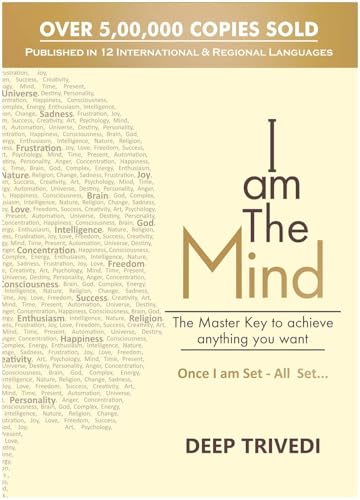
I Am Mind by Deep Trivedi

I Am Mind

by Deep Trivedi

star4.4

Trivedi argues that the mind is not the brain but a separate force shaping our thoughts and behaviour. He draws on Eastern philosophy and his own framework of "psychospirituality" to explore how to gain conscious control of the mind.

philosophypsychology
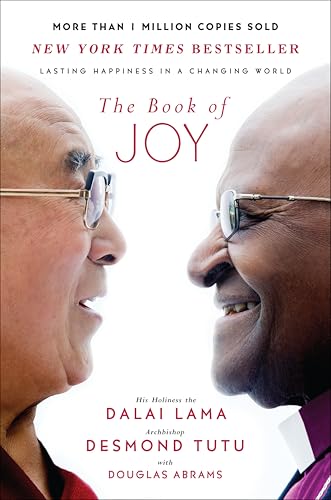
The Book of Joy by Dalai Lama

The Book of Joy

by Dalai Lama

star4.3

The Dalai Lama and Desmond Tutu share how they find joy despite immense suffering. True joy, they argue, comes not from avoiding pain but from compassion, humour, and generosity toward others.

philosophyself-help
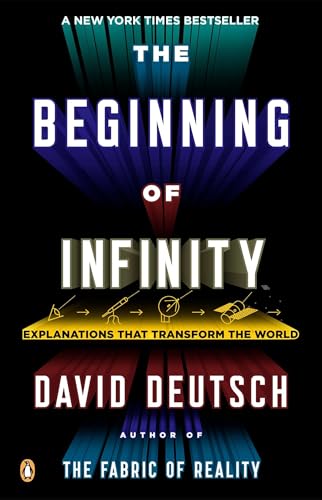
The Beginning of Infinity by David Deutsch

The Beginning of Infinity

by David Deutsch

star4.3

Deutsch argues all progress stems from good explanations, conjectures hard to vary while still accounting for what we observe. Problems are inevitable but always soluble.

philosophyscience
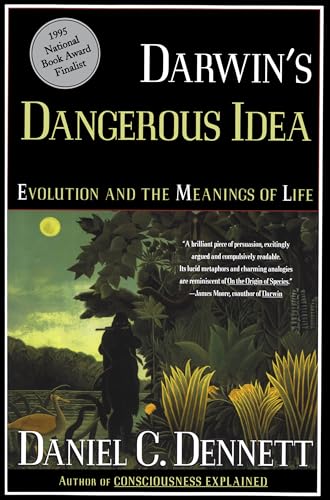
Darwin's Dangerous Idea: Evolution and the Meanings of Life by Daniel Dennett

Darwin's Dangerous Idea: Evolution and the Meanings of Life

by Daniel Dennett

star4.3

Dennett calls natural selection a 'universal acid' - a mindless algorithmic process that eats through every traditional concept of design, purpose, and meaning and remakes them on naturalistic foundations. He defends adaptationism against Gould and Lewontin's critics and extends Darwinian thinking to culture, ethics, and the origin of mind through what he calls 'cranes, not skyhooks.'

sciencephilosophy
Helgoland: Making Sense of the Quantum Revolution by Carlo Rovelli

Helgoland: Making Sense of the Quantum Revolution

by Carlo Rovelli

star4.3

Rovelli returns to the windswept island where a 23-year-old Heisenberg invented matrix mechanics in 1925 and uses that scene to defend the relational interpretation of quantum mechanics. He links quantum physics to the Indian philosopher Nagarjuna's doctrine of emptiness to argue that objects exist only in their interactions.

sciencephysics
Wisdom Takes Work by Ryan Holiday

Wisdom Takes Work

by Ryan Holiday

star4.3

The fourth and final book in Holiday's Stoic Virtues series explores wisdom as a lifelong practice, not a destination. Drawing on Montaigne, Emerson, Marcus Aurelius, and Seneca, Holiday argues that wisdom is earned through study, humility, and relentless self-examination.

philosophyself-help
The Good Quit: Mastering the Fine Art of Giving Up by Jeffrey A. Lockwood

The Good Quit: Mastering the Fine Art of Giving Up

by Jeffrey A. Lockwood

star4.3

University of Wyoming professor Jeffrey Lockwood argues that quitting is an underappreciated skill — knowing when and how to walk away from relationships, careers, beliefs and addictions is essential to a well-lived life.

philosophypsychology
A Guide to the Good Life by William Irvine

A Guide to the Good Life

by William Irvine

star4.2

Irvine revives Stoicism as a practical guide to tranquility, built on negative visualization and the dichotomy of control. Want what you already have and anxiety loses its grip.

philosophyself-help
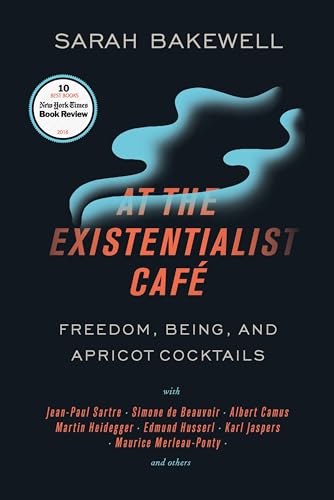
At the Existentialist Cafe by Sarah Bakewell

At the Existentialist Cafe

by Sarah Bakewell

star4.2

Bakewell tells existentialism's story through Sartre, de Beauvoir, Heidegger, and Camus - inseparable from the cafes, friendships, and political crises that shaped it.

philosophyhistory
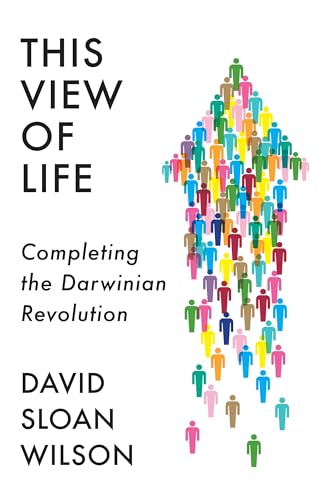
This View of Life by David Sloan Wilson

This View of Life

by David Sloan Wilson

star4.2

Wilson argues that Darwinian evolution has only been half-completed: applied systematically to biology but still resisted in the study of culture, policy, and everyday life. Drawing on multilevel selection theory, he contends that prosocial behavior is selected at the group level and proposes evolutionary design as a tool for consciously improving schools, cities, and economies.

philosophypsychology
The Four Agreements: A Practical Guide to Personal Freedom by Don Miguel Ruiz

The Four Agreements: A Practical Guide to Personal Freedom

by Don Miguel Ruiz

star4.2

Drawing on ancient Toltec wisdom, Don Miguel Ruiz distills a powerful code of conduct into four deceptively simple agreements: be impeccable with your word, don't take anything personally, don't make assumptions, and always do your best. The book reveals how self-limiting beliefs inherited from society create needless suffering and offers a practical path to personal freedom. It has sold over 15 million copies in the United States alone.

spiritualityself-help
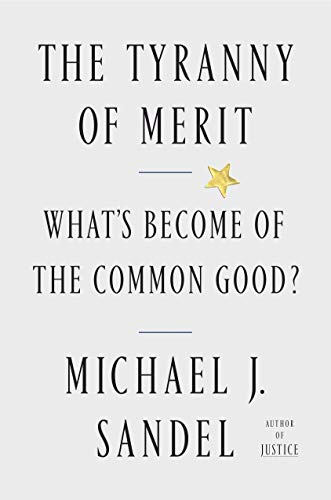
The Tyranny of Merit: What's Become of the Common Good? by Michael J. Sandel

The Tyranny of Merit: What's Become of the Common Good?

by Michael J. Sandel

star4.19

Sandel argues that meritocratic hubris among the successful and humiliation among those left behind have corroded democratic life and fueled populist resentment. Tracing how the rhetoric of 'you deserve your success' poisoned both liberal and conservative politics, he calls for a renewed ethic of humility and a politics that honors the dignity of work.

philosophypolitics
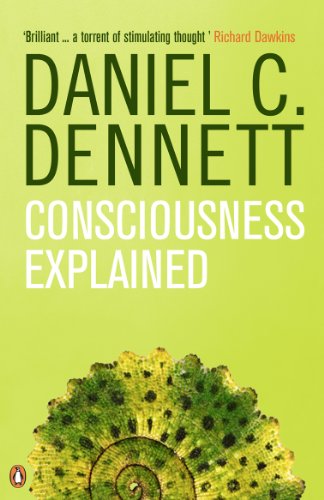
Consciousness Explained by Daniel Dennett

Consciousness Explained

by Daniel Dennett

star4.1

Dennett attacks the 'Cartesian Theater' intuition - the idea that there is a place in the brain where conscious experience is unified for a single observer - and replaces it with his Multiple Drafts model, in which consciousness is a distributed process of parallel content-fixations. He argues that qualia and the unified self are useful illusions generated by the brain's serial virtual machine running on massively parallel hardware.

sciencephilosophy
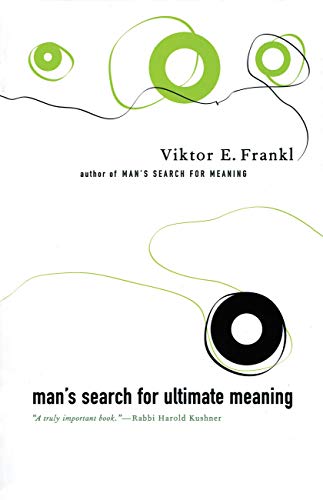
Man's Search for Ultimate Meaning by Viktor Frankl

Man's Search for Ultimate Meaning

by Viktor Frankl

star4

Frankl extends his earlier work to argue that repressed meaning, not repressed sexuality, is the root of modern neurosis. The unconscious, he claims, is fundamentally spiritual.

philosophypsychology
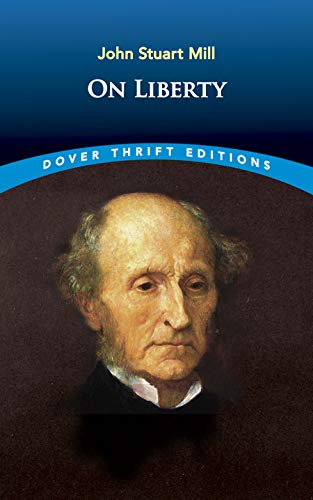
On Liberty by John Stuart Mill

On Liberty

by John Stuart Mill

star4

Mill argues individual liberty should be absolute except where actions directly harm others. Even wrong opinions deserve protection, suppressing them robs society of sharper truth.

philosophy
The Problems of Philosophy by Bertrand Russell

The Problems of Philosophy

by Bertrand Russell

star4

Russell introduces philosophy by asking whether we can truly know anything about the physical world. Philosophy's value lies not in answers but in enlarging what we think is possible.

philosophy
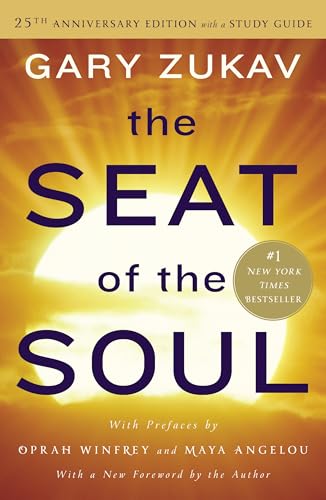
The Seat of the Soul by Gary Zukav

The Seat of the Soul

by Gary Zukav

star4

Gary Zukav argues that humanity is evolving from a species that pursues external power based on the five senses to one that seeks authentic power aligned with the soul. He explores how intentions shape experience, how karma and responsibility intertwine, and how emotional awareness becomes the pathway to spiritual growth. A number-one New York Times bestseller that helped define the modern spiritual self-help genre.

spiritualityconsciousness
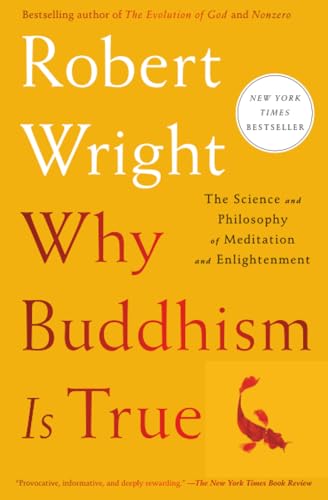
Why Buddhism Is True: The Science and Philosophy of Meditation and Enlightenment by Robert Wright

Why Buddhism Is True: The Science and Philosophy of Meditation and Enlightenment

by Robert Wright

star4

Robert Wright makes the case that core Buddhist insights about the nature of suffering, the self, and perception are validated by modern evolutionary psychology and neuroscience. He argues that natural selection designed human minds to be deluded in specific ways, and that meditation offers a path to seeing through these illusions. The book presents a secular, evidence-based Buddhism stripped of supernatural beliefs yet faithful to its deepest philosophical claims.

philosophybuddhism
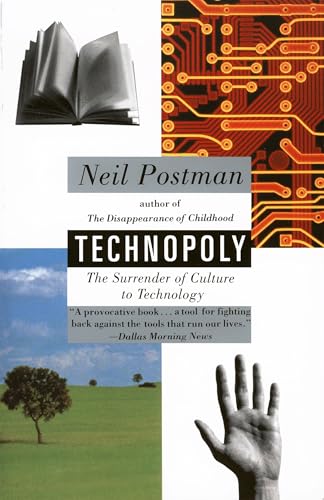
Technopoly: The Surrender of Culture to Technology by Neil Postman

Technopoly: The Surrender of Culture to Technology

by Neil Postman

star3.97

Postman traces how Western civilization evolved from tool-using cultures to technocracies and finally to a 'technopoly' where technology dictates the purpose of life and overwhelms traditional sources of meaning. He argues that uncritical faith in technology has led to information glut, the devaluation of human judgement, and the surrender of culture to technical efficiency.

technologyculture
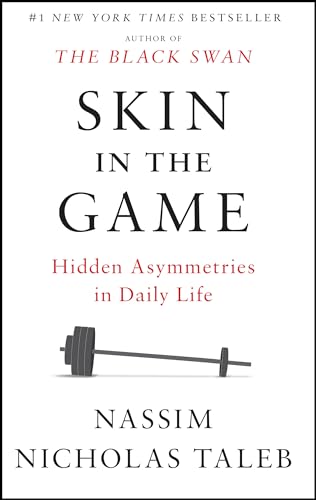
Skin in the Game by Nassim Nicholas Taleb

Skin in the Game

by Nassim Nicholas Taleb

star3.9

Taleb argues that people who don't bear consequences of their decisions create fragility. Real knowledge requires personal risk - without skin in the game, incentives become dangerously misaligned.

philosophybusiness
Status Anxiety by Alain de Botton

Status Anxiety

by Alain de Botton

star3.89

De Botton examines the universal anxiety about one's standing in society, tracing its roots from Rousseau and Marx to modern meritocratic ideals. Drawing on philosophy, art, and literature, he identifies five causes of status anxiety and five consolations, offering a humane guide to living with the relentless pressure of social comparison.

philosophypsychology
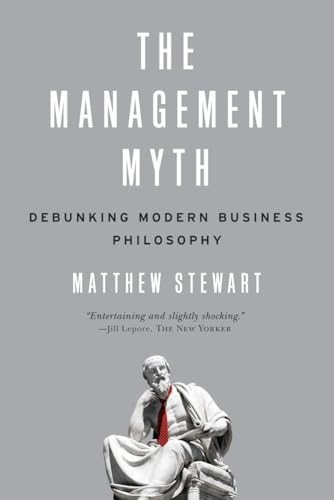
The Management Myth by Matthew Stewart

The Management Myth

by Matthew Stewart

star3.8

Stewart dismantles the idea that management is a rigorous discipline, showing how consulting and MBA programs built an industry on pseudoscience. Management theory is philosophy in scientific dress.
businessphilosophy