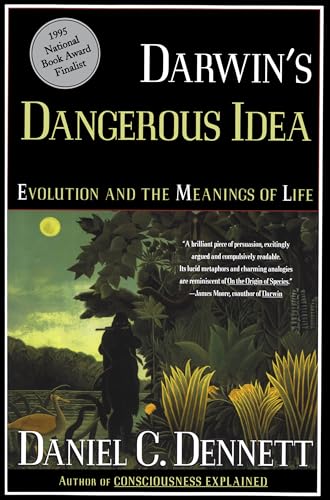
Darwin's Dangerous Idea: Evolution and the Meanings of Life

Darwin's Dangerous Idea: Evolution and the Meanings of Life

by Daniel Dennett

star4.3

Dennett calls natural selection a 'universal acid' - a mindless algorithmic process that eats through every traditional concept of design, purpose, and meaning and remakes them on naturalistic foundations. He defends adaptationism against Gould and Lewontin's critics and extends Darwinian thinking to culture, ethics, and the origin of mind through what he calls 'cranes, not skyhooks.'

Published:
Pages:
586
Buy on Amazon

In the Conversation

In this collection, Darwin's Dangerous Idea: Evolution and the Meanings of Life references 5 other books.

It draws on The Selfish Gene, The Blind Watchmaker and The Origin of Species.

Scroll down to read the exact passages where other authors reference this book and what they say about it.

What This Book Draws On

5

The books Dennett references and why each one mattered to the argument.

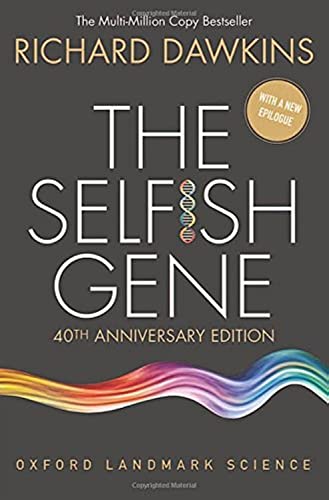
Dennett builds Chapter 12 ('The Cranes of Culture') around Dawkins's meme concept from The Selfish Gene, defending memetics as a legitimate extension of Darwinian algorithms to cultural evolution.

The Selfish Gene

References

The Selfish Gene

by Richard Dawkins

Buy

Dennett repeatedly cites Dawkins's Blind Watchmaker for its cumulative-selection argument, using it to dismantle the 'skyhook' intuitions of Darwin's critics.

The Blind Watchmaker

References

The Blind Watchmaker

by Richard Dawkins

Buy

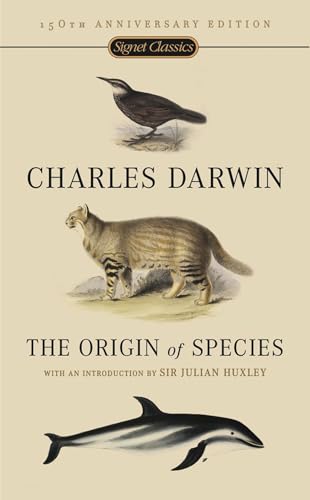
Dennett's entire argument is a defense and extension of Darwin's Origin of Species, treating natural selection as the algorithmic core he generalizes to design, culture, and meaning.

The Origin of Species

References

The Origin of Species

by Charles Darwin

Buy

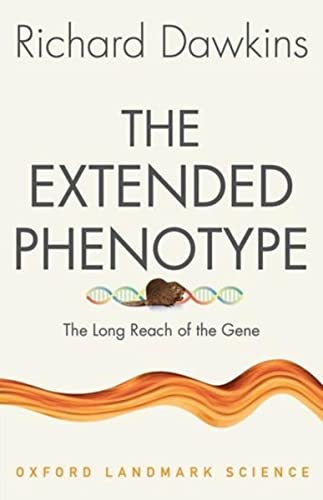
Dennett cites Dawkins's Extended Phenotype when arguing that selection's effects reach beyond the organism - a key premise for his claim that culture is subject to Darwinian algorithms.

The Extended Phenotype

References

The Extended Phenotype

by Richard Dawkins

Buy

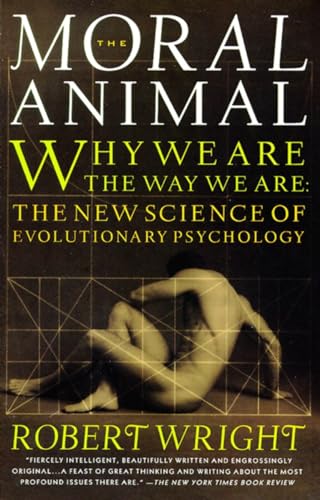
Dennett engages directly with Wright's Moral Animal as a contemporary application of adaptationist thinking to human psychology, a program Dennett defends philosophically.

The Moral Animal

References

The Moral Animal

by Robert Wright

Buy

What Other Authors Say About It

No books citing this title yet.

Intellectual Lineage

How ideas flow through the citation network. Ancestors are books this title builds on; descendants are books that build on it.

Unexpected Connections

Books from completely different categories that share citation overlap with this one. These are the reads you would not find by browsing a single shelf.

If you liked this, try

Books with the highest citation overlap within the same categories.

Citation Network

This book and its direct connections. Hover a node to see its title, click to visit.

Books this book cites
Books that cite this book
Larger dot = more connections
The Selfish GeneThe Origin of Species

Hover a node to highlight its connections. Click to open the book page. Node size reflects total citation links.