Aristotle's Nicomachean Ethics is listed in Flow's references and underpins the book's central argument about happiness. Csikszentmihalyi explicitly revives Aristotle's framing of happiness as eudaimonia — the activity of the soul in accordance with excellence — rather than as pleasure or contentment.
Goal
How do I build more genuine joy into my days?
Books on flow, play, happiness, and well-being that other authors cite when explaining what a good day actually looks like.
The conversation
15 passagesThe exact passages where one book references another on this topic. These are the connections, not our commentary.
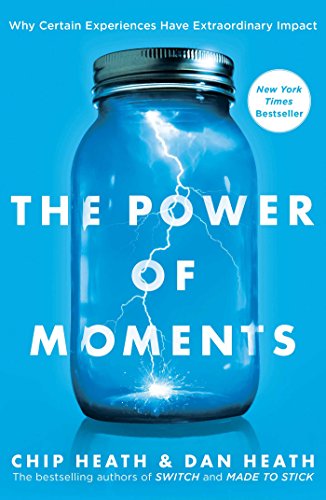
Cites Csikszentmihalyi's flow states when discussing moments of elevation and deep engagement
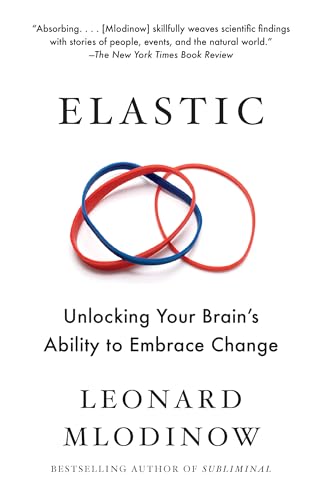
References Csikszentmihalyi's flow states as a mode where elastic thinking operates most effectively
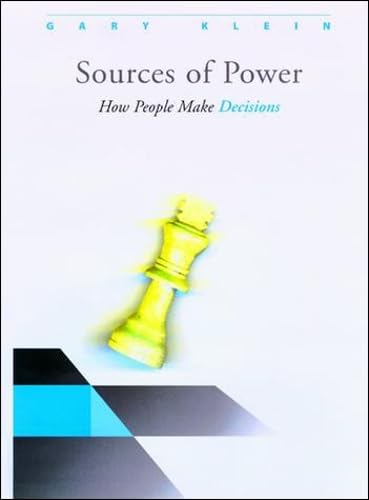
References Csikszentmihalyi's flow states when describing how experienced professionals enter intuitive decision modes under pressure
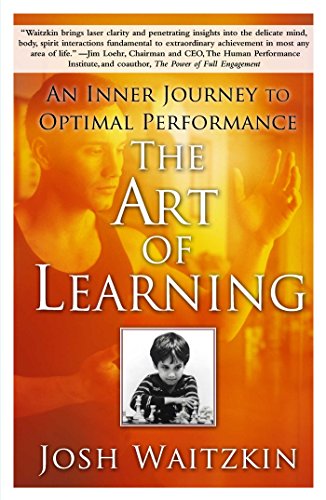
Waitzkin's Soft Zone is directly analogous to Csikszentmihalyi's flow state.
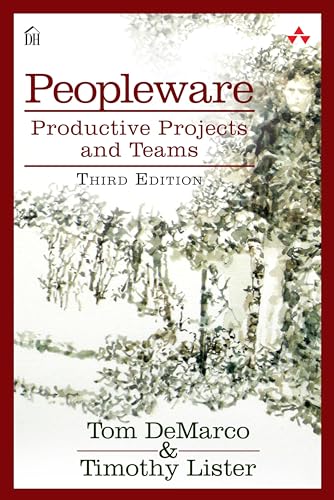
Peopleware 3rd edition (2013) references Csikszentmihalyi's flow states for productive work
Draws on Csikszentmihalyi's Flow to argue that eroticism is a flow state requiring novelty and challenge, not the sameness of companionate love

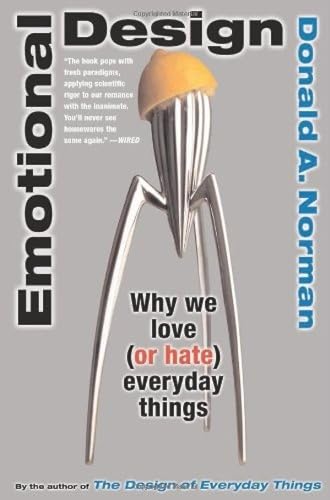
Norman references Csikszentmihalyi's Flow theory to explain how the behavioural level of emotional processing relates to the enjoyment users experience during well-designed interactions
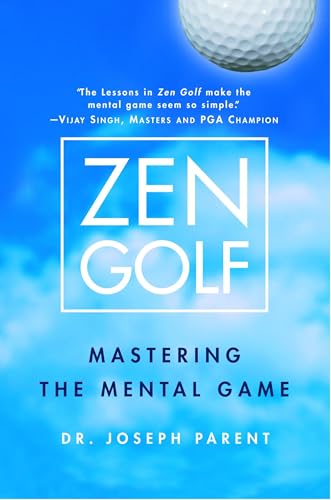
Parent draws directly on Csikszentmihalyi's flow state research, teaching golfers how to enter the zone of optimal experience where self-consciousness dissolves and peak performance emerges naturally
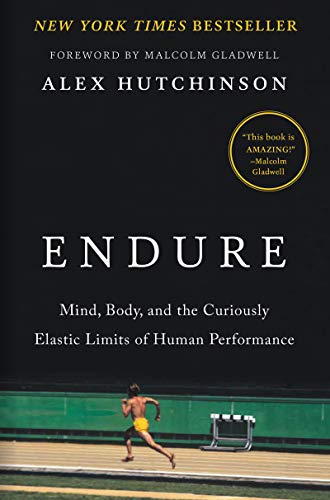
Hutchinson examines how Csikszentmihalyi's flow states allow endurance athletes to transcend perceived physical limits by achieving total absorption that overrides the brain's fatigue signals
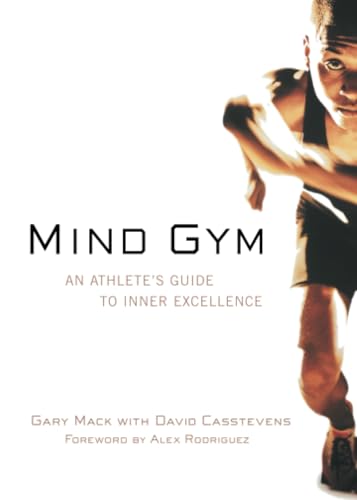
Mack teaches athletes specific techniques for accessing Csikszentmihalyi's flow state during competition, translating the psychology of optimal experience into actionable sports performance strategies
Grover's description of elite athletes entering an instinctive, almost predatory state during crucial moments connects to Csikszentmihalyi's flow state concept taken to its competitive extreme
Kabat-Zinn draws on Csikszentmihalyi's Flow research to explain how mindful absorption in the present moment produces states of deep engagement that reduce stress and enhance well-being.
Csikszentmihalyi draws on Viktor Frankl for his argument that meaning — not pleasure — is the foundation of a life worth living. Frankl's account of finding purpose under the most extreme conditions informs Flow's thesis that optimal experience comes from aligning attention with self-chosen goals.
Newport cites Csikszentmihalyi's Flow research to argue that deep work is not just productive but deeply satisfying. The state of flow that comes from concentrated effort is a key source of meaning in professional life.

Books in this conversation
12Books that appear most often in citations on this topic, or that other authors reference when writing about it.
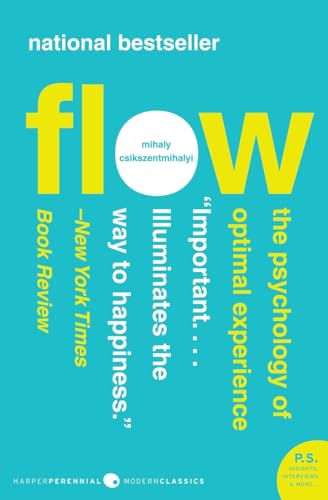
Flow
by Mihaly Csikszentmihalyi
Referenced in 77 citations on this topic
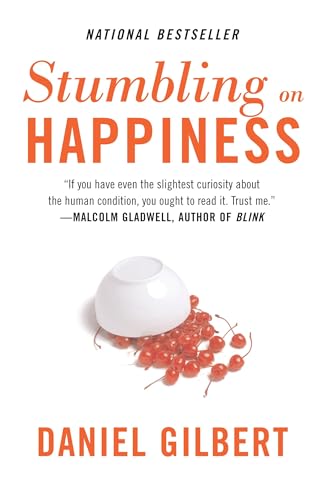
Stumbling on Happiness
by Daniel Gilbert
Referenced in 6 citations on this topic
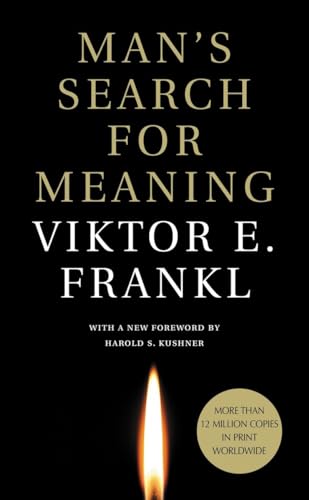
Man's Search for Meaning
by Viktor Frankl
Referenced in 5 citations on this topic

Atomic Habits
by James Clear
Referenced in 4 citations on this topic
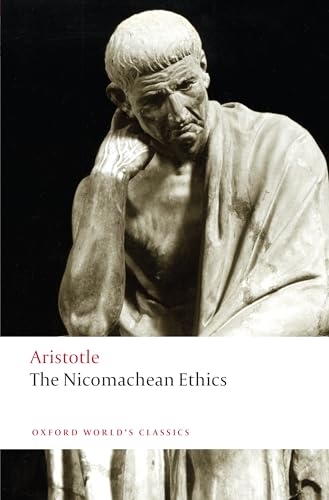
Nicomachean Ethics
by Aristotle
Referenced in 3 citations on this topic
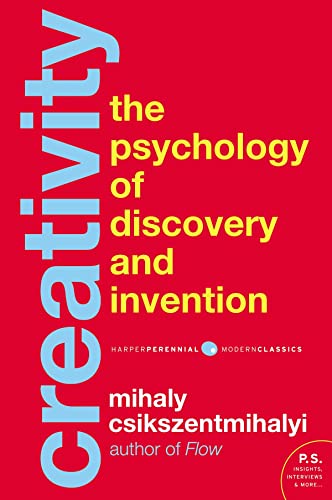
Creativity
by Mihaly Csikszentmihalyi
Referenced in 3 citations on this topic
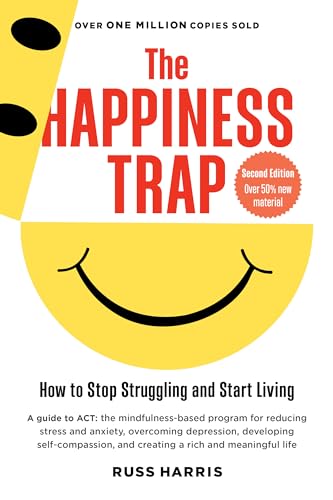
The Happiness Trap: How to Stop Struggling and Start Living
by Russ Harris
Referenced in 2 citations on this topic
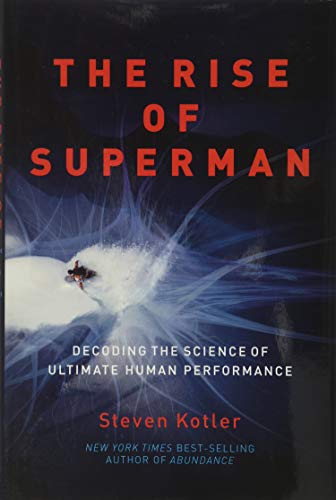
The Rise of Superman
by Steven Kotler
Referenced in 2 citations on this topic
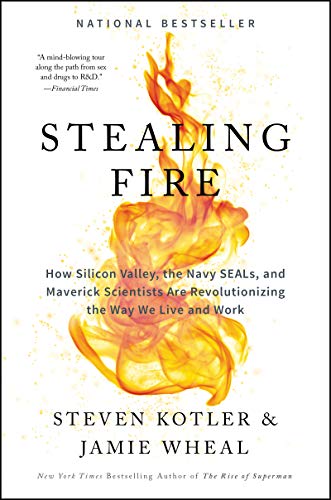
Stealing Fire
by Steven Kotler
Referenced in 2 citations on this topic
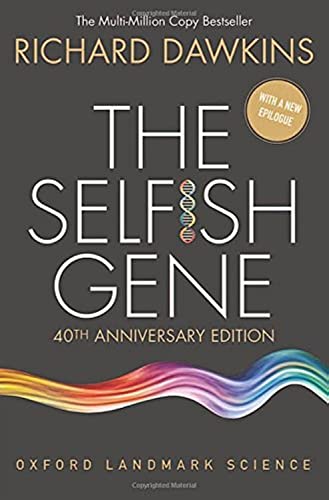
The Selfish Gene
by Richard Dawkins
Referenced in 2 citations on this topic

Big Magic: Creative Living Beyond Fear
by Elizabeth Gilbert
Referenced in 2 citations on this topic

Thinking, Fast and Slow
by Daniel Kahneman
Referenced in 2 citations on this topic