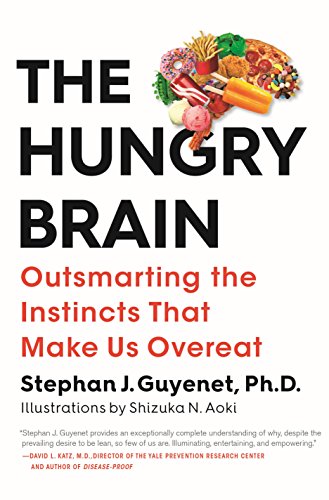
The Hungry Brain: Outsmarting the Instincts That Make Us Overeat

The Hungry Brain: Outsmarting the Instincts That Make Us Overeat

by Stephan Guyenet

star4.4

Guyenet argues that obesity is a brain problem, not a willpower problem, mapping how the lipostat, reward circuitry, and food-cue learning conspire to defend a higher body-fat set point in modern food environments. He integrates neuroscience with evolutionary biology to show why hyperpalatable foods hijack ancient appetite machinery.

Published:
Pages:
304
Buy on Amazon

In the Conversation

In this collection, The Hungry Brain: Outsmarting the Instincts That Make Us Overeat references 4 other books.

It draws on Thinking, Fast and Slow, Behave and Why We Get Sick.

Scroll down to read the exact passages where other authors reference this book and what they say about it.

What This Book Draws On

4

The books Guyenet references and why each one mattered to the argument.

Guyenet leans on Kahneman's dual-system framework to describe how the brain's fast, reward-driven 'lizard' system overrides slower executive control around food

Thinking, Fast and Slow

References

Thinking, Fast and Slow

by Daniel Kahneman

Buy

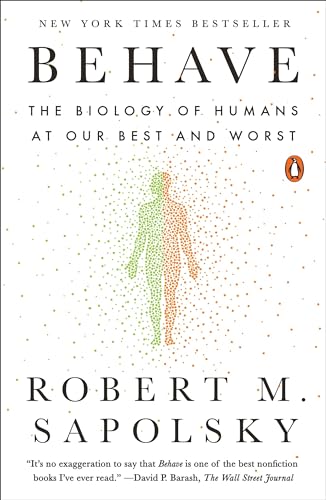
Guyenet cites Sapolsky's neurobiology work on dopamine and reward to explain why food cues trigger compulsive eating in modern environments

Behave

References

Behave

by Robert Sapolsky

Buy

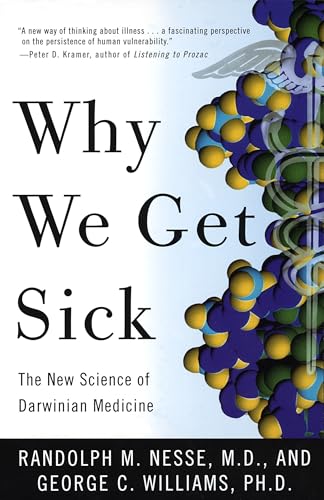
Guyenet builds on Nesse's Darwinian-medicine framing that our appetites evolved for calorie scarcity, making the mismatch with modern food the root of obesity

Why We Get Sick

References

Why We Get Sick

by Randolph M. Nesse

Buy

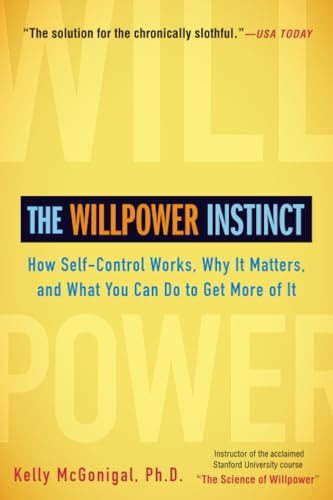
Guyenet draws on McGonigal's willpower research to explain why decision fatigue and stress erode the prefrontal control needed to resist palatable food

The Willpower Instinct

References

The Willpower Instinct

by Kelly McGonigal

Buy

What Other Authors Say About It

No books citing this title yet.

Intellectual Lineage

How ideas flow through the citation network. Ancestors are books this title builds on; descendants are books that build on it.

Unexpected Connections

Books from completely different categories that share citation overlap with this one. These are the reads you would not find by browsing a single shelf.

If you liked this, try

Books with the highest citation overlap within the same categories.

Citation Network

This book and its direct connections. Hover a node to see its title, click to visit.

Books this book cites
Books that cite this book
Larger dot = more connections
Thinking, Fast and Slow

Hover a node to highlight its connections. Click to open the book page. Node size reflects total citation links.