Jonathan Haidt

Jonathan Haidt

Social Psychologist, NYU Professor

Jonathan Haidt is an American social psychologist and the Thomas Cooley Professor of Ethical Leadership at NYU Stern School of Business. He developed Moral Foundations Theory and wrote the bestsellers 'The Happiness Hypothesis,' 'The Righteous Mind,' 'The Coddling of the American Mind,' and 'The Anxious Generation.'

4
Books Written
12
Books Recommended

Books by Jonathan Haidt

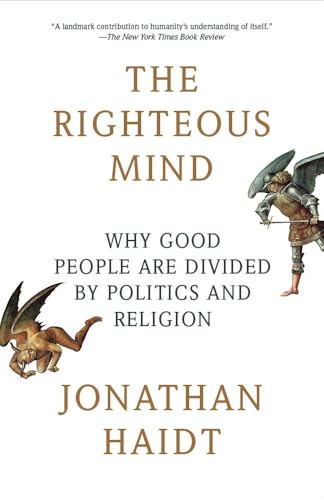
The Righteous Mind by Jonathan Haidt

The Righteous Mind

by Jonathan Haidt

star4.2

Haidt argues that moral judgements are driven by intuition, not reason. We are fundamentally groupish, and understanding our innate moral foundations explains why good people disagree politically.

psychologyphilosophy
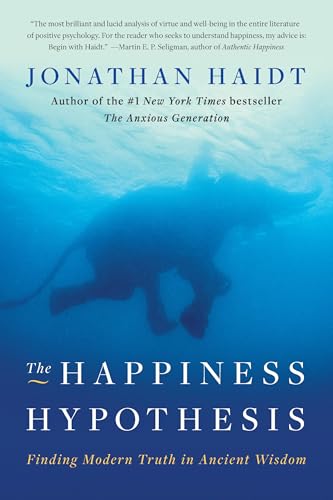
The Happiness Hypothesis by Jonathan Haidt

The Happiness Hypothesis

by Jonathan Haidt

star4.2

Haidt argues that ancient wisdom and modern psychology converge on the same truths about human flourishing. Happiness comes from getting the right relationship between yourself, others, and your work.

psychologyphilosophy
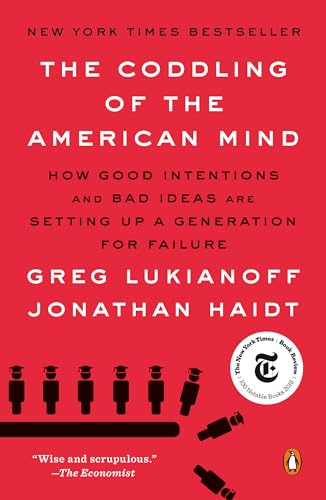
The Coddling of the American Mind by Jonathan Haidt

The Coddling of the American Mind

by Jonathan Haidt

star4.2

Haidt argues overprotective parenting is producing a generation unable to handle adversity. Three 'great untruths' - fragility, emotional reasoning, us-vs-them - are weakening young minds.

psychology
The Anxious Generation: How the Great Rewiring of Childhood Is Causing an Epidemic of Mental Illness by Jonathan Haidt

The Anxious Generation: How the Great Rewiring of Childhood Is Causing an Epidemic of Mental Illness

by Jonathan Haidt

star4.31

Haidt argues that the convergence of overprotective parenting and the rise of smartphone-based childhood has produced an unprecedented mental health crisis among adolescents beginning around 2012. He documents how the shift from a play-based childhood to a phone-based childhood disrupts social development through mechanisms including sleep deprivation, attention fragmentation, addiction, and corrosive social comparison.

psychologyparenting

Most Recommended by Jonathan

The books Jonathan Haidt references, cites, and recommends most frequently.

Thinking, Fast and Slow by Daniel Kahneman

Thinking, Fast and Slow

by Daniel Kahneman

star4.2

Kahneman reveals that our minds run on two systems: fast intuition and slow deliberation. Most errors in judgement come from trusting System 1 when the situation demands System 2's careful analysis.

psychology
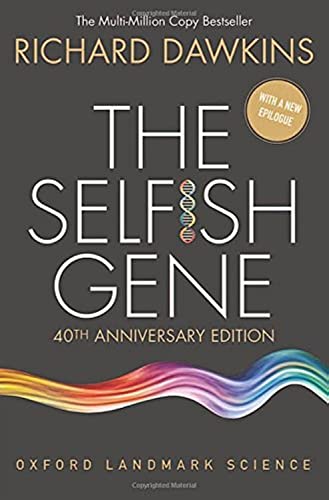
The Selfish Gene by Richard Dawkins

The Selfish Gene

by Richard Dawkins

star4.2

Dawkins reframes evolution from the organism's perspective to the gene's. Bodies are survival machines built by genes competing to replicate - a view that transformed modern biology.

science
The Denial of Death by Ernest Becker

The Denial of Death

by Ernest Becker

star4.2

Becker argues that the terror of death drives much of human behaviour, from heroism to war. Culture, religion, and self-esteem are elaborate defences against the awareness of our mortality.

philosophypsychology
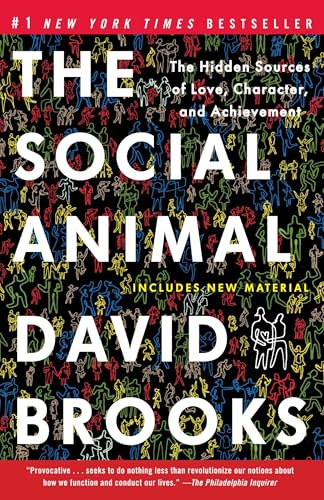
The Social Animal by David Brooks

The Social Animal

by David Brooks

star3.9

Brooks argues that character is built not through rational planning but through deep emotional and social bonds. The unconscious mind drives our most important decisions and relationships.

psychology
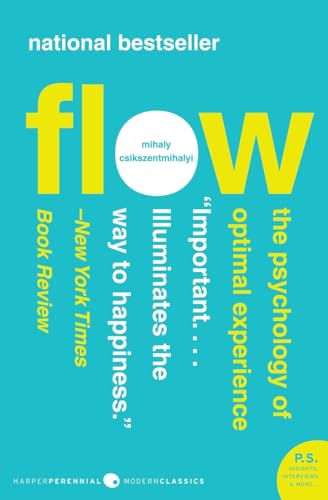
Flow by Mihaly Csikszentmihalyi

Flow

by Mihaly Csikszentmihalyi

star4.1

Csikszentmihalyi identifies the state of total absorption where time vanishes and performance peaks. Flow is not random, it arises from clear goals, immediate feedback, and matched challenge.

psychology
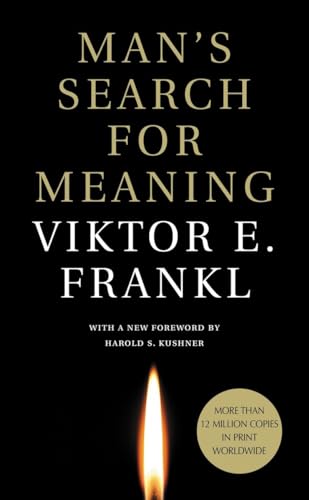
Man's Search for Meaning by Viktor Frankl

Man's Search for Meaning

by Viktor Frankl

star4.7

Frankl survived Auschwitz and concluded that meaning, not pleasure or power, sustains us through suffering. His logotherapy argues we can find purpose in any circumstance.

psychologyphilosophy
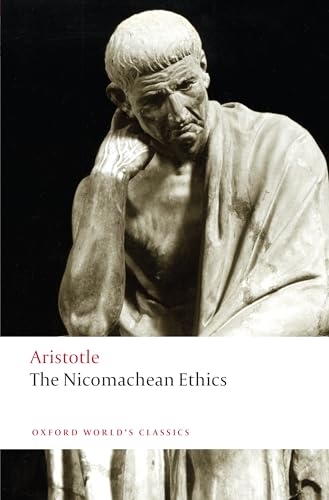
Nicomachean Ethics by Aristotle

Nicomachean Ethics

by Aristotle

star4

Aristotle argues that the good life is not about pleasure or wealth but about cultivating virtue through habit and practice. The foundational text of Western ethics.

philosophy
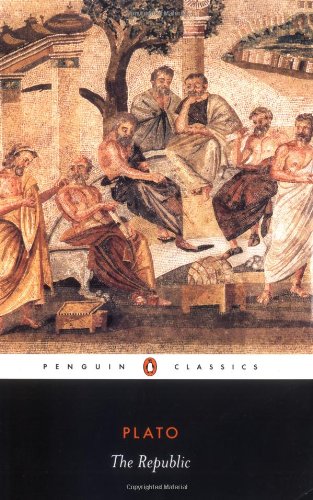
The Republic by Plato

The Republic

by Plato

star3.9

Plato's foundational dialogue asks what justice truly means, arguing that a well-ordered society mirrors a well-ordered soul. Still the starting point for political philosophy.

philosophy
Antifragile by Nassim Nicholas Taleb

Antifragile

by Nassim Nicholas Taleb

star4.3

Taleb argues that some systems don't just resist shocks - they actually grow stronger from disorder. The goal isn't resilience or robustness but antifragility: designing your life and institutions to benefit from volatility.

philosophybusiness
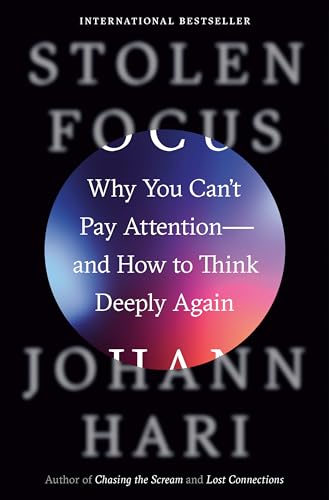
Stolen Focus by Johann Hari

Stolen Focus

by Johann Hari

star4.5

Hari investigates twelve systemic forces he argues are collectively dismantling human attention, from engagement-optimized social media and ultra-processed diets to sleep deprivation and chronic stress. He rejects the individual-willpower framing of the attention crisis, arguing that focus has been stolen by design and that recovering it requires collective political response.

psychology
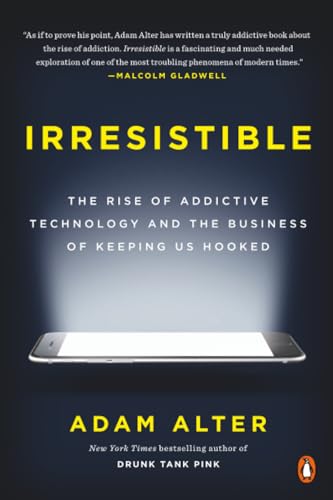
Irresistible by Adam Alter

Irresistible

by Adam Alter

star4

Alter examines how technology exploits the same hooks as gambling, variable rewards, social approval, escalating goals. Behavioural addiction is a designed feature, not a personal failing.

psychologytechnology
Digital Minimalism by Cal Newport

Digital Minimalism

by Cal Newport

star4.1

Newport argues that compulsive phone use erodes focus, solitude, and meaningful connection. He offers a practical philosophy for reclaiming attention in a noisy digital world.

self-helptechnology

Influence Map

Who Jonathan draws from, and who draws from Jonathan — aggregated across every book in this collection. Counts show the number of citation links, not the depth of each one.

Jonathan cites most often

  1. 2 links
  2. 2 links
  3. 1 link
  4. 1 link
  5. 1 link
  6. 1 link
  7. 1 link
  8. 1 link

Authors who cite Jonathan most often

  1. 1 link
  2. 1 link
  3. 1 link
  4. 1 link
  5. 1 link
  6. 1 link
  7. 1 link
  8. 1 link