David Brooks

David Brooks

New York Times Columnist, Author

David Brooks is a Canadian born American author and political and cultural commentator who writes an opinion column for The New York Times. His books, including The Social Animal and The Second Mountain, explore the intersection of neuroscience, psychology, and moral philosophy, examining what drives human character and community. He is widely regarded as one of America's most thoughtful public intellectuals on culture and society.

2
Books Written
6
Books Recommended

Books by David Brooks

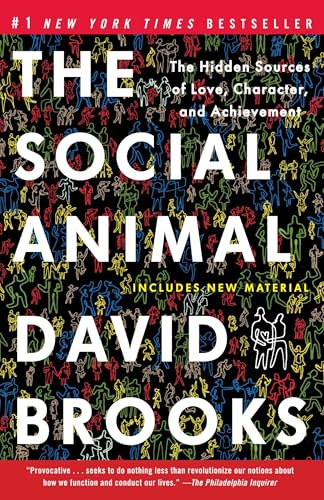
The Social Animal by David Brooks

The Social Animal

by David Brooks

star3.9

Brooks argues that character is built not through rational planning but through deep emotional and social bonds. The unconscious mind drives our most important decisions and relationships.

psychology
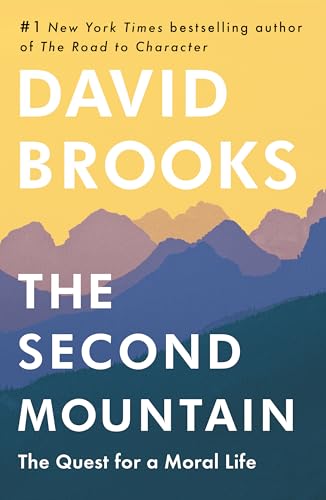
The Second Mountain: The Quest for a Moral Life by David Brooks

The Second Mountain: The Quest for a Moral Life

by David Brooks

star4.5

Brooks argues that modern life trains us to climb the first mountain of individual achievement but leaves us hollow, and that fulfilment comes from the second mountain of commitment to a spouse, vocation, faith, and community. He marshals moral philosophy, psychology, and profiles of exemplary lives to distinguish self-centreed happiness from other-centreed joy.

philosophypsychology

Most Recommended by David

The books David Brooks references, cites, and recommends most frequently.

Thinking, Fast and Slow by Daniel Kahneman

Thinking, Fast and Slow

by Daniel Kahneman

star4.2

Kahneman reveals that our minds run on two systems: fast intuition and slow deliberation. Most errors in judgement come from trusting System 1 when the situation demands System 2's careful analysis.

psychology
Outliers by Malcolm Gladwell

Outliers

by Malcolm Gladwell

star4.2

Gladwell argues that success isn't simply individual talent - it's the product of timing, culture, and accumulated advantage. The 10,000-hour rule, birth dates, and cultural legacies shape outcomes more than raw ability.

psychology
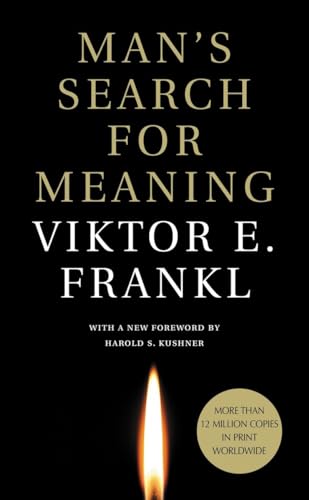
Man's Search for Meaning by Viktor Frankl

Man's Search for Meaning

by Viktor Frankl

star4.7

Frankl survived Auschwitz and concluded that meaning, not pleasure or power, sustains us through suffering. His logotherapy argues we can find purpose in any circumstance.

psychologyphilosophy
The 7 Habits of Highly Effective People by Stephen Covey

The 7 Habits of Highly Effective People

by Stephen Covey

star4.5

Covey argues lasting effectiveness comes from character, not technique. His framework moves from dependence to independence to interdependence through principle-centred habits.

self-helpbusiness
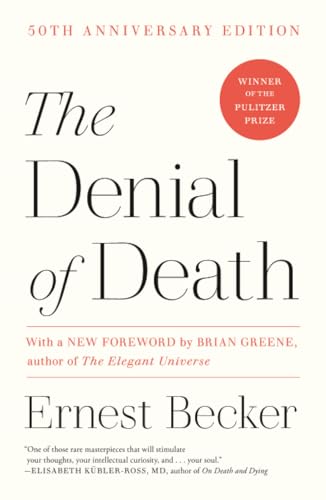
The Denial of Death by Ernest Becker

The Denial of Death

by Ernest Becker

star4.2

Becker argues that the terror of death drives much of human behaviour, from heroism to war. Culture, religion, and self-esteem are elaborate defences against the awareness of our mortality.

philosophypsychology
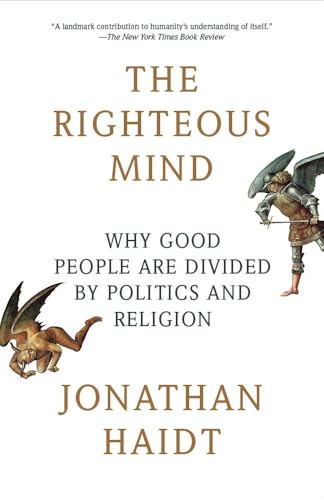
The Righteous Mind by Jonathan Haidt

The Righteous Mind

by Jonathan Haidt

star4.2

Haidt argues that moral judgements are driven by intuition, not reason. We are fundamentally groupish, and understanding our innate moral foundations explains why good people disagree politically.

psychologyphilosophy

Influence Map

Who David draws from, and who draws from David — aggregated across every book in this collection. Counts show the number of citation links, not the depth of each one.

David cites most often

  1. 1 link
  2. 1 link
  3. 1 link
  4. 1 link
  5. 1 link
  6. 1 link

Authors who cite David most often

  1. 1 link
  2. 1 link