CN

Cal Newport

Computer Science Professor, Author

Cal Newport is a computer science professor at Georgetown University and the author of "Deep Work" and "Digital Minimalism". He advocates for focused, distraction-free work in an increasingly noisy world.

4
Books Written
16
Books Recommended

Books by Cal Newport

Deep Work by Cal Newport

Deep Work

by Cal Newport

star4.6

Newport argues that the ability to focus without distraction is increasingly rare and increasingly valuable. Deep work is the superpower of the knowledge economy.

self-helpbusiness
Digital Minimalism by Cal Newport

Digital Minimalism

by Cal Newport

star4.1

Newport argues that compulsive phone use erodes focus, solitude, and meaningful connection. He offers a practical philosophy for reclaiming attention in a noisy digital world.

self-helptechnology
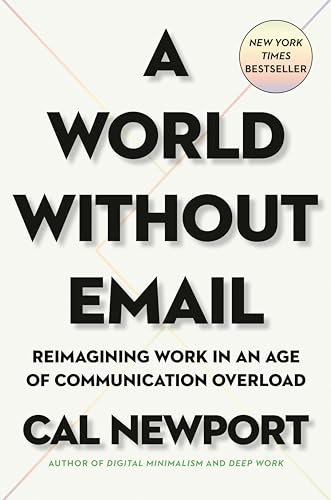
A World Without Email: Reimagining Work in an Age of Communication Overload by Cal Newport

A World Without Email: Reimagining Work in an Age of Communication Overload

by Cal Newport

star4.4

Newport argues that the modern knowledge-work default of constant ad hoc email and chat, what he calls the hyperactive hive mind, is a historical accident that has destroyed our capacity for sustained thought and is the real cause of the productivity crisis in brain work. He proposes replacing ambient messageing with explicit processes, protocols, and specialization so that attention becomes the scarce resource workflows are designed around.

productivitybusiness
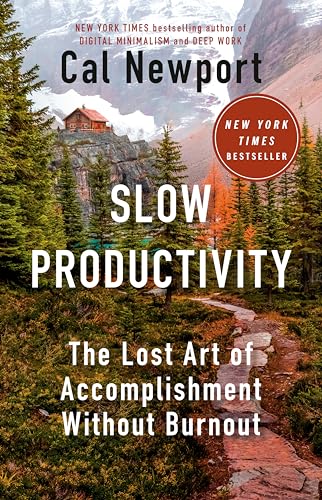
Slow Productivity: The Lost Art of Accomplishment Without Burnout by Cal Newport

Slow Productivity: The Lost Art of Accomplishment Without Burnout

by Cal Newport

star4.4

Newport attacks pseudo-productivity - the industrial-era habit of using visible busyness as a proxy for value - and proposes three alternative principles drawn from the working lives of historical creators like John McPhee, Jane Austen, and Georgia O'Keeffe: do fewer things, work at a natural pace, and obsess over quality. He argues that sustained meaningful output comes from subtraction and seasonal variation, not from cramming more activity into every hour.

productivityself-help

Most Recommended by Cal

The books Cal Newport references, cites, and recommends most frequently.

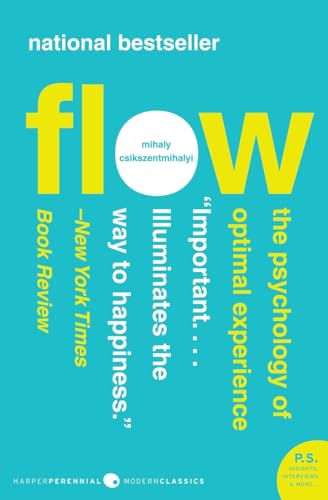
Flow by Mihaly Csikszentmihalyi

Flow

by Mihaly Csikszentmihalyi

star4.1

Csikszentmihalyi identifies the state of total absorption where time vanishes and performance peaks. Flow is not random, it arises from clear goals, immediate feedback, and matched challenge.

psychology
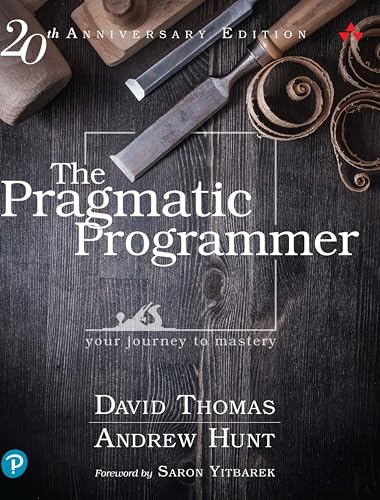
The Pragmatic Programmer by David Thomas

The Pragmatic Programmer

by David Thomas

star4.4

Thomas and Hunt argue that great software comes from a craftsman's mindset: think critically, take ownership, and never stop learning. Pragmatic techniques like DRY and orthogonality compound into mastery.

technology
The 4-Hour Workweek by Tim Ferriss

The 4-Hour Workweek

by Tim Ferriss

star4.3

Ferriss challenges the deferred-life plan of working until retirement. Through automation, outsourcing, and lifestyle design, he argues you can build freedom now, not decades from now.

businessself-help
Essentialism by Greg McKeown

Essentialism

by Greg McKeown

star4.4

McKeown argues that doing less but better is the disciplined pursuit of what truly matters. Most people spread themselves too thin and make a millimetre of progress in a million directions.

self-helpbusiness
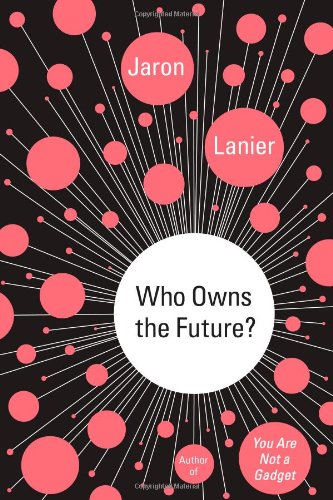
Who Owns the Future? by Jaron Lanier

Who Owns the Future?

by Jaron Lanier

star4.1

Lanier, a computer scientist and early VR pioneer, argues that Silicon Valley's free-services model redistributes wealth upward by monetizing users' data while paying them nothing. The book argues for a micropayments architecture that would restore a middle class by making individuals the owners and sellers of their own digital contributions.

technologybusiness
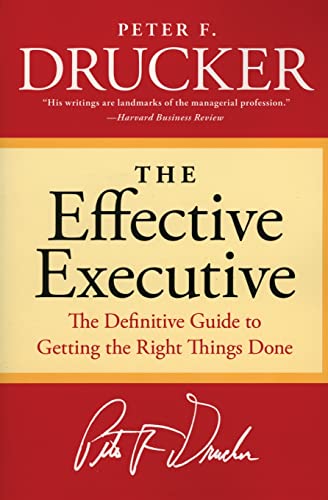
The Effective Executive by Peter Drucker

The Effective Executive

by Peter Drucker

star4.1

Drucker argues that effectiveness is a habit executives must learn, not a talent they're born with. The key disciplines: manage time ruthlessly, focus on contribution, and make strengths productive.

business
Getting Things Done by David Allen

Getting Things Done

by David Allen

star4.5

Allen's system externalises every commitment from your mind into a trusted workflow. The core insight: mental clarity comes from capturing and organising all open loops.

self-helpbusiness
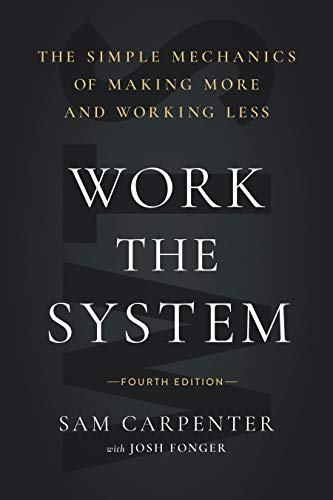
Work the System by Sam Carpenter

Work the System

by Sam Carpenter

star4.1

Carpenter argues that businesses and lives are composed of separate systems that can be individually perfected. By documenting and optimising each process, you gain control and free up time.

businessself-help
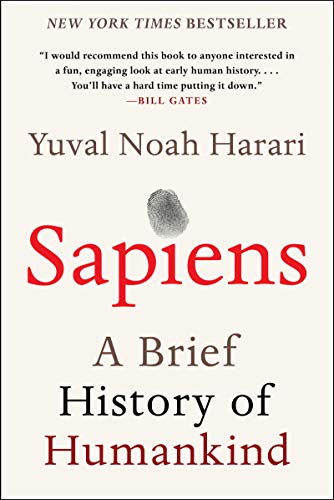
Sapiens by Yuval Noah Harari

Sapiens

by Yuval Noah Harari

star4.4

Harari traces how Homo sapiens conquered the planet not through physical strength but through shared fictions, money, religion, nations. These collective myths let strangers cooperate at scales no other species can match.

historyscience
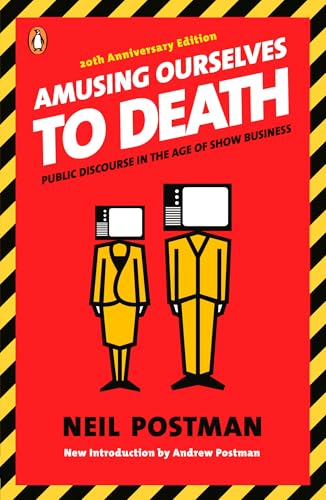
Amusing Ourselves to Death: Public Discourse in the Age of Show Business by Neil Postman

Amusing Ourselves to Death: Public Discourse in the Age of Show Business

by Neil Postman

star4.16

A prescient critique arguing that television has transformed public discourse into entertainment, degrading politics, education, religion, and journalism into shallow spectacle. Postman contrasts Orwell's fear of authoritarian censorship with Huxley's vision of a populace pacified by pleasure, concluding that Huxley's dystopia more accurately describes modern America.

mediaculture
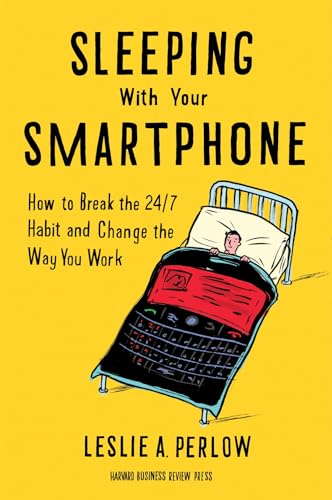
Sleeping with Your Smartphone: How to Break the 24/7 Habit and Change the Way You Work by Leslie Perlow

Sleeping with Your Smartphone: How to Break the 24/7 Habit and Change the Way You Work

by Leslie Perlow

star4

Harvard Business School professor Leslie Perlow documents a Boston Consulting Group experiment with "Predictable Time Off" and argues that the always-on work culture emerged haphazardly, not by design — and can be undone the same way.

businessself-help
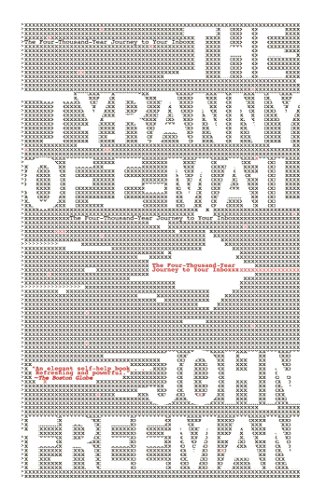
The Tyranny of E-mail: The Four-Thousand-Year Journey to Your Inbox by John Freeman

The Tyranny of E-mail: The Four-Thousand-Year Journey to Your Inbox

by John Freeman

star3.9

Freeman traces written communication from clay tablets to modern email, arguing that the speed and volume of digital messaging has fundamentally changed how we think, listen, and relate to each other.

technologyphilosophy
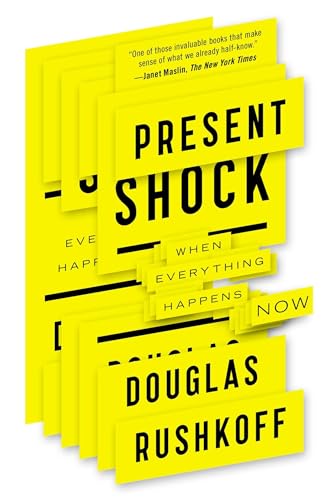
Present Shock: When Everything Happens Now by Douglas Rushkoff

Present Shock: When Everything Happens Now

by Douglas Rushkoff

star3.9

Rushkoff diagnoses the psychological and social effects of a society addicted to real-time information. Constant presentness, he argues, destroys our ability to think in stories, narratives, and long arcs.

technologyphilosophy
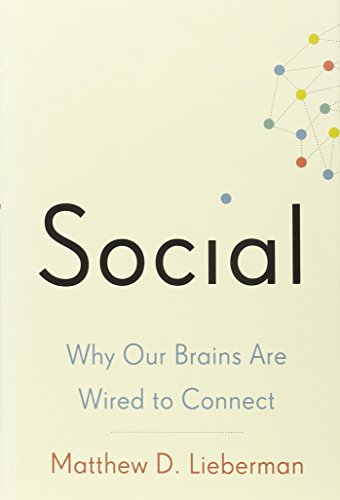
Social: Why Our Brains Are Wired to Connect by Matthew Lieberman

Social: Why Our Brains Are Wired to Connect

by Matthew Lieberman

star4.4

UCLA neuroscientist Matthew Lieberman argues that our need to belong is as fundamental as our need for food or shelter. Social pain shows up in the same brain regions as physical pain — the social brain is our default brain.

psychologyscience
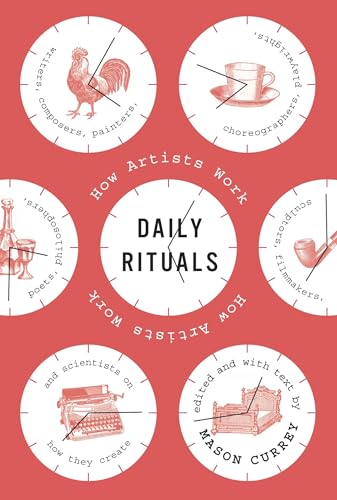
Daily Rituals: How Artists Work by Mason Currey

Daily Rituals: How Artists Work

by Mason Currey

star4.4

Currey compiles the daily routines of 161 writers, artists, composers, and thinkers to show how creative work actually happens. A cult favourite that reveals how consistent habits matter more than bursts of inspiration.

creativitybiography
Four Thousand Weeks by Oliver Burkeman

Four Thousand Weeks

by Oliver Burkeman

star4.1

Burkeman argues that four thousand weeks is all you get, so productivity hacks are a trap. The real challenge is accepting your finitude and choosing what to deliberately neglect.

self-helpphilosophy

Influence Map

Who Cal draws from, and who draws from Cal — aggregated across every book in this collection. Counts show the number of citation links, not the depth of each one.

Cal cites most often

  1. 2 links
  2. 2 links
  3. 1 link
  4. 1 link
  5. 1 link
  6. 1 link
  7. 1 link
  8. 1 link

Authors who cite Cal most often

  1. 3 links
  2. 1 link
  3. 1 link
  4. 1 link
  5. 1 link
  6. 1 link
  7. 1 link
  8. 1 link