Tim Ferriss

Tim Ferriss

Author, Entrepreneur, Podcaster

Tim Ferriss is an American entrepreneur, investor, author, and podcaster. Best known for "The 4-Hour Workweek" and "Tools of Titans", where he distils advice from over 200 world-class performers. His podcast has over 900 million downloads.

3
Books Written
18
Books Recommended

Books by Tim Ferriss

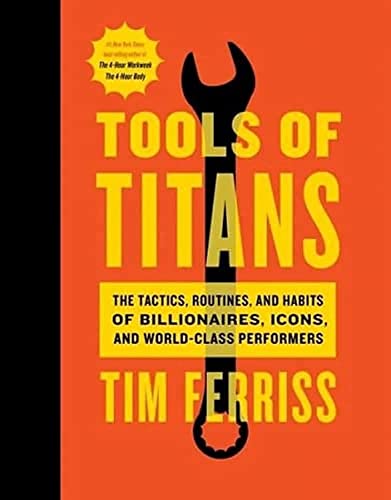
Tools of Titans by Tim Ferriss

Tools of Titans

by Tim Ferriss

star4.2

Ferriss distills the habits, routines, and tactics of world-class performers into actionable advice. It's less a single argument and more a playbook - the shared patterns of people who've mastered health, wealth, and wisdom.

businessself-help
The 4-Hour Workweek by Tim Ferriss

The 4-Hour Workweek

by Tim Ferriss

star4.3

Ferriss challenges the deferred-life plan of working until retirement. Through automation, outsourcing, and lifestyle design, he argues you can build freedom now, not decades from now.

businessself-help
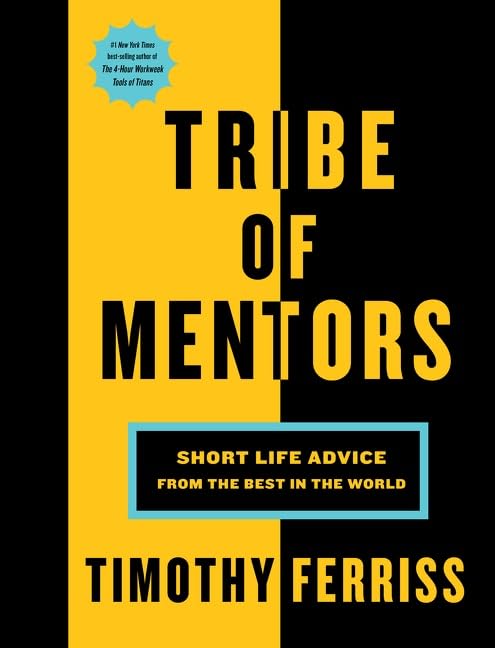
Tribe of Mentors by Tim Ferriss

Tribe of Mentors

by Tim Ferriss

star4.1

Ferriss distils advice from 130 world-class performers into actionable tactics. The recurring theme: success comes from deliberate routines, selective focus, and embracing discomfort.

businessself-help

Most Recommended by Tim

The books Tim Ferriss references, cites, and recommends most frequently.

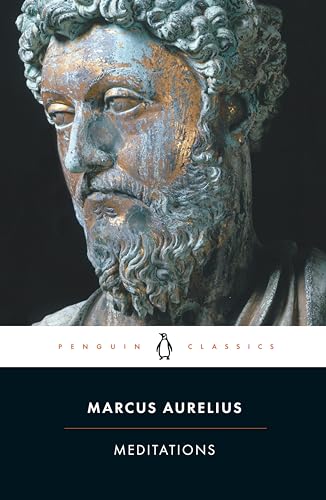
Meditations by Marcus Aurelius

Meditations

by Marcus Aurelius

star4.6

Aurelius wrote these private meditations as reminders to himself - on duty, impermanence, and rational self-governance. The result is Stoicism at its most intimate: a Roman emperor's nightly practice of keeping perspective.

philosophy
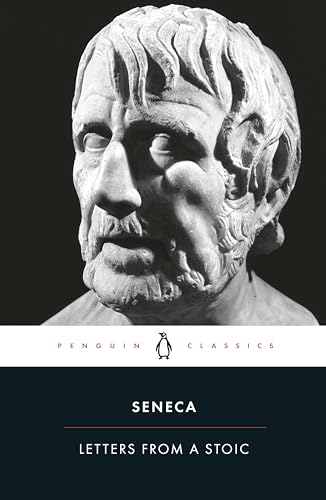
Letters from a Stoic by Seneca

Letters from a Stoic

by Seneca

star4.5

Seneca offers practical Stoic wisdom on anger, grief, time, and mortality through letters to a friend. His core message: philosophy isn't academic theory but a daily practice for living with clarity and purpose.

philosophy
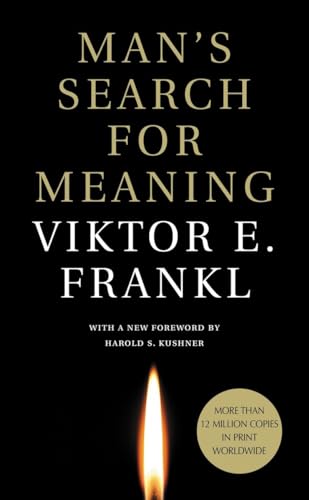
Man's Search for Meaning by Viktor Frankl

Man's Search for Meaning

by Viktor Frankl

star4.7

Frankl survived Auschwitz and concluded that meaning, not pleasure or power, sustains us through suffering. His logotherapy argues we can find purpose in any circumstance.

psychologyphilosophy
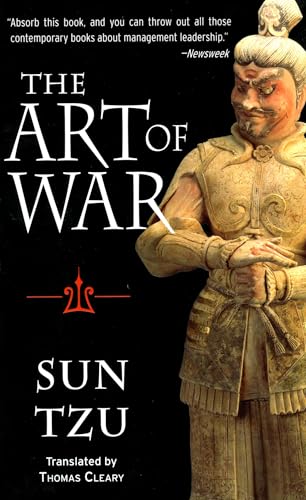
The Art of War by Sun Tzu

The Art of War

by Sun Tzu

star4.3

Sun Tzu's ancient treatise frames strategy as the art of winning without fighting when possible. The deepest victories come from superior positioning, deception, and understanding your opponent's weaknesses before engageing.

philosophyhistory
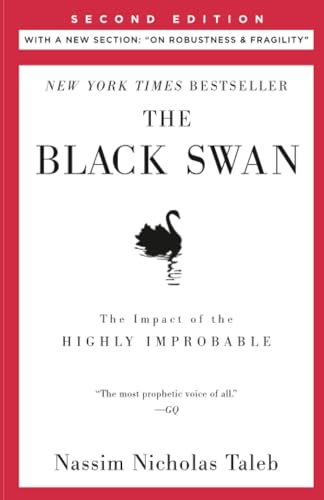
The Black Swan by Nassim Nicholas Taleb

The Black Swan

by Nassim Nicholas Taleb

star4.3

Taleb argues that rare, unpredictable events drive history far more than gradual trends. Our models systematically underestimate extreme outcomes, with devastating consequences.

philosophypsychology
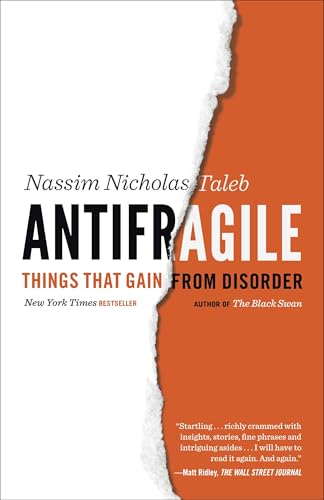
Antifragile by Nassim Nicholas Taleb

Antifragile

by Nassim Nicholas Taleb

star4.3

Taleb argues that some systems don't just resist shocks - they actually grow stronger from disorder. The goal isn't resilience or robustness but antifragility: designing your life and institutions to benefit from volatility.

philosophybusiness
Thinking, Fast and Slow by Daniel Kahneman

Thinking, Fast and Slow

by Daniel Kahneman

star4.2

Kahneman reveals that our minds run on two systems: fast intuition and slow deliberation. Most errors in judgement come from trusting System 1 when the situation demands System 2's careful analysis.

psychology
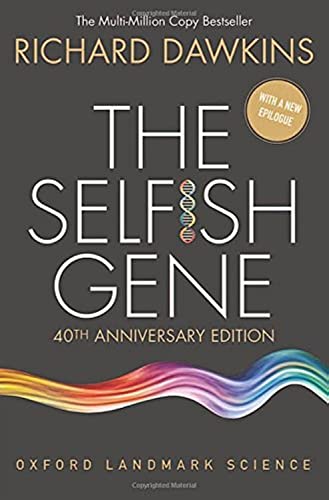
The Selfish Gene by Richard Dawkins

The Selfish Gene

by Richard Dawkins

star4.2

Dawkins reframes evolution from the organism's perspective to the gene's. Bodies are survival machines built by genes competing to replicate - a view that transformed modern biology.

science
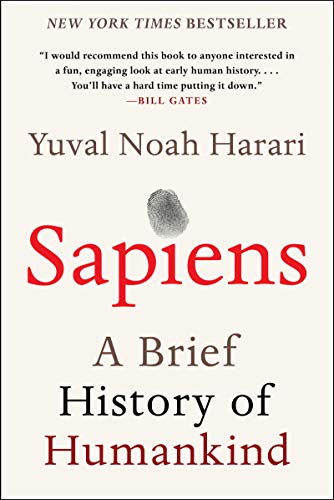
Sapiens by Yuval Noah Harari

Sapiens

by Yuval Noah Harari

star4.4

Harari traces how Homo sapiens conquered the planet not through physical strength but through shared fictions, money, religion, nations. These collective myths let strangers cooperate at scales no other species can match.

historyscience
Quiet by Susan Cain

Quiet

by Susan Cain

star4.4

Cain argues that Western culture dangerously undervalues introverts. Quiet people drive creativity and careful thinking, yet workplaces and schools are designed to reward extroversion.

psychologyself-help
Deep Work by Cal Newport

Deep Work

by Cal Newport

star4.6

Newport argues that the ability to focus without distraction is increasingly rare and increasingly valuable. Deep work is the superpower of the knowledge economy.

self-helpbusiness
The Obstacle Is the Way by Ryan Holiday

The Obstacle Is the Way

by Ryan Holiday

star4.3

Holiday revives ancient Stoic philosophy as a practical framework for turning adversity into advantage. Every obstacle contains a hidden opportunity, the discipline is in perception, action, and will.

philosophyself-help
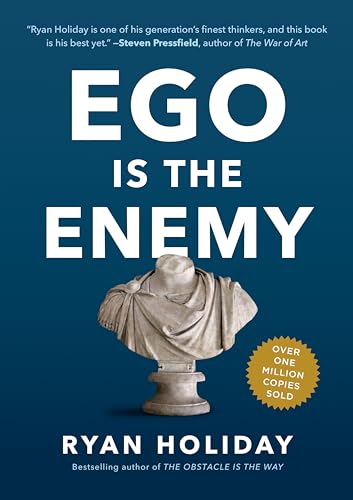
Ego Is the Enemy by Ryan Holiday

Ego Is the Enemy

by Ryan Holiday

star4.3

Holiday argues that ego, the need to be recognised, to be right, to be important, is the invisible enemy that undermines learning, collaboration, and lasting success.

philosophyself-help
The 7 Habits of Highly Effective People by Stephen Covey

The 7 Habits of Highly Effective People

by Stephen Covey

star4.5

Covey argues lasting effectiveness comes from character, not technique. His framework moves from dependence to independence to interdependence through principle-centred habits.

self-helpbusiness
Influence by Robert Cialdini

Influence

by Robert Cialdini

star4.7

Cialdini identifies six universal principles of persuasion: reciprocity, commitment, social proof, authority, liking, and scarcity. Understanding these triggers explains why we say yes, and how others get us to comply.

psychologybusiness
Think and Grow Rich by Napoleon Hill

Think and Grow Rich

by Napoleon Hill

star4.2

Hill distilled interviews with hundreds of successful people into a philosophy of achievement driven by desire, faith, and persistence. Success begins with a definite purpose held in the mind with burning obsession.

businessself-help
The Lean Startup by Eric Ries

The Lean Startup

by Eric Ries

star4.4

Ries argues most startups fail by building products nobody wants. The solution: treat your business as an experiment, measure validated learning, and pivot before you run out of cash.

businesstechnology
Start with Why by Simon Sinek

Start with Why

by Simon Sinek

star4.4

Sinek argues that inspiring leaders and organisations start by communicating why they exist, not what they do. Purpose drives loyalty in ways that features and benefits cannot.

business

Influence Map

Who Tim draws from, and who draws from Tim — aggregated across every book in this collection. Counts show the number of citation links, not the depth of each one.

Tim cites most often

  1. 2 links
  2. 2 links
  3. 1 link
  4. 1 link
  5. 1 link
  6. 1 link
  7. 1 link
  8. 1 link

Authors who cite Tim most often

  1. 2 links
  2. 1 link
  3. 1 link