Reading Guide

Understand the Modern World

How technology, media, and social forces shaped the world you live in

The modern world did not arrive by accident. It was built by specific technologies, shaped by specific incentive structures, and accelerated by specific decisions. This guide moves from the deep historical roots of our current moment, through the technological forces that reshaped society, to the social consequences we are all living with now. The reading order is chronological in spirit: you understand the foundations before examining what was built on top of them.

Who is this for

This guide is for curious generalists who want to understand why the modern world feels the way it does. It suits anyone who senses that something fundamental has shifted in how we communicate, consume information, and relate to each other, but cannot quite articulate what. If you read the news and feel confused rather than informed, these books will help.

Time to complete

About 7 weeks at one book per week

Prerequisites

None

Phase 1: The Deep Roots

Before you can understand the present, you need a framework for how societies evolve, what drives large scale change, and why some patterns keep repeating. These books zoom out far enough to give you the big picture.

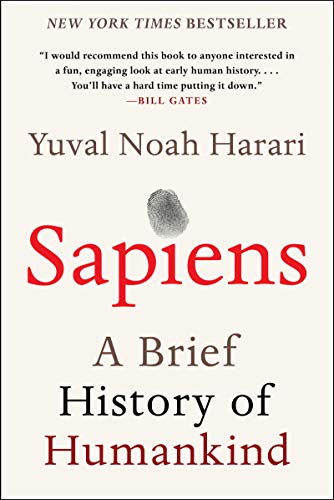
  1. Sapiens1

    Sapiens

    by Yuval Noah Harari

    Yuval Noah Harari traces the entire arc of human history in a single volume, from the cognitive revolution to the agricultural revolution to the scientific revolution. Starting here gives you the longest possible lens on the present. When you understand that humans have been telling themselves stories to organise societies for seventy thousand years, the current moment looks less unprecedented and more like the latest chapter.

    Key takeaway

    Humans dominate the planet not because of individual strength but because of our unique ability to cooperate in large numbers through shared fictions: money, nations, religions, and corporations.
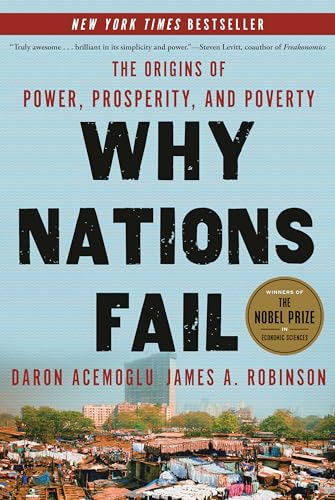
  2. Why Nations Fail2

    Why Nations Fail

    by Daron Acemoglu and James A. Robinson

    Acemoglu and Robinson explain why some nations are rich and others are poor, and the answer is not geography, culture, or luck. It is institutions. This book gives you the political and economic framework you need before you can understand how technology interacts with power. After Sapiens gives you the anthropological view, this book gives you the institutional one.

    Key takeaway

    Inclusive institutions that distribute power and opportunity broadly are the engine of prosperity. Extractive institutions that concentrate power are the engine of decline.

Phase 2: The Technology Disruption

Once you have the historical framework, you can see how specific technologies disrupted the institutional arrangements that came before them. These books trace how the internet, algorithms, and attention economics reshaped power, information, and daily life.

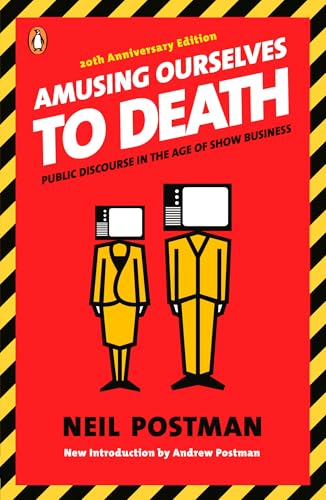
  1. Amusing Ourselves to Death: Public Discourse in the Age of Show Business3

    Amusing Ourselves to Death: Public Discourse in the Age of Show Business

    by Neil Postman

    Neil Postman wrote this book in 1985, before the internet, before smartphones, before social media. He argued that television was turning public discourse into entertainment. Reading it now is eerie because every prediction he made has intensified a hundredfold. It is the essential starting point for understanding media's effect on thought.

    Key takeaway

    The medium is not neutral. When information is delivered as entertainment, the capacity for serious public discourse erodes, and people do not even notice.

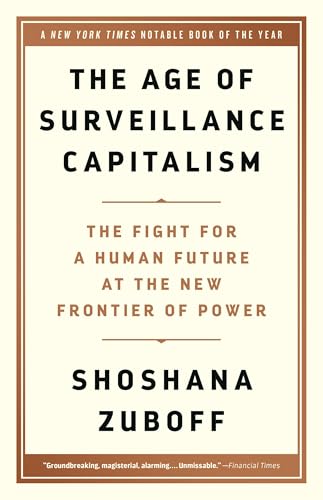
  2. The Age of Surveillance Capitalism4

    The Age of Surveillance Capitalism

    by Shoshana Zuboff

    Shoshana Zuboff coined the term 'surveillance capitalism' to describe the business model that now dominates the tech industry: extracting human experience as free raw material for prediction products. This is the most important book written about the internet economy in the last decade. After Postman shows you what television did to discourse, Zuboff shows you what the internet did to privacy and autonomy.

    Key takeaway

    The product is not you. The product is the prediction of your future behaviour, sold to those who want to modify it.

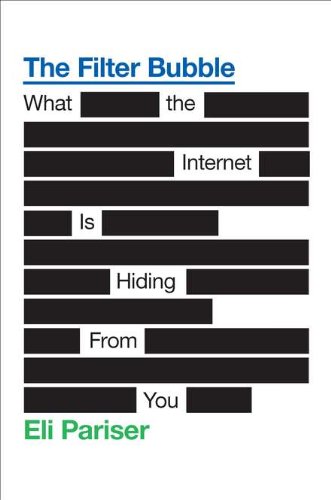
  3. The Filter Bubble: What the Internet Is Hiding from You5

    The Filter Bubble: What the Internet Is Hiding from You

    by Eli Pariser

    Eli Pariser explains how personalisation algorithms create information bubbles that confirm your existing beliefs and hide everything else. It connects directly to Zuboff's argument because the filter bubble is a consequence of the surveillance capitalism business model. Together, these two books explain both the incentive structure and the information architecture of the modern internet.

    Key takeaway

    Algorithms do not show you what is true or important. They show you what keeps you engaged, which is a very different thing.

Phase 3: The Social Consequences

Technology does not operate in a vacuum. It lands on existing social structures and transforms them in ways that are often invisible until the damage is done. These books examine what has happened to community, status, and democracy in the wake of the changes described in Phase 2.

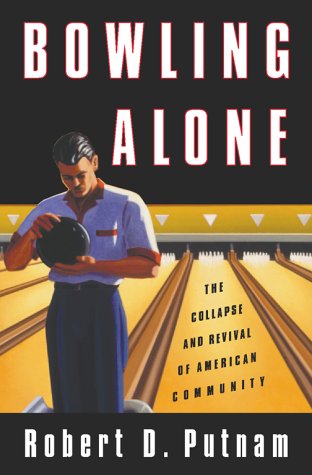
  1. Bowling Alone: The Collapse and Revival of American Community6

    Bowling Alone: The Collapse and Revival of American Community

    by Robert D. Putnam

    Robert Putnam documented the collapse of American civic life with devastating statistical precision. People stopped joining clubs, attending meetings, and trusting their neighbours. This book was published in 2000, before social media accelerated every trend it describes. Reading it after the technology books lets you see that the isolation crisis predates the internet; technology simply poured fuel on it.

    Key takeaway

    Social capital, the networks of trust and reciprocity that hold communities together, has been declining for decades. The consequences touch everything from health to democracy.

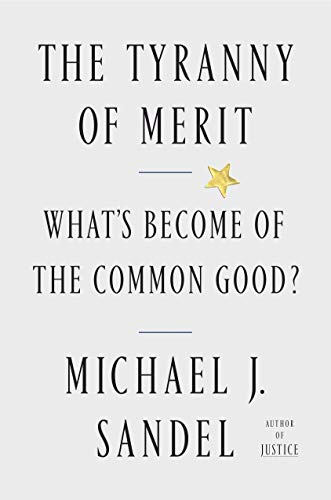
  2. The Tyranny of Merit: What's Become of the Common Good?7

    The Tyranny of Merit: What's Become of the Common Good?

    by Michael J. Sandel

    Michael Sandel argues that meritocracy, the idea that success is earned and failure is deserved, has become a corrosive force in democratic life. It breeds hubris in winners and humiliation in losers, and it erodes the solidarity that self governance requires. After Putnam shows you the decline of community, Sandel shows you the ideology that justified it.

    Key takeaway

    The belief that people deserve exactly what they get is not a neutral description of reality. It is a moral claim that, taken too far, destroys the common good.

Common mistakes to avoid

  • Reading these books and concluding that technology is simply bad. The point is not to become a Luddite but to understand the trade offs clearly enough to make conscious choices.

  • Assuming that awareness alone is sufficient. Understanding filter bubbles does not automatically free you from them; you need to actively seek out opposing viewpoints.

  • Treating the decline of civic life as someone else\'s problem. If you have not attended a local meeting or joined a community organisation, you are part of the pattern Putnam describes.

  • Getting so absorbed in systemic critique that you become paralysed. These books should sharpen your agency, not destroy it.

  • Skipping the historical books (Sapiens, Why Nations Fail) because they seem too removed from the present. They provide the essential context that makes the technology books land properly.

How to work through this guide

If you only read two books from this guide, make them Amusing Ourselves to Death and The Age of Surveillance Capitalism. Together they explain the two great shifts in modern information: from substance to entertainment, and from privacy to extraction. Sapiens is the best starting point if you want the full arc, but you can skip it if you have already read it. The Putnam and Sandel books at the end are most valuable for readers who want to understand not just how the world changed but what it cost us socially. Read Postman first regardless; everything else makes more sense after him.

BookGraph is an Amazon Associate. If you buy through the links above we may earn a small commission at no extra cost to you. All book selections and editorial reasoning are our own.

Other Reading Guides