Reading Guide

Handle Stress & Anxiety

Work with your nervous system, not against it

Rather than generic self-help, these books draw on neuroscience, Stoic philosophy, and clinical psychology. They offer a much more nuanced view of stress than "avoid it", including the evidence that some stress is actively good for you. The reading order matters: start with the reframe (stress is not always bad), then learn the clinical tools, and finish with a daily practice you can sustain.

Who is this for

Anyone experiencing chronic stress, anxiety, or burnout. Not a substitute for professional help if you are in crisis, but a strong complementary reading list for building long-term resilience. Also useful for people who manage stressed teams.

Time to complete

About 4 weeks. These are not long books, but they benefit from slow, reflective reading.

Prerequisites

If you are in acute distress, please speak to a mental health professional first. These books are for building resilience over time, not for crisis intervention.

Reframing Stress

The first and most important step is changing how you think about stress. The research shows this is not just a nice idea but a measurable physiological intervention.

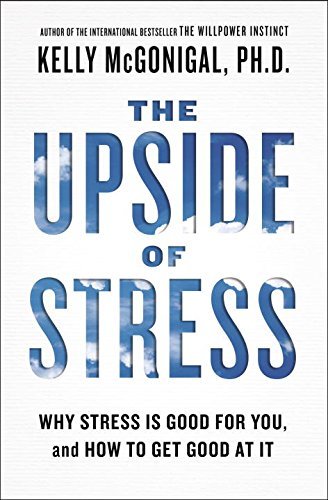
  1. The Upside of Stress: Why Stress Is Good for You1

    The Upside of Stress: Why Stress Is Good for You

    by Kelly McGonigal

    Start with the reframe. McGonigal presents evidence that how you think about stress changes its physical effect on your body. People who view stress as harmful have worse outcomes than people who view it as a performance enhancer, even when the stressor is identical. This is the single most useful idea on the entire list.

    Key takeaway

    Stress is not inherently harmful. Your belief about stress determines its effect on your health. Reframing stress as your body preparing for a challenge (rather than breaking down) measurably improves cardiovascular function and resilience.
Clinical Tools

Once you have reframed stress, build a practical toolkit for managing it. These books come from different traditions but converge on similar practices.

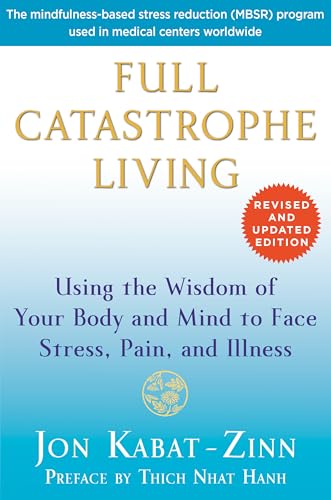
  1. Full Catastrophe Living: Using the Wisdom of Your Body and Mind to Face Stress, Pain, and Illness2

    Full Catastrophe Living: Using the Wisdom of Your Body and Mind to Face Stress, Pain, and Illness

    by Jon Kabat-Zinn

    The clinical gold standard. Kabat-Zinn developed the Mindfulness-Based Stress Reduction (MBSR) programme used in hospitals worldwide. This is the structured programme that has the most research behind it. Dense but worth the investment.

    Key takeaway

    Mindfulness is not about relaxation. It is about paying attention on purpose, in the present moment, without judgement. A structured 8-week programme of body scans, sitting meditation, and mindful movement measurably reduces anxiety and chronic pain.

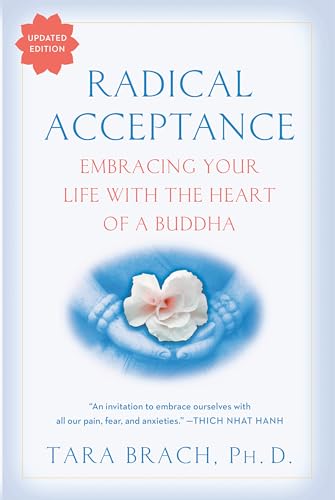
  2. Radical Acceptance: Embracing Your Life With the Heart of a Buddha3

    Radical Acceptance: Embracing Your Life With the Heart of a Buddha

    by Tara Brach

    A more spiritual take for readers who find the clinical framing too cold. Brach combines Buddhist mindfulness practice with Western psychology to address the inner critic, self-judgement, and the "trance of unworthiness" that often underlies chronic anxiety.

    Key takeaway

    Radical acceptance is not resignation. It is the practice of meeting your experience (including painful emotions) with presence rather than resistance. What you resist persists. What you accept, you can work with.

Daily Practice

Theory without practice is useless. This final book provides a modern, accessible synthesis you can integrate into your daily routine.

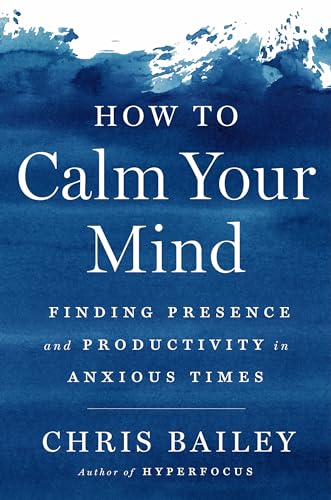
  1. How to Calm Your Mind: Finding Presence and Productivity in Anxious Times4

    How to Calm Your Mind: Finding Presence and Productivity in Anxious Times

    by Chris Bailey

    A modern, practical synthesis for readers who want a working day-to-day playbook. Bailey draws on the research from all the previous books and distils it into a framework focused on calm, not productivity. Useful as a fourth read once you have the theory and want to stop reading and start practising.

    Key takeaway

    Productivity and calm are not opposites. Chronic busyness is a stress response, not a strategy. Design your days around energy management, analogue rituals, and deliberate rest. Measure your wellbeing, not just your output.

Common mistakes to avoid

  • Using meditation as another productivity tool. If your meditation practice feels like another item on your to-do list, you have missed the point.

  • Expecting immediate results. The benefits of mindfulness practice are cumulative. Most research shows measurable changes after 8 weeks of consistent practice, not 8 days.

  • Skipping the reframe. If you still believe stress is always harmful, the management techniques will feel like damage control rather than skill-building.

  • Going it alone when you need professional support. These books are complementary to therapy, not a replacement for it.

How to work through this guide

These four books rarely contradict each other. The disagreement is about which entry point works for which reader. If you are sceptical of meditation, start with McGonigal. If you have tried meditation and bounced off, Brach may give you a way back in. None of them claim to eliminate stress, only to change your relationship with it. That turns out to be enough.

BookGraph is an Amazon Associate. If you buy through the links above we may earn a small commission at no extra cost to you. All book selections and editorial reasoning are our own.

Other Reading Guides