History

77 books in this category

Start here

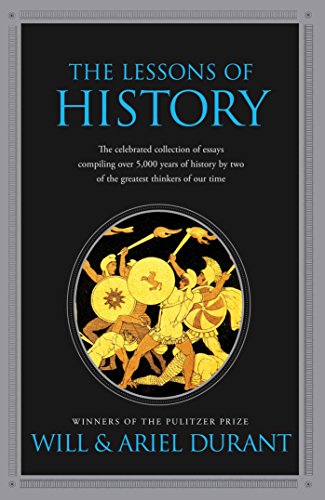
The Lessons of History

The Lessons of History

by Will Durant

Cited by 15 other books and connected to 15 more in History. If you read one book in this category first, the citation network says make it this one.

Foundational Books in History

Ranked by how often they are cited by other books in the collection. These are the titles later authors keep returning to — read one and you will recognise its fingerprints across the rest of the category.

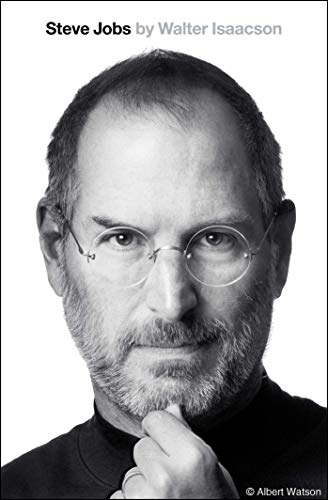
  1. Steve Jobs1

    Steve Jobs

    by Walter Isaacson

    Cited by 20
  2. Guns, Germs, and Steel2

    Guns, Germs, and Steel

    by Jared Diamond

    Cited by 15
  3. The Lessons of History3

    The Lessons of History

    by Will Durant

    Cited by 15
  4. Silent Spring4

    Silent Spring

    by Rachel Carson

    Cited by 14
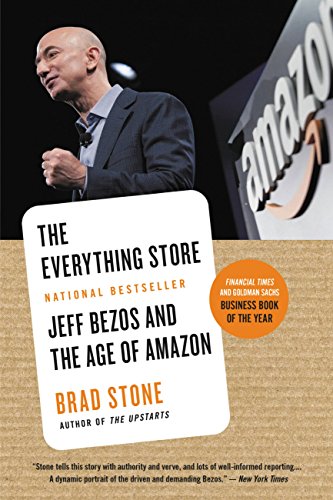
  5. The Everything Store5

    The Everything Store

    by Brad Stone

    Cited by 11
  6. The Art of War6

    The Art of War

    by Sun Tzu

    Cited by 11

More books in History

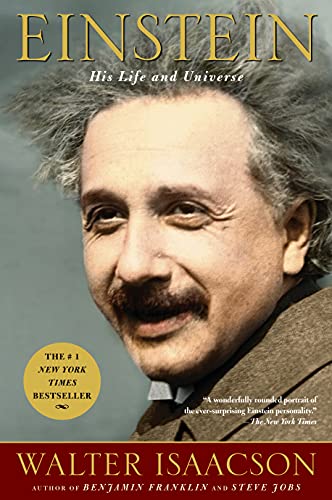
Einstein by Walter Isaacson

Einstein

by Walter Isaacson

star4.2

Isaacson reveals Einstein not just as a genius but as a rebellious, imaginative nonconformist. His breakthroughs came from thought experiments and a stubborn willingness to question assumptions everyone else accepted.

historyscience
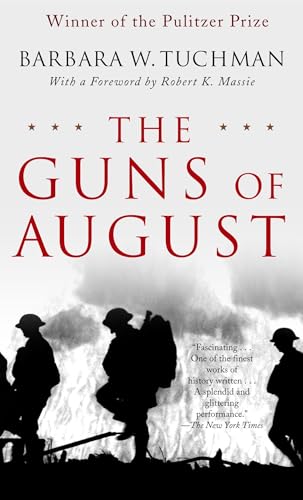
The Guns of August by Barbara W. Tuchman

The Guns of August

by Barbara W. Tuchman

star4.2

Tuchman reconstructs WWI's first month, showing how rigid war plans and national pride turned a crisis into catastrophe. The tragedy was a cascade of avoidable errors.

history
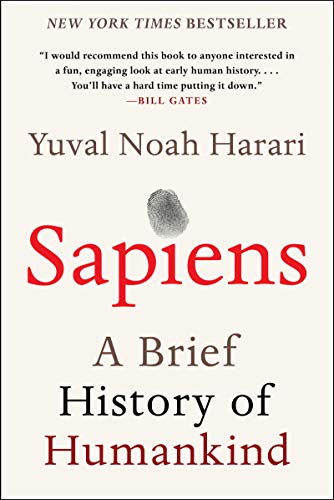
Sapiens by Yuval Noah Harari

Sapiens

by Yuval Noah Harari

star4.4

Harari traces how Homo sapiens conquered the planet not through physical strength but through shared fictions, money, religion, nations. These collective myths let strangers cooperate at scales no other species can match.

historyscience
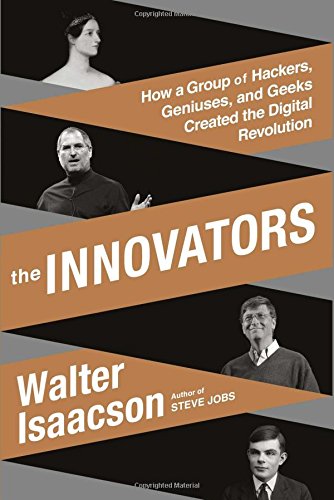
The Innovators by Walter Isaacson

The Innovators

by Walter Isaacson

star4.1

Isaacson traces the digital revolution from Ada Lovelace to the internet age. The key insight: the greatest breakthroughs came from collaboration between visionaries, not lone geniuses in isolation.

technologyhistory
The Rise and Fall of the Third Reich by William Shirer

The Rise and Fall of the Third Reich

by William Shirer

star4.3

Shirer, a journalist who witnessed Nazi Germany firsthand, provides a monumental chronicle of its rise, conquests, and collapse. It remains one of the most comprehensive accounts of how totalitarianism took root in a modern state.

history
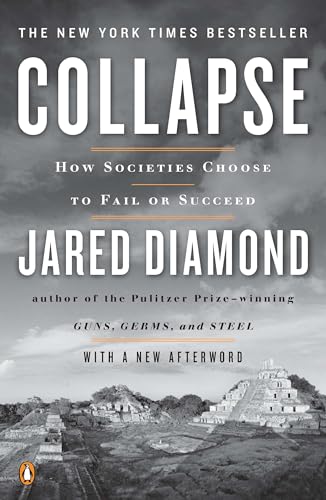
Collapse by Jared Diamond

Collapse

by Jared Diamond

star4

Diamond investigates why some societies collapse while others endure, tracing destruction to environmental damage and failed group decision-making. The past warns the present.

historyscience
The Emperor of All Maladies by Siddhartha Mukherjee

The Emperor of All Maladies

by Siddhartha Mukherjee

star4.4

Mukherjee traces the entire history of cancer from ancient Egypt to modern immunotherapy. Part biography of the disease, part chronicle of the researchers who fought to understand it.

sciencehistory
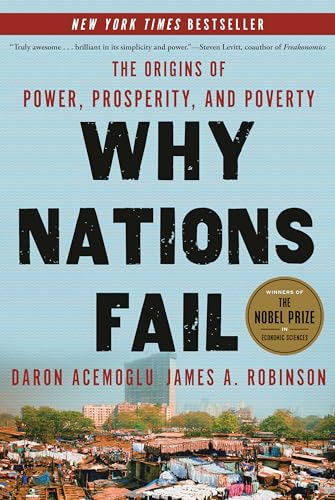
Why Nations Fail by Daron Acemoglu and James A. Robinson

Why Nations Fail

by Daron Acemoglu and James A. Robinson

star4.5

Acemoglu and Robinson argue that the stark prosperity gap between nations is driven not by geography, culture, or ignorance but by the distinction between inclusive and extractive political and economic institutions. Their sweeping comparative history, built on pairs like Nogales Arizona/Sonora and North/South Korea, claims that elites who monopolize power lock in poverty while pluralistic institutions create self-reinforcing prosperity.

historyeconomics
The Gene by Siddhartha Mukherjee

The Gene

by Siddhartha Mukherjee

star4.3

Mukherjee traces the gene's history from Mendel's pea gardens to CRISPR, weaving science with personal family narrative. The gene is both the atom of heredity and a source of profound ethical dilemmas for our future.

sciencehistory
A Short History of Nearly Everything by Bill Bryson

A Short History of Nearly Everything

by Bill Bryson

star4.2

Bryson makes the history of science wildly entertaining, covering everything from the Big Bang to the rise of civilization. His gift is turning impossibly complex discoveries into stories that feel personal and urgent.

historyscience
The Master Switch by Tim Wu

The Master Switch

by Tim Wu

star4.1

Wu traces a recurring cycle in information industries: open systems get consolidated by monopolists, then disrupted again. From telephone to internet, the pattern threatens every medium.

historytechnology
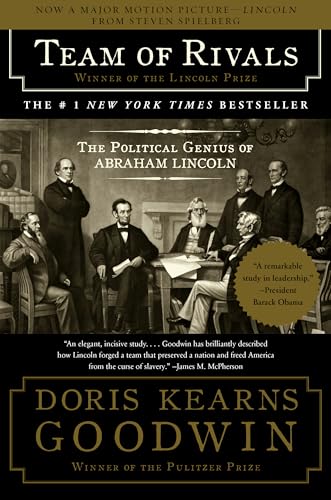
Team of Rivals: The Political Genius of Abraham Lincoln by Doris Kearns Goodwin

Team of Rivals: The Political Genius of Abraham Lincoln

by Doris Kearns Goodwin

star4.7

Goodwin reconstructs Lincoln's decision to appoint his chief political rivals - Seward, Chase, and Bates - to his cabinet, turning adversaries into collaborators. Goodwin argues that Lincoln's emotional intelligence and willingness to absorb dissent were the cornerstones of his wartime leadership.

biographyhistory
Leonardo da Vinci by Walter Isaacson

Leonardo da Vinci

by Walter Isaacson

star4.2

Isaacson reveals how Leonardo's genius lay not in supernatural talent but in relentless curiosity and observation. His notebooks show creativity as disciplined, cross-domain practice.

historyscience
The New Jim Crow: Mass Incarceration in the Age of Colorblindness by Michelle Alexander

The New Jim Crow: Mass Incarceration in the Age of Colorblindness

by Michelle Alexander

star4.8

Alexander argues that mass incarceration has functioned as a racial caste system analogous to Jim Crow, using the War on Drugs to legally strip Black Americans of voting rights, employment, housing, and civic standing. She contends that color-blind rhetoric masks the racialized design and outcomes of modern criminal justice.

lawhistory
The Precipice by Toby Ord

The Precipice

by Toby Ord

star4.5

Ord argues that humanity has entered an unprecedented period of existential risk, estimating a roughly one-in-six chance of civilizational catastrophe this century driven chiefly by engineered pandemics and unaligned AI. He builds an ethical case, rooted in longtermist philosophy, that safeguarding humanity's long-term potential is the defining moral task of our era.

philosophyhistory
Homo Deus by Yuval Noah Harari

Homo Deus

by Yuval Noah Harari

star4.3

Harari argues that humanity's next project is upgrading itself - through bioengineering, AI, and data - into something post-human. The question is who controls that transformation.

historyscience
The Better Angels of Our Nature by Steven Pinker

The Better Angels of Our Nature

by Steven Pinker

star4.3

Pinker marshals centuries of data to argue violence has declined dramatically across every measurable dimension. Reason, commerce, empathy, and the state drove this underappreciated progress.

psychologyhistory
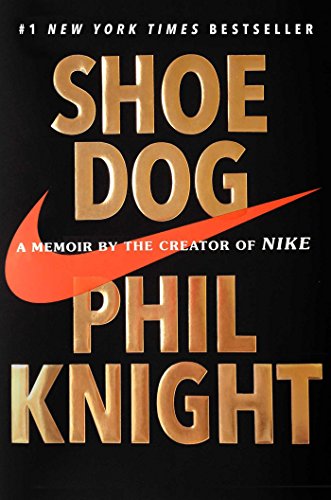
Shoe Dog by Phil Knight

Shoe Dog

by Phil Knight

star4.7

Knight recounts building Nike from a $50 loan and a handshake deal with a Japanese shoe company. It's a brutally honest memoir about near-bankruptcy, legal battles, and the irrational persistence that built a global brand.

businesshistory
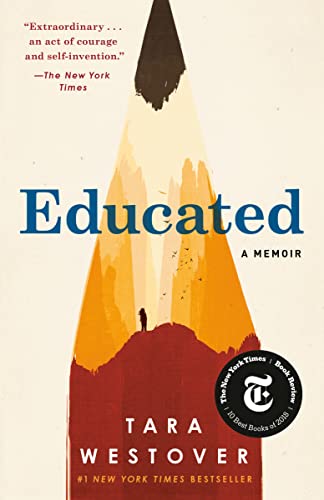
Educated by Tara Westover

Educated

by Tara Westover

star4.7

Westover recounts growing up in a survivalist family with no formal schooling, then educating herself all the way to a Cambridge PhD. It's a memoir about the transformative and dislocating power of education.

history
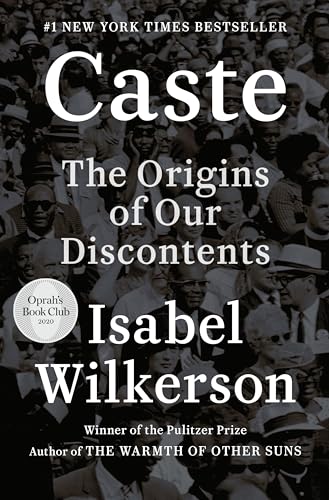
Caste: The Origins of Our Discontents by Isabel Wilkerson

Caste: The Origins of Our Discontents

by Isabel Wilkerson

star4.7

Wilkerson argues that America is best understood not through the lens of race or class alone but as a caste system, and she compares its eight pillars to those of India's caste order and Nazi Germany's racial hierarchy. She contends that caste is the bones beneath race, an ancient ranking of human value that scripts behavior across every interaction.

historysociology
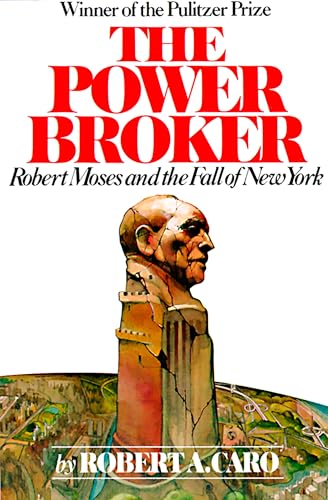
The Power Broker by Robert Caro

The Power Broker

by Robert Caro

star4.7

Caro's 1974 biography of Robert Moses, the unelected official who reshaped New York City for half a century. Widely considered one of the greatest biographies ever written and a landmark in narrative nonfiction.

biographyhistory
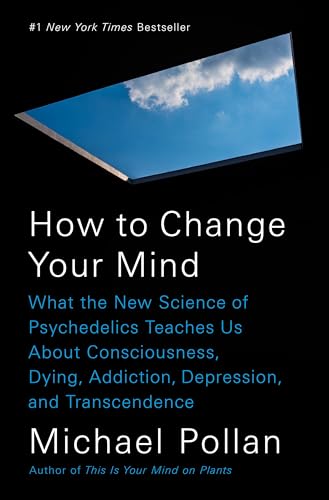
How to Change Your Mind by Michael Pollan

How to Change Your Mind

by Michael Pollan

star4.6

Pollan chronicles the scientific rediscovery of psychedelics like psilocybin and LSD, weaving first-person trip reports with accounts of Johns Hopkins and NYU clinical trials in depression, addiction, and end-of-life distress. He argues that psychedelics loosen rigid cognitive patterns in the default-mode network, offering a materialist framework for why mystical experiences reliably produce lasting psychological benefits.

psychologyhistory
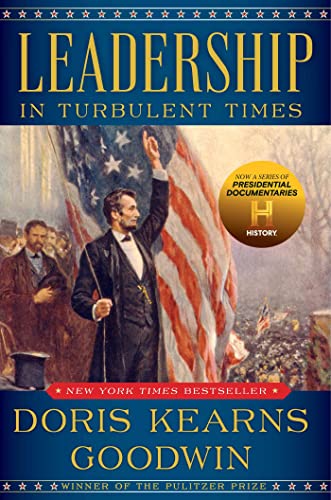
Leadership in Turbulent Times by Doris Kearns Goodwin

Leadership in Turbulent Times

by Doris Kearns Goodwin

star4.6

Goodwin distills five decades of studying Lincoln, Theodore Roosevelt, FDR, and LBJ into a framework of how leaders develop through ambition, adversity, and crisis. She argues that leadership is learned through specific, identifiable habits of empathy, communication, and resilience during difficult eras.

leadershipbiography
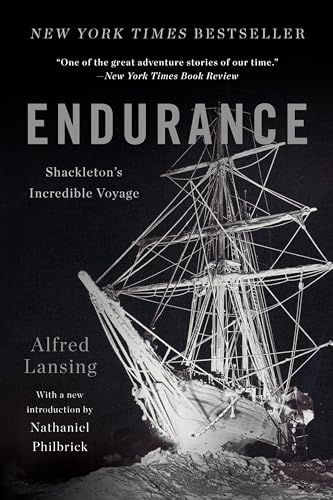
Endurance by Alfred Lansing

Endurance

by Alfred Lansing

star4.5

Lansing reconstructs Shackleton's 1914 Antarctic expedition in gripping detail. Twenty-seven men survived two years stranded on ice through extraordinary leadership and endurance.

history
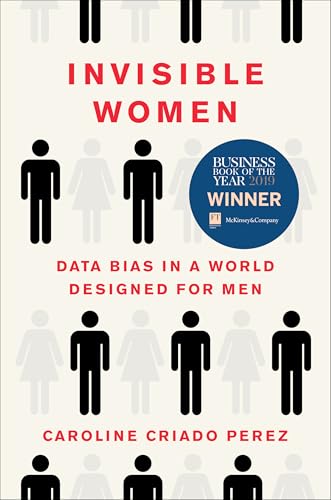
Invisible Women by Caroline Criado Perez

Invisible Women

by Caroline Criado Perez

star4.5

Criado Perez exposes how a world designed around male-default data harms women in medicine, urban planning, and technology. The gender data gap is the invisible cost of a false universal standard.

sciencehistory
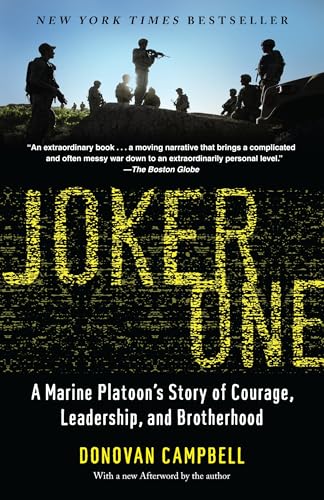
Joker One by Donovan Campbell

Joker One

by Donovan Campbell

star4.4

Campbell recounts his experience leading a Marine infantry platoon through some of the fiercest urban combat of the Iraq War. A raw, unflinching memoir of leadership under fire and the bonds forged in battle.

history
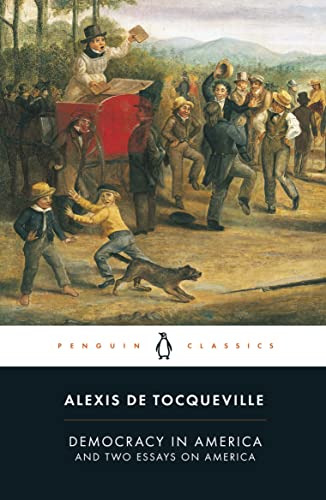
Democracy in America by Alexis de Tocqueville

Democracy in America

by Alexis de Tocqueville

star4.3

Tocqueville's 1830s travelogue-turned-political-theory remains the most insightful analysis of American democracy ever written. His warnings about the tyranny of the majority and the rise of "soft despotism" feel prophetic.

philosophyhistory
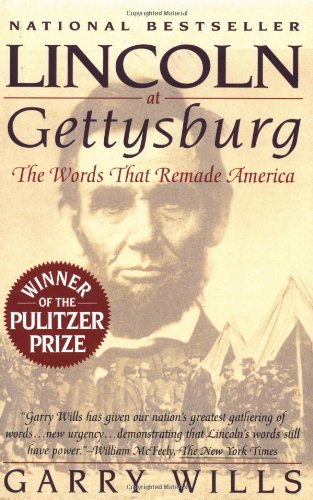
Lincoln at Gettysburg: The Words that Remade America by Garry Wills

Lincoln at Gettysburg: The Words that Remade America

by Garry Wills

star4.3

Wills's Pulitzer-winning study of the Gettysburg Address argues that Lincoln's 272 words reshaped American self-understanding in a way no speech before or since has matched. Every word, Wills shows, was there for a reason.

history
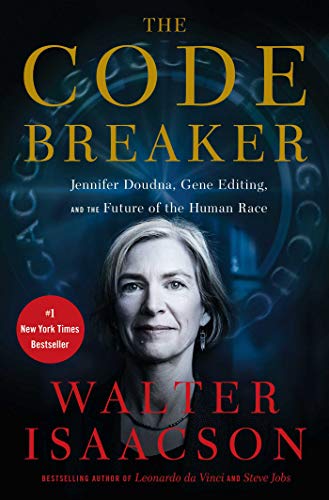
The Code Breaker by Walter Isaacson

The Code Breaker

by Walter Isaacson

star4.2

Isaacson chronicles Jennifer Doudna and the race to develop CRISPR gene-editing technology. The story raises urgent questions about who should control the power to rewrite the code of life.

historyscience

The Immortal Life of Henrietta Lacks by Rebecca Skloot

The Immortal Life of Henrietta Lacks

by Rebecca Skloot

star4.1

Skloot tells the story of Henrietta Lacks, whose cancer cells were taken without consent and became vital to modern medicine. It's a profound exploration of race, ethics, and the human cost behind scientific progress.

sciencehistory
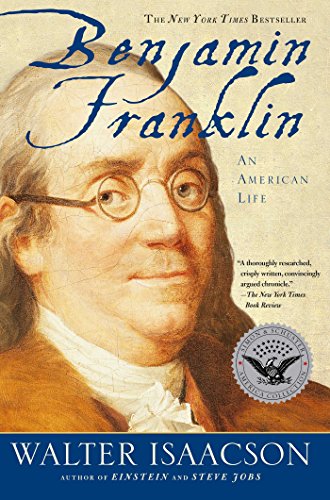
Benjamin Franklin by Walter Isaacson

Benjamin Franklin

by Walter Isaacson

star4.1

Isaacson portrays Franklin as America's most accomplished Founding Father: scientist, diplomat, writer, and inventor. His genius lay in practical curiosity and the relentless ability to reinvent himself.

history
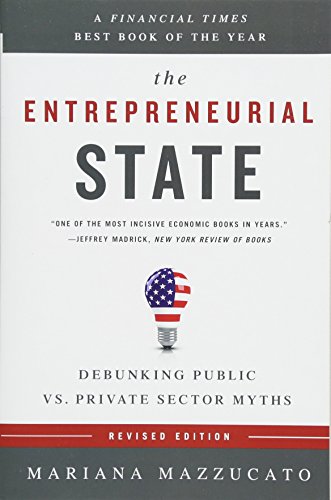
The Entrepreneurial State by Mariana Mazzucato

The Entrepreneurial State

by Mariana Mazzucato

star4.1

Mazzucato challenges the lone-entrepreneur myth by showing the state funded the riskiest innovations behind the iPhone, internet, and biotech. Public investment deserves credit and returns.

businesshistory
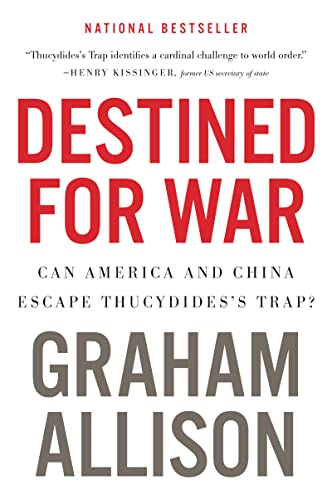
Destined for War by Graham Allison

Destined for War

by Graham Allison

star4

Allison revives Thucydides's Trap: war between a rising and ruling power is historically the norm, not the exception. He applies this lens to the US-China rivalry.

history
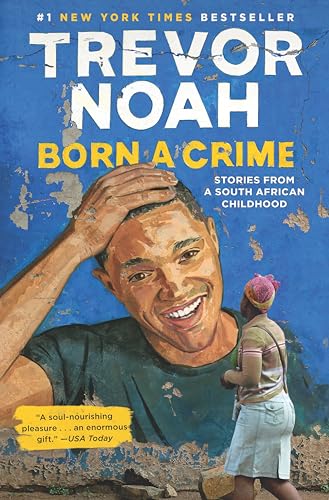
Born a Crime: Stories from a South African Childhood by Trevor Noah

Born a Crime: Stories from a South African Childhood

by Trevor Noah

star4.8

Noah recounts growing up mixed-race in apartheid South Africa, where his very existence was illegal, raised by a fiercely religious Xhosa mother in Soweto. Noah argues that apartheid's most lasting damage was its engineering of everyday relationships and identities, which his mother's defiance taught him to navigate with language and humor.

memoirbiography
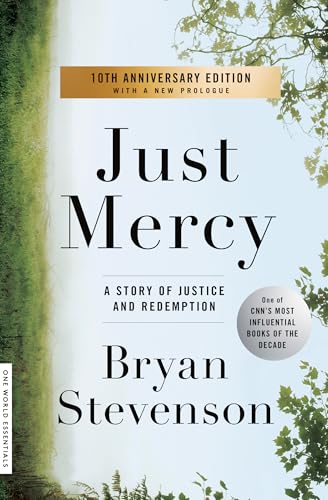
Just Mercy: A Story of Justice and Redemption by Bryan Stevenson

Just Mercy: A Story of Justice and Redemption

by Bryan Stevenson

star4.8

Stevenson recounts his founding of the Equal Justice Initiative and his defense of Walter McMillian, a Black man wrongly sentenced to death in Alabama, to argue that the American criminal justice system is structurally shaped by racial terror, poverty, and the presumption of guilt. He contends that mercy and proximity to the condemned are prerequisites for any real reform.

lawhistory
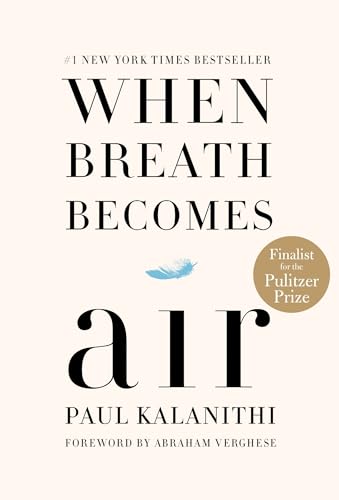
When Breath Becomes Air by Paul Kalanithi

When Breath Becomes Air

by Paul Kalanithi

star4.7

A neurosurgeon diagnosed with terminal cancer reflects on what makes life worth living. Kalanithi's memoir confronts mortality with rare eloquence and intellectual honesty.

historyphilosophy
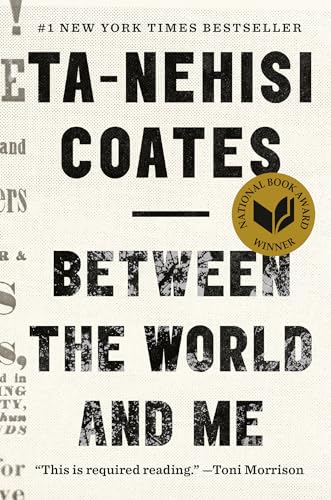
Between the World and Me by Ta-Nehisi Coates

Between the World and Me

by Ta-Nehisi Coates

star4.7

Written as a letter to his teenage son, Coates argues that American history is built on the plunder of Black bodies and that the Dream of white American innocence depends on that plunder remaining invisible. He urges his son to live inside the struggle for freedom while rejecting the consolations of redemption narratives.

memoirhistory
The Warmth of Other Suns: The Epic Story of America's Great Migration by Isabel Wilkerson

The Warmth of Other Suns: The Epic Story of America's Great Migration

by Isabel Wilkerson

star4.7

Wilkerson chronicles the Great Migration of six million Black Americans from the Jim Crow South to northern and western cities between 1915 and 1970 through the lives of three protagonists. She argues that this leaderless, individual-by-individual exodus remade American cities, culture, and politics, and should be read as one of the great migrations of modern history.

historysociology
Postwar: A History of Europe Since 1945 by Tony Judt

Postwar: A History of Europe Since 1945

by Tony Judt

star4.7

Judt delivers a sweeping single-volume history of Europe from the rubble of 1945 through the fall of communism to the anxious EU of the early 2000s, weaving together politics, economics, and culture across thirty-four nations. He argues that the long postwar peace rested on a willed forgetting of wartime atrocities, and that Europe's memory politics would determine its future stability.

historyeurope
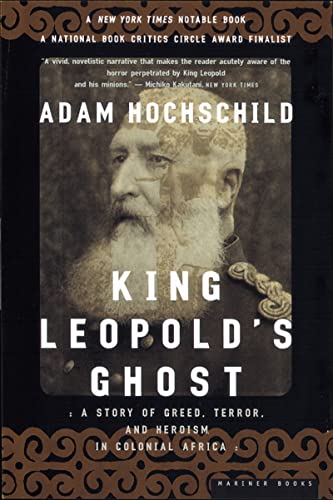
King Leopold's Ghost: A Story of Greed, Terror, and Heroism in Colonial Africa by Adam Hochschild

King Leopold's Ghost: A Story of Greed, Terror, and Heroism in Colonial Africa

by Adam Hochschild

star4.7

Hochschild reconstructs King Leopold II's personal plunder of the Congo, where forced rubber extraction killed as many as ten million Africans, and recovers the first modern human rights campaign that exposed it. The book argues that the Congo Free State was a template for twentieth-century mass atrocity, and that the coalition of missionaries, shipping clerks, and journalists who fought it pioneered the tools of transnational activism.

historyafrica
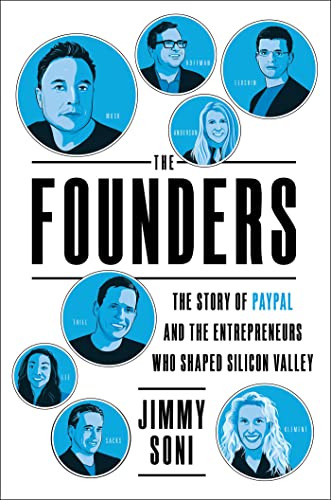
The Founders: The Story of Paypal and the Entrepreneurs Who Shaped Silicon Valley by Jimmy Soni

The Founders: The Story of Paypal and the Entrepreneurs Who Shaped Silicon Valley

by Jimmy Soni

star4.7

Soni reconstructs the founding of PayPal from 150,000 pages of internal documents and hundreds of interviews, telling the story of how Max Levchin, Peter Thiel, Elon Musk, Reid Hoffman, and a handful of young engineers built the company that became the training ground for LinkedIn, YouTube, Tesla, SpaceX, Palantir, and Yelp. The book argues that the PayPal Mafia's later impact was seeded by the crucible of fraud, competition with eBay, and survival through the dot-com bust.

businessentrepreneurship
The Big Short: Inside the Doomsday Machine by Michael Lewis

The Big Short: Inside the Doomsday Machine

by Michael Lewis

star4.6

Lewis follows the handful of investors - Michael Burry, Steve Eisman, and others - who recognised the subprime mortgage bubble and bet against it via credit default swaps. Lewis argues that Wall Street's catastrophe was not a black swan but a predictable failure of incentives, complexity, and willful blindness that a few outsiders saw clearly.

businesshistory
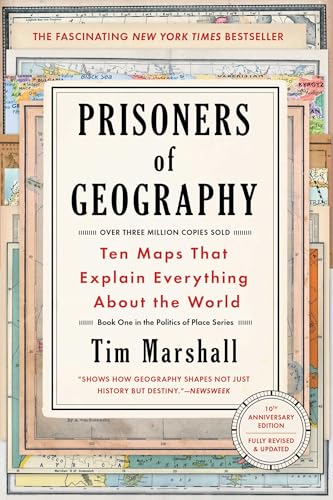
Prisoners of Geography: Ten Maps That Tell You Everything You Need to Know About Global Politics by Tim Marshall

Prisoners of Geography: Ten Maps That Tell You Everything You Need to Know About Global Politics

by Tim Marshall

star4.6

Marshall argues that physical geography - rivers, mountains, coastlines, and climate - remains the hidden constraint behind every nation's foreign policy, from Russia's anxiety about the North European Plain to China's hunger for blue-water ports. Through ten maps he shows how leaders from Putin to Xi to American presidents are still, in essence, prisoners of the terrain their countries inherited.

geopoliticshistory
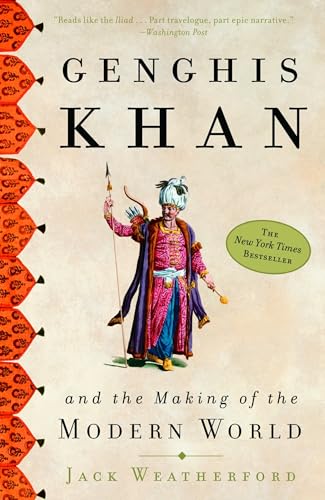
Genghis Khan and the Making of the Modern World by Jack Weatherford

Genghis Khan and the Making of the Modern World

by Jack Weatherford

star4.6

Weatherford overturns the Western caricature of Genghis Khan as a barbarian, presenting him instead as a visionary ruler whose empire forged the first integrated Eurasian trade system and seeded the Renaissance with paper, gunpowder, and legal codes. Drawing on the Secret History of the Mongols and new archaeological work, he argues the Mongol century connected civilizations in ways that directly enabled the modern world.

historybiography
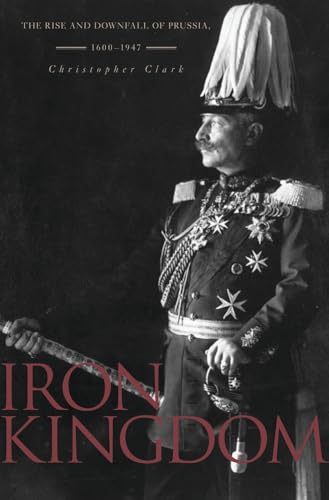
Iron Kingdom: The Rise and Downfall of Prussia, 1600-1947 by Christopher Clark

Iron Kingdom: The Rise and Downfall of Prussia, 1600-1947

by Christopher Clark

star4.6

Clark traces Prussia from a scattered Baltic territory to the militarized core of a unified Germany and finally to its dissolution by Allied decree in 1947. He argues against the familiar teleology that casts Prussia as the inevitable root of Nazism, presenting instead a contingent state whose Enlightenment reforms, religious pluralism, and bureaucratic innovation were as central to its identity as its armies.

historyeurope
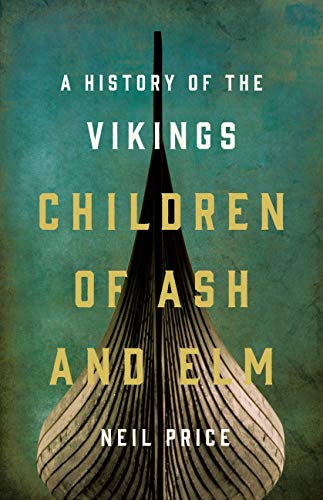
Children of Ash and Elm: A History of the Vikings by Neil Price

Children of Ash and Elm: A History of the Vikings

by Neil Price

star4.6

Price draws on three decades of archaeology and recent DNA analysis to reconstruct the Viking world on its own terms, from cosmology and gender to trade networks stretching from Newfoundland to Uzbekistan. He argues the Vikings were not just raiders but a sophisticated, cosmopolitan civilization whose diaspora knit together a medieval Eurasia far more connected than the stereotype suggests.

historyancient
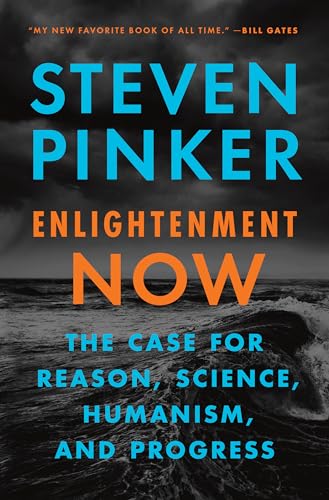
Enlightenment Now by Steven Pinker

Enlightenment Now

by Steven Pinker

star4.5

Pinker marshals 75 graphs showing long-term gains in health, wealth, safety, peace, knowledge, and happiness to argue that Enlightenment commitments to reason, science, and humanism have delivered measurable progress. He contends that cognitive biases like the availability heuristic and negativity bias make us systematically underestimate how much better the world has become.

historyphilosophy
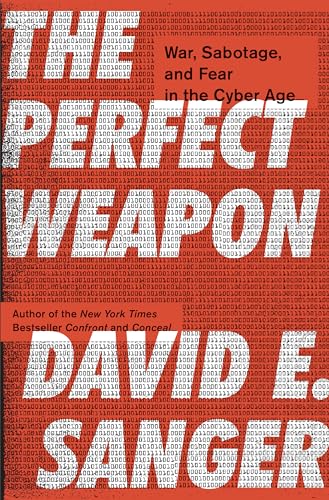
The Perfect Weapon: War, Sabotage, and Fear in the Cyber Age by David E. Sanger

The Perfect Weapon: War, Sabotage, and Fear in the Cyber Age

by David E. Sanger

star4.5

Sanger, the New York Times national-security correspondent, traces the emergence of cyber conflict from Stuxnet through Russian election interference, arguing that governments deployed offensive code faster than they established doctrine. The book argues that cyberweapons have become the preferred tool of geopolitics precisely because deterrence in the digital domain remains unsolved.

technologyhistory
Mindf*ck: Cambridge Analytica and the Plot to Break America by Christopher Wylie

Mindf*ck: Cambridge Analytica and the Plot to Break America

by Christopher Wylie

star4.5

Wylie, the whistleblower who exposed Cambridge Analytica's harvesting of Facebook data, recounts how psychographic targeting was weaponized for Brexit and the 2016 US election. The book argues that the surveillance-advertising infrastructure built by Silicon Valley was adapted, with minimal friction, into an instrument of psychological warfare.

technologyhistory
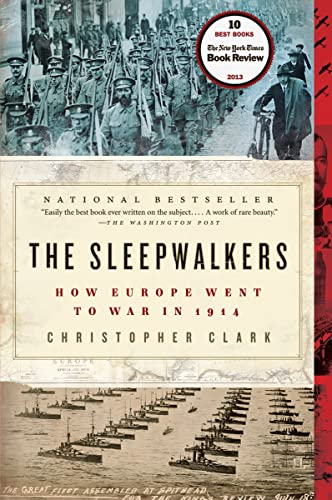
The Sleepwalkers: How Europe Went to War in 1914 by Christopher Clark

The Sleepwalkers: How Europe Went to War in 1914

by Christopher Clark

star4.5

Clark reconstructs the July 1914 crisis as a chain of decisions made by anxious, ambitious men who stumbled into catastrophe without fully grasping the consequences. Rejecting single-culprit explanations, he argues that the statesmen of all the great powers were sleepwalkers, blind to the disaster their interlocking alliances and miscalculations were producing.

historywar
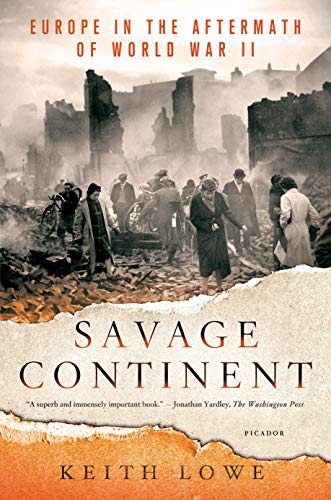
Savage Continent: Europe in the Aftermath of World War II by Keith Lowe

Savage Continent: Europe in the Aftermath of World War II

by Keith Lowe

star4.5

Lowe documents the violent chaos that engulfed Europe after VE Day - revenge killings, ethnic cleansings, famine, and civil wars that claimed millions more lives between 1945 and 1949. He argues that the familiar story of postwar reconstruction obscures a continent-wide descent into savagery, and that today's European order was built on a foundation of forced population transfers and suppressed memory.

historywar
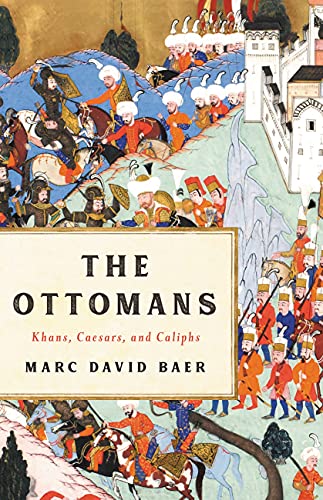
The Ottomans: Khans, Caesars, and Caliphs by Marc David Baer

The Ottomans: Khans, Caesars, and Caliphs

by Marc David Baer

star4.5

Baer retells six centuries of Ottoman history as integral to European history rather than exotic to it, tracing how a Turkic frontier dynasty became the heir of Rome, Islam, and the steppe simultaneously. He argues that Europe cannot understand itself without the Ottomans, and that the empire's religious pluralism, genocidal endpoints, and legacy of partition still shape the Middle East and the Balkans.

historyempire
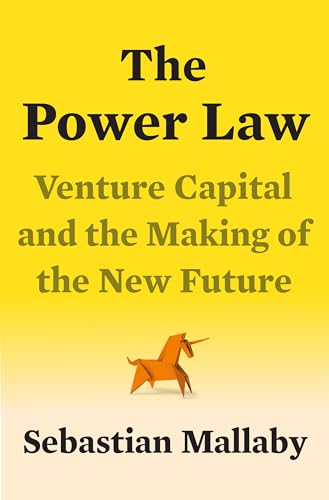
The Power Law: Venture Capital and the Making of the New Future by Sebastian Mallaby

The Power Law: Venture Capital and the Making of the New Future

by Sebastian Mallaby

star4.5

Mallaby traces the rise of Silicon Valley venture capital from Arthur Rock and Kleiner Perkins through Sequoia, Benchmark, a16z, and Tiger, arguing that the power-law distribution of startup returns is what makes the VC model work and what distinguishes it from other forms of finance. Drawing on unprecedented access to leading partners, he shows how VC's contrarian, hands-on, portfolio-of-outliers approach produced companies like Apple, Cisco, Google, and Facebook, and how that playbook is now being exported globally.

businessventure capital
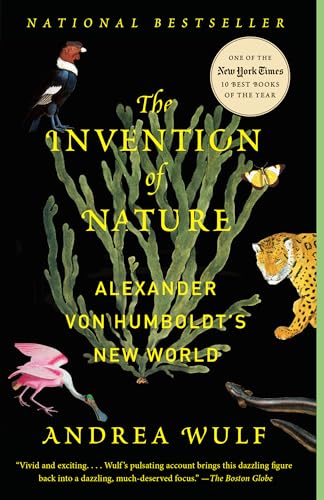
The Invention of Nature: Alexander von Humboldt's New World by Andrea Wulf

The Invention of Nature: Alexander von Humboldt's New World

by Andrea Wulf

star4.5

Wulf resurrects Alexander von Humboldt, the nineteenth-century Prussian polymath whose Andean expeditions and Cosmos redefined nature as a single interconnected web of life. The book follows Humboldt's influence through Darwin, Thoreau, Muir, Marsh, and Haeckel to show how his 'invention of nature' seeded modern ecology and environmentalism.

sciencehistory
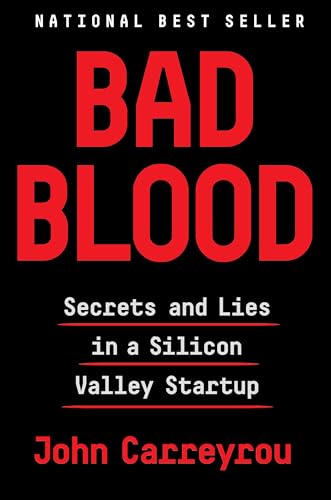
Bad Blood by John Carreyrou

Bad Blood

by John Carreyrou

star4.4

Carreyrou exposes how Theranos built a multibillion-dollar fraud on a blood-testing device that never worked. A gripping account of deception, intimidation, and Silicon Valley credulity.

historybusiness
The Anarchy by William Dalrymple

The Anarchy

by William Dalrymple

star4.4

Dalrymple chronicles how the East India Company, a single corporation, conquered the Mughal Empire through military force and political manipulation. Corporate imperialism at its origin.

history
Valley of Genius: The Uncensored History of Silicon Valley (As Told by the Hackers, Founders, and Freaks Who Made It Boom) by Adam Fisher

Valley of Genius: The Uncensored History of Silicon Valley (As Told by the Hackers, Founders, and Freaks Who Made It Boom)

by Adam Fisher

star4.4

Fisher assembles an oral history of Silicon Valley from over 200 first-person interviews, stitching together the stories of Atari, Apple, Xerox PARC, Netscape, Google, PayPal, Facebook, and Twitter in the protagonists' own unedited words. The book argues that the Valley's culture - counterculture roots, hacker ethos, and chaotic collaboration - is inseparable from its technical output, and that the innovators themselves disagree wildly about what actually happened.

businesstechnology
The Ride of a Lifetime by Robert Iger

The Ride of a Lifetime

by Robert Iger

star4.3

Iger shares the principles that guided Disney's acquisitions of Pixar, Marvel, and Lucasfilm. His core leadership lessons: pursue big bets with courage, treat people with fairness, and embrace innovation.

businesshistory
Rubicon by Tom Holland

Rubicon

by Tom Holland

star4.3

Holland narrates the fall of the Roman Republic, where ambition and military glory destroyed the system that produced them. Caesar's Rubicon crossing capped a century of erosion.

history
1491 by Charles C. Mann

1491

by Charles C. Mann

star4.3

Mann argues pre-Columbian Americas were far more populated and ecologically managed than traditionally believed. Indigenous peoples actively shaped their landscapes through fire and agriculture.

historyscience
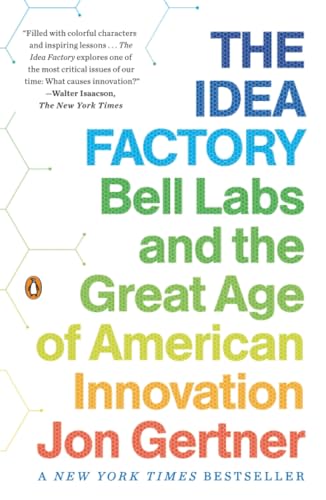
The Idea Factory by Jon Gertner

The Idea Factory

by Jon Gertner

star4.3

Gertner chronicles Bell Labs, the institution behind the transistor, laser, and information theory. The secret: brilliant minds in one place with freedom alongside practical goals.

historytechnology
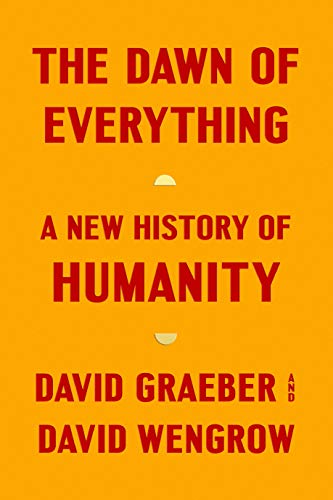
The Dawn of Everything by David Graeber and David Wengrow

The Dawn of Everything

by David Graeber and David Wengrow

star4.3

Graeber and Wengrow set out to dismantle the linear progress narrative shared by popular big-history books, arguing that prehistoric humans experimented with radically varied forms of social organisation rather than marching inexorably from egalitarian bands to hierarchical states. Drawing on recent archaeology, they attack the Hobbes-vs-Rousseau framing and insist that inequality was a choice, not an inevitability of scale.

historyanthropology
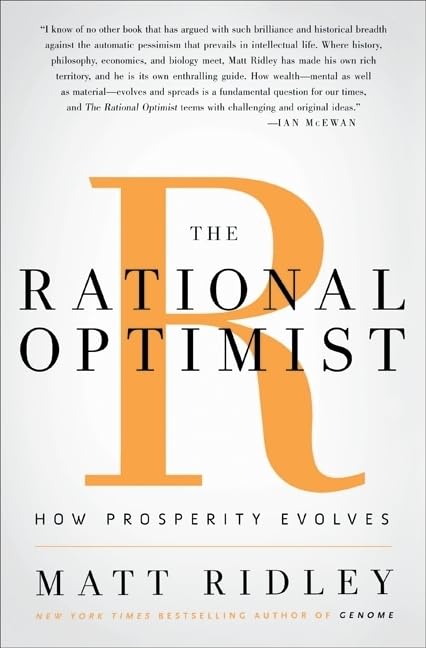
The Rational Optimist by Matt Ridley

The Rational Optimist

by Matt Ridley

star4.3

Ridley argues that prosperity emerges from the exchange and recombination of ideas, which he calls 'ideas having sex,' and that specialization and trade have driven cumulative human improvement since the Stone Age. He uses this framework to mount an empirical case for optimism about future living standards, innovation, and resource use.

historyeconomics
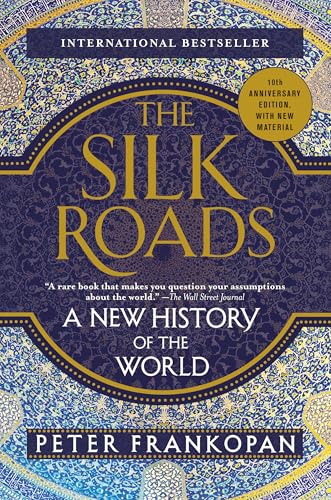
The Silk Roads: A New History of the World by Peter Frankopan

The Silk Roads: A New History of the World

by Peter Frankopan

star4.3

Frankopan relocates the centre of world history from Europe to the lands between East and West, arguing that the Silk Roads of Central Asia have been the true pivot of global exchange, conquest, and power for two thousand years. He traces how silk, spices, slaves, faiths, and ideas flowed along these routes, shaping empires from the Persians to the Mongols to today's resurgent Asia, and why the region is once again becoming the world's strategic heart.

historygeopolitics
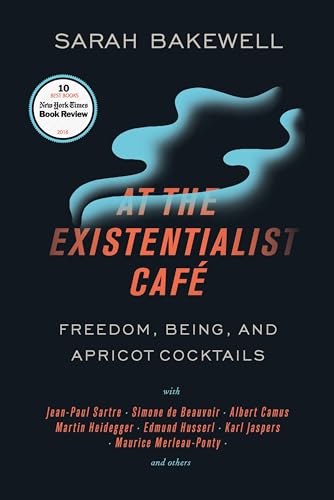
At the Existentialist Cafe by Sarah Bakewell

At the Existentialist Cafe

by Sarah Bakewell

star4.2

Bakewell tells existentialism's story through Sartre, de Beauvoir, Heidegger, and Camus - inseparable from the cafes, friendships, and political crises that shaped it.

philosophyhistory
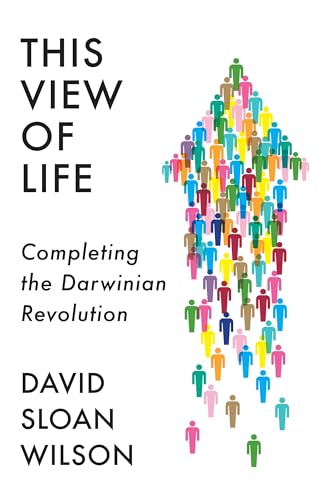
This View of Life by David Sloan Wilson

This View of Life

by David Sloan Wilson

star4.2

Wilson argues that Darwinian evolution has only been half-completed: applied systematically to biology but still resisted in the study of culture, policy, and everyday life. Drawing on multilevel selection theory, he contends that prosocial behavior is selected at the group level and proposes evolutionary design as a tool for consciously improving schools, cities, and economies.

philosophypsychology
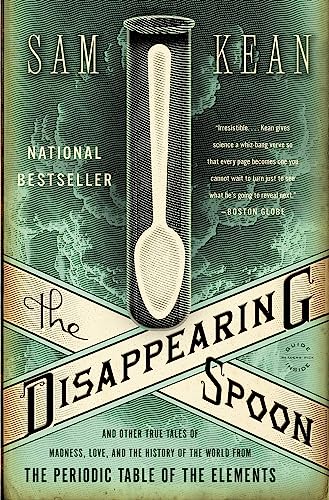
The Disappearing Spoon: And Other True Tales of Madness, Love, and the History of the World from the Periodic Table of the Elements by Sam Kean

The Disappearing Spoon: And Other True Tales of Madness, Love, and the History of the World from the Periodic Table of the Elements

by Sam Kean

star4.2

Kean walks through the periodic table element by element, telling the human stories behind each square: Marie Curie and radium, Lise Meitner and fission, Seaborg and the transuranics, gallium spoons that melt in tea. The result is a history of science told as a series of chemical biographies.
sciencechemistry
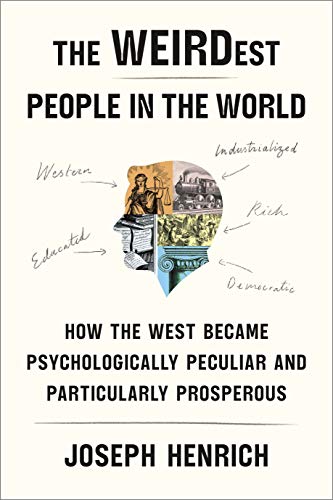
The WEIRDest People in the World: How the West Became Psychologically Peculiar and Particularly Prosperous by Joseph Henrich
The WEIRDest People in the World: How the West Became Psychologically Peculiar and Particularly Prosperous

by Joseph Henrich

star4.13

Henrich reveals that people from Western, Educated, Industrialized, Rich, and Democratic societies are psychological outliers, not the human norm. He traces how the medieval Catholic Church's marriage policies dissolved kinship networks, fostering the individualism, analytical thinking, and impersonal trust that drove Western institutional development and economic prosperity.

anthropologypsychology
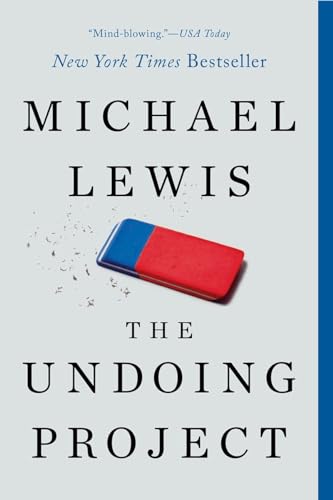
The Undoing Project by Michael Lewis

The Undoing Project

by Michael Lewis

star4.1

Lewis chronicles Kahneman and Tversky's partnership, whose research revealed systematic errors in human judgement. Their work rewrote our understanding of how minds actually work under uncertainty.

psychologyhistory
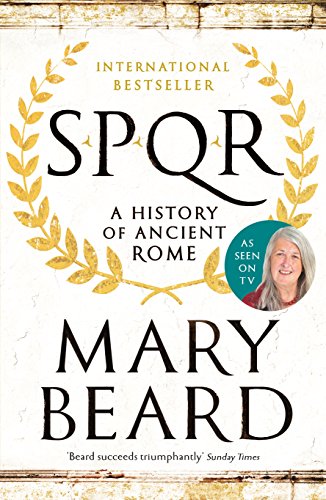
SPQR by Mary Beard

SPQR

by Mary Beard

star4.1

Beard challenges the mythology of Roman greatness, spanning a thousand years to show Rome's real story is one of constant reinvention and fiercely contested identity.

history
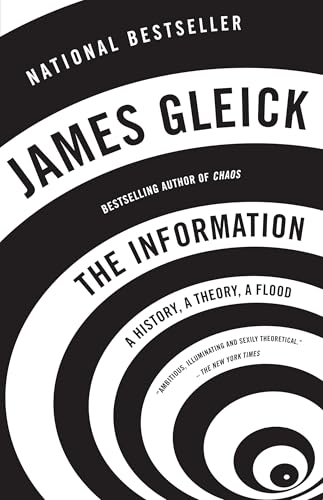
The Information: A History, a Theory, a Flood by James Gleick

The Information: A History, a Theory, a Flood

by James Gleick

star4.1

Gleick traces the idea of information from African talking drums and written alphabets through Babbage's engines and Shannon's information theory to today's digital flood. He shows how 'information' became a measurable physical quantity that underlies communication, computation, genetics, and even our models of physical law.

sciencetechnology