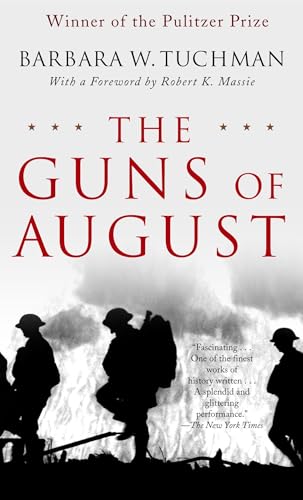
The Guns of August
by Barbara W. Tuchman
star4.2
Tuchman reconstructs WWI's first month, showing how rigid war plans and national pride turned a crisis into catastrophe. The tragedy was a cascade of avoidable errors.
- Published:
- Pages:
- 511
by Barbara W. Tuchman
Tuchman reconstructs WWI's first month, showing how rigid war plans and national pride turned a crisis into catastrophe. The tragedy was a cascade of avoidable errors.
In this collection, The Guns of August references 1 other book and is cited by 9 other books.
It draws on The Rise and Fall of the Third Reich.
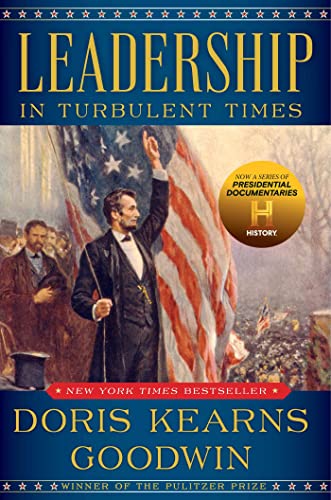
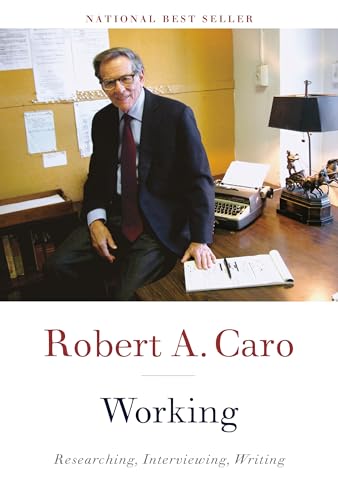
It’s picked up by Team of Rivals: The Political Genius of Abraham Lincoln, Leadership in Turbulent Times and Working: Researching, Interviewing, Writing and 6 others.
Scroll down to read the exact passages where other authors reference this book and what they say about it.
The Guns of August is regarded as a masterwork of narrative history, and its influence on subsequent historians is hard to overstate. Robert Caro directly credits it in Working as the book that showed him what narrative history could be, and Doris Kearns Goodwin has publicly cited it as the model for dramatic historical writing that shaped her biographical method across both Team of Rivals and Leadership in Turbulent Times. Christopher Clark wrote The Sleepwalkers as an explicit revision, replacing Tuchman's emphasis on German aggression with a more diffuse account of shared responsibility.
Isabel Wilkerson adopted Tuchman's method of grounding history in primary interviews and archival research for The Warmth of Other Suns. Readers praise its cinematic pacing and its power to make a century-old catastrophe feel urgent, though some modern historians argue its thesis assigns blame too narrowly. It remains the book historians recommend first to anyone wanting to understand how wars begin through cascading errors.
The books Tuchman references and why each one mattered to the argument.
Tuchman connects WWI's opening month to Germany's militaristic culture documented by Shirer.
The exact passages where other authors bring up “The Guns of August” and what they take from it.
Goodwin has publicly credited Tuchman's Guns of August as the model for dramatic historical narrative that shaped her biographical method
Goodwin again invokes Tuchman's narrative model, applying Guns of August's emphasis on decision-making under pressure to her four presidents
Caro directly credits Tuchman's Guns of August as the book that showed him what narrative history could be, a founding influence he returns to in Working
Shares Tuchman's Guns of August method of narrative history grounded in primary interviews, letters, and archival research rather than top-down synthesis
Picks up where Tuchman's Guns of August left off, tracing how the twentieth-century cycle of European war she diagnosed finally broke only after 1945
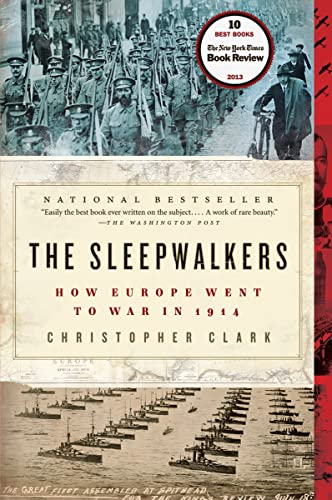
Directly revises Tuchman's Guns of August, replacing her narrative of German aggression and fatal mobilization timetables with a diffuse account of shared responsibility across all capitals
How ideas flow through the citation network. Ancestors are books this title builds on; descendants are books that build on it.
Directly cites
Directly cited by
2 steps forward
Books from completely different categories that share citation overlap with this one. These are the reads you would not find by browsing a single shelf.
Books with the highest citation overlap within the same categories.
The Lessons of History
Will Durant
7 shared citations
The Rise and Fall of the Third Reich
William Shirer
4 shared citations
Why Nations Fail
Daron Acemoglu and James A. Robinson
3 shared citations
Team of Rivals: The Political Genius of Abraham Lincoln
Doris Kearns Goodwin
3 shared citations
Meditations
Marcus Aurelius
2 shared citations
The Soul of a New Machine
Tracy Kidder
1 shared citationThis book and its direct connections. Hover a node to see its title, click to visit.
Hover a node to highlight its connections. Click to open the book page. Node size reflects total citation links.