Reading Guide

Write Better

From blank page to polished prose, one craft lesson at a time

Writing well is not about talent or inspiration; it is about understanding how language works on the human brain, learning the structural principles that make stories and arguments compelling, and then sitting down to do the work every day. This guide starts with the craft and psychology of writing, moves into the science of narrative and style, and finishes with the creative mindset that sustains a writing life. The sequence is deliberate: technique first, then structure, then the habits that keep you going.

Who is this for

This guide is for anyone who writes and wants to do it better, whether you are working on a novel, nonfiction book, blog, screenplay, or professional documents. It is especially useful for people who have been writing for a while but feel stuck at a plateau. You do not need any formal training; you just need the willingness to treat writing as a learnable craft rather than a mysterious talent.

Time to complete

About 7 weeks at one book per week

Prerequisites

None, but having a writing project in progress will help you apply each lesson immediately

Phase 1: Learn the Craft

Before you worry about structure or style, you need to understand what the daily practice of writing actually looks like. These books teach the fundamentals of sitting down, doing the work, and surviving the inevitable doubt.

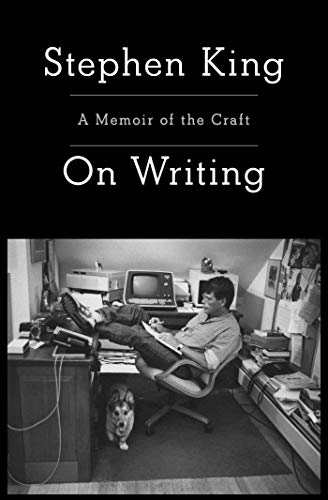
  1. On Writing: A Memoir of the Craft1

    On Writing: A Memoir of the Craft

    by Stephen King

    King's memoir and writing manual is the best single book on what it means to live as a writer. The first half is autobiography that shows how a working class kid became one of the most prolific authors alive; the second half is practical, opinionated craft advice. Starting here sets the right tone: writing is hard work, not magic, and the toolbox is available to anyone willing to fill it.

    Key takeaway

    Write with the door closed (first draft for yourself) and rewrite with the door open (second draft for the reader). The most important writing tool is a regular daily practice, not inspiration.
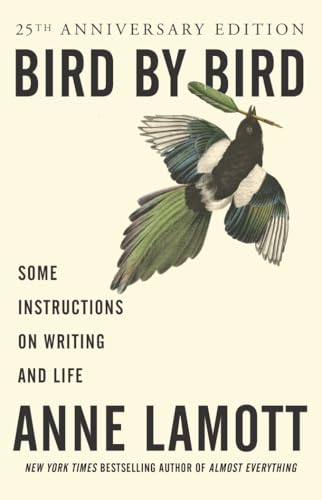
  2. Bird by Bird: Some Instructions on Writing and Life2

    Bird by Bird: Some Instructions on Writing and Life

    by Anne Lamott

    Lamott covers the emotional side of writing that King only touches on: perfectionism, self doubt, jealousy, and the terror of the blank page. Her concept of the "shitty first draft" has liberated more blocked writers than any other single piece of advice. Reading this second gives you permission to write badly, which is the only way to eventually write well.

    Key takeaway

    All good writing begins as bad writing. Give yourself permission to produce rough, messy first drafts, because you cannot edit a blank page.

Phase 2: Master Structure and Story

Good writing is not just about sentences; it is about architecture. These books teach you how to build narratives that hold a reader's attention from the first page to the last, whether you are writing fiction, nonfiction, or screenplays.

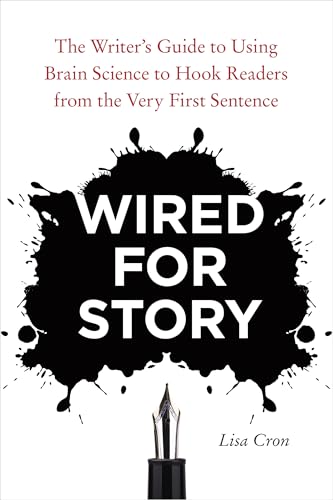
  1. Wired for Story: The Writer's Guide to Using Brain Science to Hook Readers from the Very First Sentence3

    Wired for Story: The Writer's Guide to Using Brain Science to Hook Readers from the Very First Sentence

    by Lisa Cron

    Cron draws on neuroscience to explain why humans are wired for story, what the brain is actually doing when it processes a narrative, and how to exploit that wiring as a writer. It is the most science grounded writing book in this guide and provides a framework that applies to every genre. It bridges the gap between craft intuition and cognitive science.

    Key takeaway

    Readers do not care about what happens; they care about how what happens affects someone. Story is not about events but about the internal struggle of a character navigating those events.

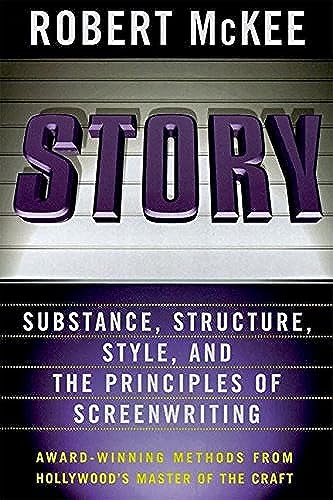
  2. Story: Substance, Structure, Style, and the Principles of Screenwriting4

    Story: Substance, Structure, Style, and the Principles of Screenwriting

    by Robert McKee

    McKee's comprehensive guide to story structure is dense and demanding, but it contains more actionable insight per page than almost any other book on narrative craft. Originally written for screenwriters, its principles apply equally to novels, nonfiction, and any form that relies on sustained narrative tension. Reading it after Cron means you arrive already understanding why structure matters at a neurological level.

    Key takeaway

    Story is about the gap between expectation and result; every scene must turn, meaning the value at stake must change from positive to negative or vice versa, or the audience will disengage.

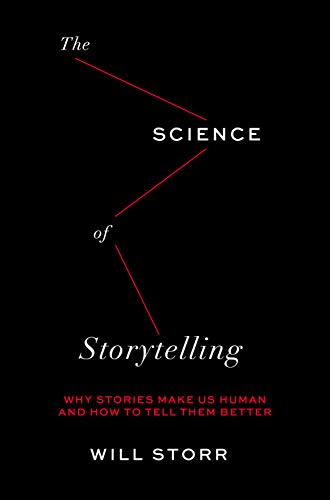
  3. The Science of Storytelling: Why Stories Make Us Human, and How to Tell Them Better5

    The Science of Storytelling: Why Stories Make Us Human, and How to Tell Them Better

    by Will Storr

    Storr combines the neuroscience of storytelling with practical advice for writers, covering how the brain creates meaning from narrative, what makes characters compelling, and why certain story structures are psychologically irresistible. It is the most recent book in this section and synthesises insights from cognitive science that the older books could not access. It completes the structural toolkit by connecting story mechanics to reader psychology.

    Key takeaway

    The most powerful stories work because they exploit the brain's deep need to resolve uncertainty and make sense of cause and effect; understanding this mechanism is the key to writing stories that feel inevitable.

Phase 3: Refine Style and Sustain Creativity

With craft foundations and structural understanding in place, you can now focus on the finer points of style and on building the creative habits that sustain a lifetime of writing.

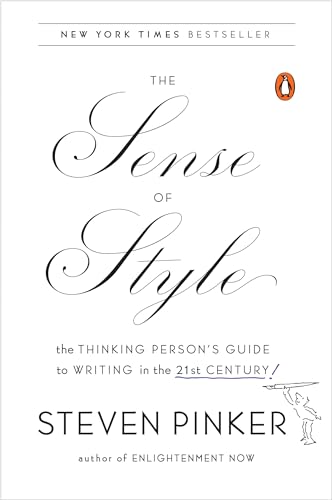
  1. The Sense of Style: The Thinking Person's Guide to Writing in the 21st Century6

    The Sense of Style: The Thinking Person's Guide to Writing in the 21st Century

    by Steven Pinker

    Pinker, a linguist and cognitive scientist, writes the definitive guide to clear, elegant prose style. Unlike prescriptive grammar guides, this book explains the cognitive reasons behind style choices, helping you understand why some sentences are easy to parse and others are not. It belongs in the refinement phase because style advice is only useful once you have something to revise.

    Key takeaway

    Good prose is not about following rules; it is about understanding how the reader's mind processes language and making choices that minimise unnecessary cognitive effort.

  2. The Creative Act: A Way of Being7

    The Creative Act: A Way of Being

    by Rick Rubin

    Rubin's meditation on the creative process is deliberately placed last because it is less about technique and more about the mindset that produces great work over a lifetime. It covers how to find and trust your creative instincts, how to know when a piece is finished, and how to maintain creative vitality across years of work. It is the philosophical capstone to a guide that is otherwise very practical.

    Key takeaway

    Creativity is not something you do; it is a way of paying attention to the world. The artist's job is to notice what others miss and to have the discipline to capture it faithfully.

Common mistakes to avoid

  • Do not spend more time reading about writing than actually writing; set a rule that for every hour you spend on craft books, you spend at least two hours producing your own work.

  • Avoid treating any single author\'s advice as gospel; King and McKee disagree on many points, and the truth is that different approaches work for different writers and different projects.

  • Do not skip Bird by Bird because it looks lightweight; the emotional and psychological barriers to writing are as real as the technical ones, and Lamott addresses them more honestly than anyone.

  • Beware of applying screenwriting structure too rigidly to other forms; McKee and Snyder are invaluable for understanding narrative architecture, but novels and essays have their own rhythms.

  • Do not wait for inspiration or the perfect conditions to write; every book in this guide agrees that consistent daily practice matters more than occasional bursts of genius.

How to work through this guide

If you read only two books from this guide, make them On Writing and The Science of Storytelling. King teaches you the daily practice and Storr teaches you the underlying principles. You can skip Story if you are not working on long form narrative, but return to it if you ever tackle a novel or screenplay. The Sense of Style is most valuable during revision, so consider reading it when you have a complete draft in hand rather than when you are still generating material. The single most useful habit you can take from this entire guide is writing every day, even badly, because consistency compounds in ways that talent alone never does.

BookGraph is an Amazon Associate. If you buy through the links above we may earn a small commission at no extra cost to you. All book selections and editorial reasoning are our own.

Other Reading Guides