Extends Durant's Lessons of History approach, drawing patterns across civilizations to show how caste structures recur under different ideological covers
Goal
How did we get here? What shaped the world I live in?
Big-picture history and civilisation books other authors keep in their bibliographies.
The conversation
15 passagesThe exact passages where one book references another on this topic. These are the connections, not our commentary.
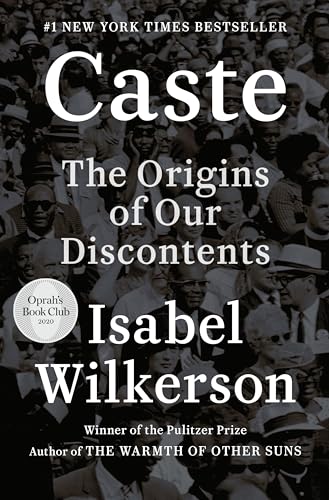
Parallels Harari's Sapiens as a grand synthesis of human history, but replaces Harari's cognitive-revolution frame with a geographic one centreed on the Silk Roads as the true arteries of civilization
Echoes Durant's Lessons of History on the rise and fall of civilizations, applying that long-wave lens specifically to the Eurasian heartland Durant treated only in passing
Instantiates Durant's Lessons of History claim that nomadic peoples have repeatedly revitalized sedentary civilizations, with Genghis Khan as the archetypal case
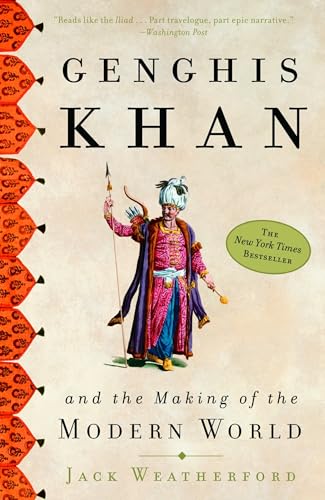
Enacts Durant's Lessons of History on a continental scale, using sixty years of European experience to draw lessons about welfare states, empires, and the wages of forgetting

Illustrates Durant's Lessons of History observation that freedom and power are perpetually in tension, by tracing how Leopold exploited the rhetoric of civilization to cloak industrial-scale brutality
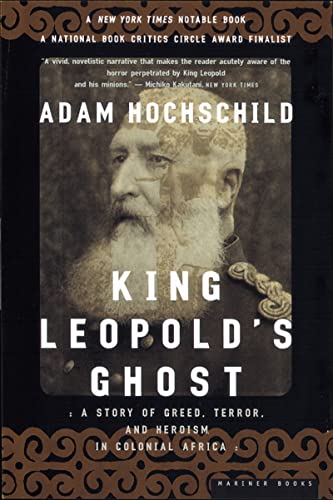
Tests Durant's Lessons of History argument about the persistence of barbarism within civilization, using postwar Europe as the crucial twentieth-century case
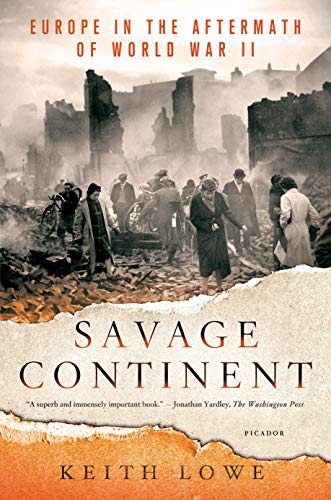
Enacts Durant's Lessons of History on the long arc of imperial rise and decline, tracing the Ottomans from frontier warriors through world-empire to dissolution
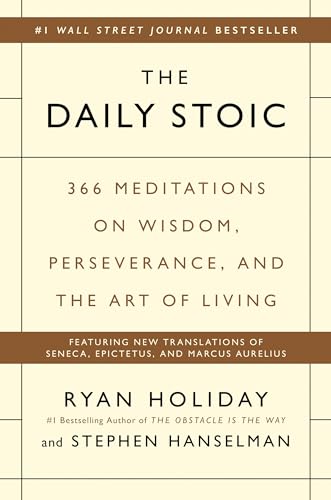
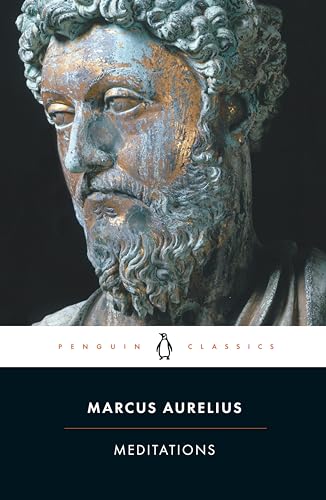
The Daily Stoic is structured as 366 daily meditations, drawing its core philosophy directly from Marcus Aurelius. Each entry translates ancient Stoic wisdom into modern practical guidance.
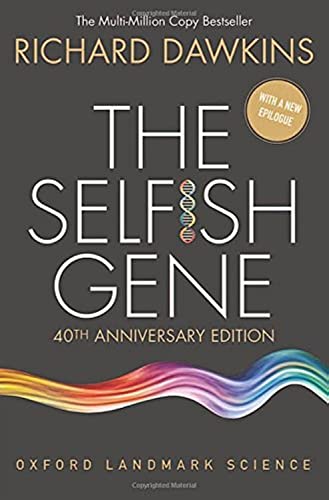
Mukherjee traces the intellectual history of the gene, positioning Dawkins's gene-centric view of evolution as a pivotal turning point that reframed our understanding of heredity and natural selection.
Greene lists Hawking's Brief History in Further Reading.

Sagan references Hawking's A Brief History of Time as model science communication.

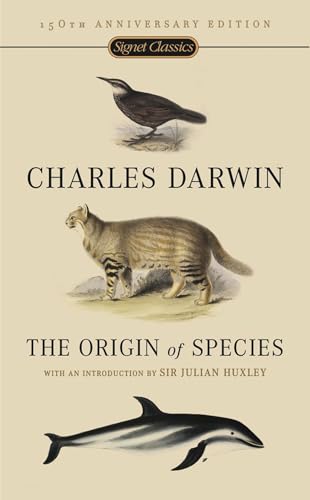
Durant references Darwin's evolutionary theory on civilisational forces.
Rovelli references Hawking's A Brief History of Time.
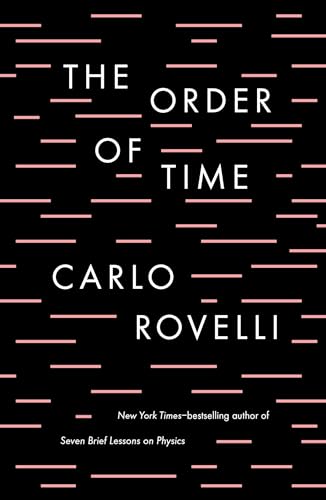
Graeber and Wengrow dedicate pages to contesting Pinker's Better Angels, disputing his claim that prehistoric life was uniformly violent and picking apart his use of Yanomami and Gebusi ethnographic anecdotes.
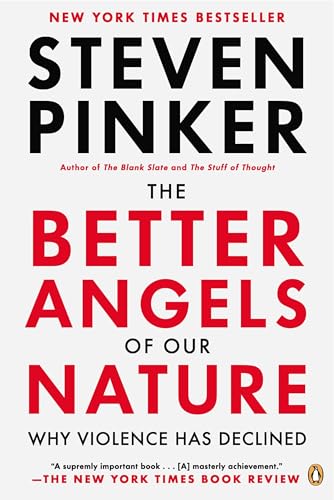
Books in this conversation
12Books that appear most often in citations on this topic, or that other authors reference when writing about it.
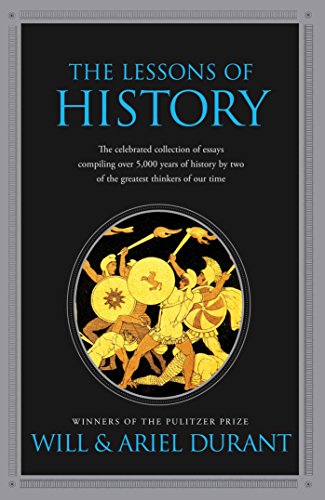
The Lessons of History
by Will Durant
Referenced in 22 citations on this topic

A Brief History of Time
by Stephen Hawking
Referenced in 7 citations on this topic
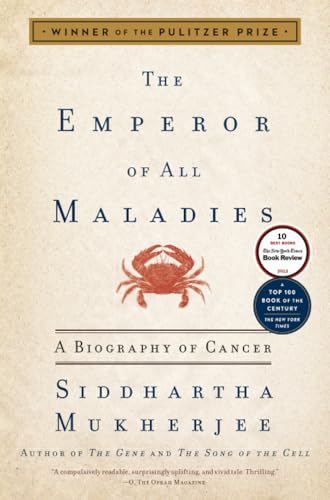
The Emperor of All Maladies
by Siddhartha Mukherjee
Referenced in 3 citations on this topic
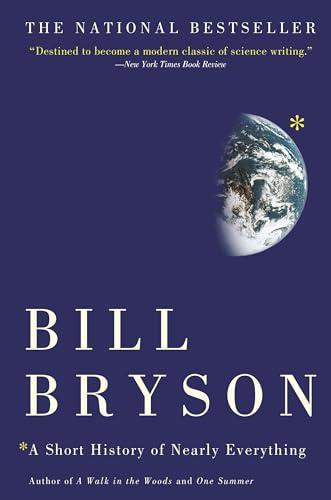
A Short History of Nearly Everything
by Bill Bryson
Referenced in 3 citations on this topic
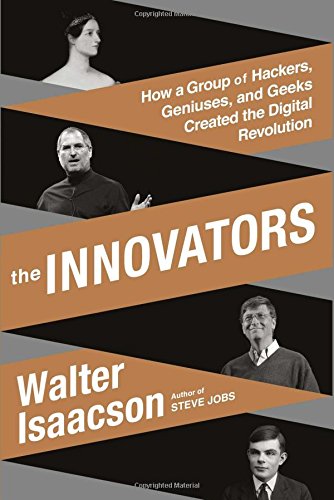
The Innovators
by Walter Isaacson
Referenced in 3 citations on this topic
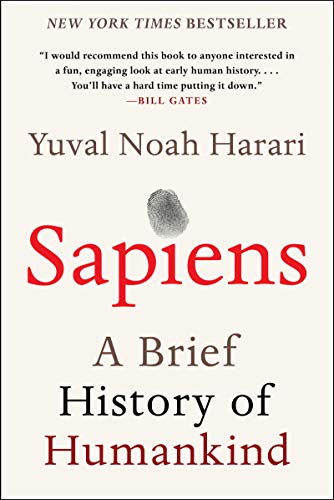
Sapiens
by Yuval Noah Harari
Referenced in 3 citations on this topic
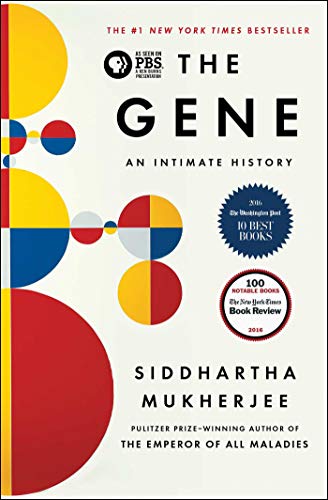
The Gene
by Siddhartha Mukherjee
Referenced in 2 citations on this topic
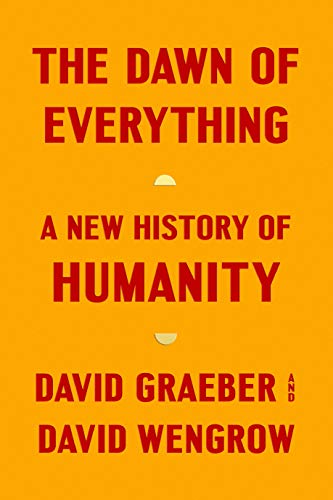
The Dawn of Everything
by David Graeber and David Wengrow
Referenced in 2 citations on this topic
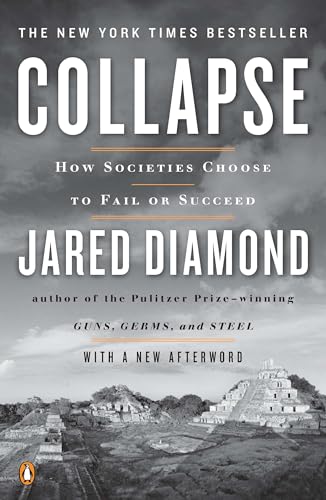
Collapse
by Jared Diamond
Referenced in 2 citations on this topic
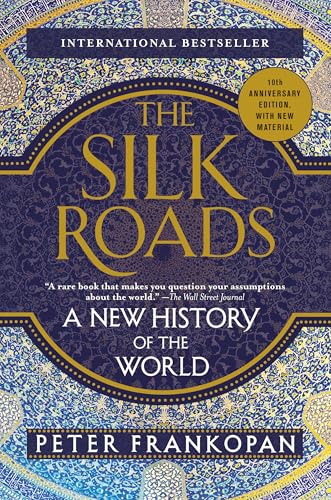
The Silk Roads: A New History of the World
by Peter Frankopan
Referenced in 2 citations on this topic
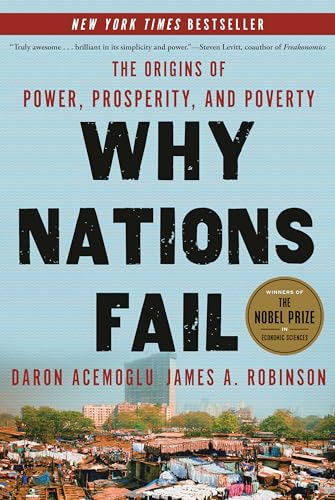
Why Nations Fail
by Daron Acemoglu and James A. Robinson
Referenced in 2 citations on this topic
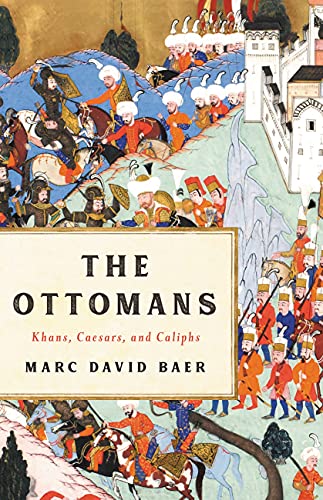
The Ottomans: Khans, Caesars, and Caliphs
by Marc David Baer
Referenced in 2 citations on this topic