Reading Guide

Build Financial Wisdom

Think about money the way the best investors do

Financial literacy is not taught in schools, and most financial advice is thinly disguised sales. These books cut through the noise by focusing on psychology, behaviour, and mental models rather than specific tactics. Together they form a working framework for financial decisions across a lifetime.

Who is this for

Anyone who earns money and wants to keep more of it. Not a get-rich-quick reading list. These books will not tell you which stocks to buy. They will change how you think about financial decisions for the rest of your life, which is more valuable.

Time to complete

About 5 weeks. Housel and Kiyosaki are fast reads. Marks requires slower, more careful attention.

Prerequisites

No financial knowledge required. The first book assumes you know nothing.

Psychology First

Before you learn any financial technique, understand why smart people consistently make terrible decisions with money. The answer is almost always psychological, not mathematical.

  1. The Psychology of Money1

    The Psychology of Money

    by Morgan Housel

    Start here. Housel presents 20 short essays on the behavioural side of money. His core insight: financial success is not about what you know but about how you behave. The book is deliberately accessible and assumes no financial background.

    Key takeaway

    Wealth is what you do not spend. Compounding works but only if you give it decades. The most important financial skill is not analytical but emotional: the ability to keep doing the boring, unsexy thing for a very long time.

  2. Rich Dad Poor Dad2

    Rich Dad Poor Dad

    by Robert Kiyosaki

    A complementary mindset book about the difference between earning income and building assets. Kiyosaki's framework (assets put money in your pocket, liabilities take money out) is simplistic but sticky. Read for the mental model, not the specific advice.

    Key takeaway

    The wealthy do not work for money. They acquire assets that generate income. The key distinction is between assets (things that put money in your pocket) and liabilities (things that take money out), regardless of what accountants call them.

Thinking Like an Investor

Now apply that psychological foundation to actual investing decisions. These books come from a professional investor and teach you to think about risk, value, and time.

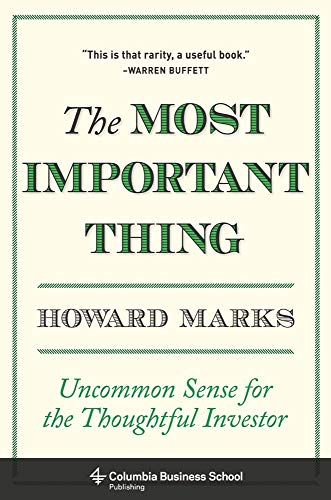
  1. The Most Important Thing: Uncommon Sense for the Thoughtful Investor3

    The Most Important Thing: Uncommon Sense for the Thoughtful Investor

    by Howard Marks

    Where the list turns serious. Marks explains how to think about risk and value in language a beginner can follow. His key insight: the most dangerous thing in investing is not being wrong but being right for the wrong reasons, because it teaches you bad habits.

    Key takeaway

    Investment success comes from "second-level thinking": not "this is a good company" but "this is a good company and the price already reflects that, so is it still a good investment?" Always ask what is already priced in.

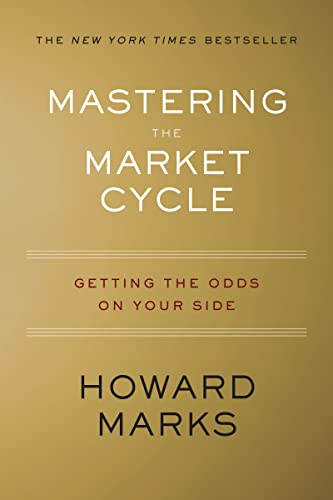
  2. Mastering the Market Cycle: Getting the Odds on Your Side4

    Mastering the Market Cycle: Getting the Odds on Your Side

    by Howard Marks

    Goes deeper on cycles. Marks argues that most investment losses come from failing to recognise where you are in a cycle and mistaking a temporary trend for a permanent change. Pairs perfectly with the previous book.

    Key takeaway

    Markets move in cycles. When everyone is optimistic, be cautious. When everyone is fearful, be interested. The key is not predicting cycles (nobody can) but recognising where you are in one and adjusting your behaviour accordingly.

Humility and Randomness

The final step is understanding how much of financial success is luck rather than skill. This prevents overconfidence, which is the most expensive emotion in investing.

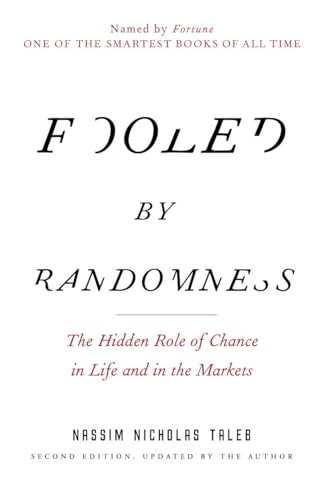
  1. Fooled by Randomness5

    Fooled by Randomness

    by Nassim Nicholas Taleb

    A philosophical capstone on luck, randomness, and survivorship bias. Taleb argues that we systematically overestimate skill and underestimate luck in financial markets. Read last, when the more constructive books have given you something to push against.

    Key takeaway

    Do not confuse luck with skill. A trader who makes money in a bull market is not necessarily talented. Survivorship bias means we only study winners, which makes success look more replicable than it is. Build for resilience, not optimisation.

Common mistakes to avoid

  • Looking for specific investment recommendations in these books. They are about how to think, not what to buy.

  • Starting with Taleb. His writing style is combative and he assumes familiarity with the other perspectives. Read him last.

  • Confusing frugality with wisdom. Housel and Taleb both argue for spending below your means, but not for deprivation. The goal is optionality, not austerity.

  • Ignoring the emotional component. Most financial mistakes are emotional, not analytical. If you do not address your relationship with money (the anxiety, the status signalling, the fear), no amount of financial education will help.

How to work through this guide

No book on this list will tell you which stocks to buy. That is the point. Read them in order and you will leave with a much stronger filter for the financial advice you encounter for the rest of your life. The single most valuable thing these books teach is patience: the understanding that wealth is built over decades, not days, and that the boring strategy usually wins.

BookGraph is an Amazon Associate. If you buy through the links above we may earn a small commission at no extra cost to you. All book selections and editorial reasoning are our own.

Other Reading Guides