
Simon Sinek
Author, Motivational Speaker
Simon Sinek is a British-American author and motivational speaker. His TED talk on "Start with Why" is the third most watched of all time with over 60 million views.
- 4
- Books Written
- 6
- Books Recommended
Author, Motivational Speaker
Simon Sinek is a British-American author and motivational speaker. His TED talk on "Start with Why" is the third most watched of all time with over 60 million views.

by Simon Sinek
Sinek argues that inspiring leaders and organisations start by communicating why they exist, not what they do. Purpose drives loyalty in ways that features and benefits cannot.

by Simon Sinek
Sinek contrasts finite games played to win with infinite games where the goal is to keep playing. Companies with an infinite mindset build trust and lasting purpose over short-term victories.

by Simon Sinek
Sinek argues that great leaders create a Circle of Safety so teams can focus on external threats rather than internal politics, and explains the behavior through four chemicals: endorphins, dopamine, serotonin, and oxytocin. He contrasts serotonin- and oxytocin-driven selfless cultures with the cortisol-soaked environments produced by fear-based management.
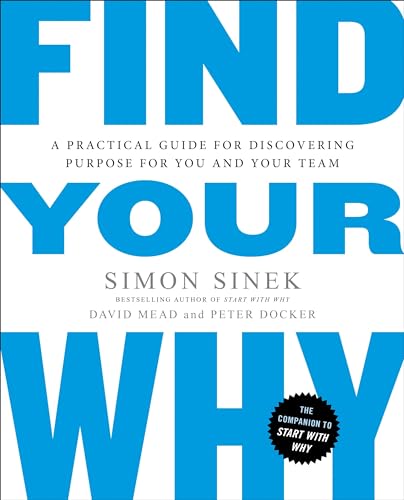
by Simon Sinek
Co-written with David Mead and Peter Docker, this is Sinek's explicit workbook companion to Start with Why, giving teams and individuals a step-by-step process to uncover their purpose through story-mining exercises. Sinek argues that purpose is not invented but discovered by pattern-matching the moments that already moved you.
The books Simon Sinek references, cites, and recommends most frequently.

by Jim Collins
Collins studied why some good companies become great and others do not. The answer: disciplined people, disciplined thought, and disciplined action, not bold transformation programmes.
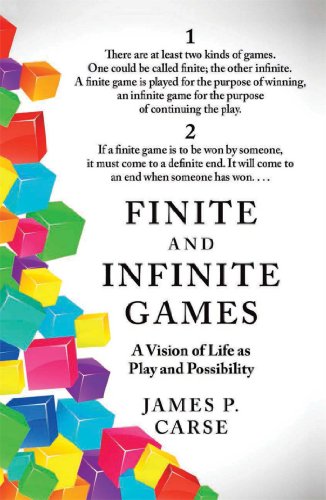
by James Carse
Carse distinguishes two types of games: finite games played to win, and infinite games played to keep playing. The most meaningful aspects of life operate by infinite-game rules.
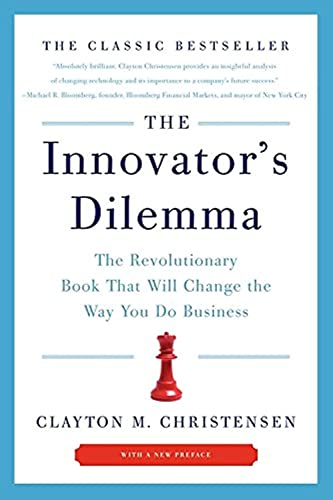
by Clayton Christensen
Christensen explains why successful companies fail: they rationally ignore disruptive innovations that initially serve small, unprofitable markets, until those markets overtake them entirely.

by Daniel Pink
Pink argues that autonomy, mastery, and purpose motivate people far more than money. The carrot-and-stick model is outdated and actively undermines creative performance.

by Charles Duhigg
Duhigg reveals the neurological loop behind every habit: cue, routine, reward. Understanding this cycle gives you the power to reshape behaviours at individual and organisational level.

by Patrick Lencioni
Lencioni uses a leadership fable to diagnose five interconnected failures that cripple teams: absence of trust, fear of conflict, lack of commitment, avoidance of accountability, and inattention to results.
Who Simon draws from, and who draws from Simon — aggregated across every book in this collection. Counts show the number of citation links, not the depth of each one.