JY

Jon Yablonski

Designer and Author

Jon Yablonski is an American designer who specialises in translating complex psychology principles into practical design guidance. He is the creator of the Laws of UX project and author of the book Laws of UX: Using Psychology to Design Better Products and Services.

1
Books Written
5
Books Recommended

Books by Jon Yablonski

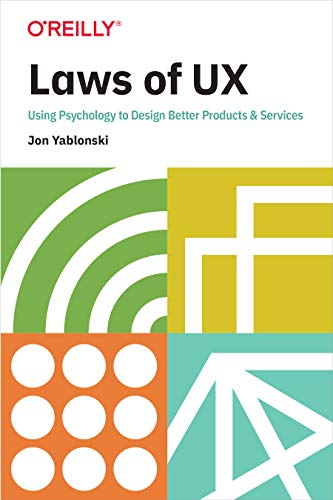
Laws of UX: Using Psychology to Design Better Products & Services by Jon Yablonski

Laws of UX: Using Psychology to Design Better Products & Services

by Jon Yablonski

star4.33

Laws of UX distills foundational psychological principles into actionable design guidelines, covering 21 laws organised across heuristics, Gestalt principles, and cognitive biases. Jon Yablonski translates research from Hick, Fitts, Miller, and Kahneman into practical frameworks that product designers can apply to create more intuitive interfaces. Each law is paired with real-world examples from popular digital products.

technologydesign

Most Recommended by Jon

The books Jon Yablonski references, cites, and recommends most frequently.

Thinking, Fast and Slow by Daniel Kahneman

Thinking, Fast and Slow

by Daniel Kahneman

star4.2

Kahneman reveals that our minds run on two systems: fast intuition and slow deliberation. Most errors in judgement come from trusting System 1 when the situation demands System 2's careful analysis.

psychology
Hooked by Nir Eyal

Hooked

by Nir Eyal

star4

Eyal maps the four-step loop, trigger, action, variable reward, investment, that makes products habit-forming. A practical blueprint for building (or recognising) addictive design.

technologybusiness
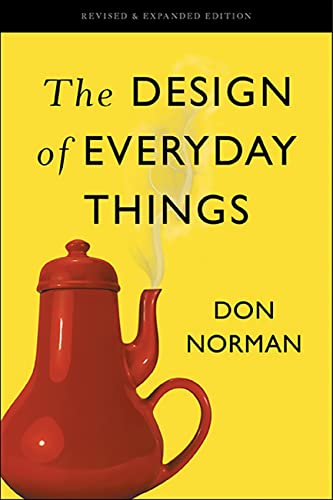
The Design of Everyday Things by Don Norman

The Design of Everyday Things

by Don Norman

star4.3

Norman reveals why badly designed objects frustrate us and how good design makes correct use intuitive. The principles, affordances, feedback, constraints, apply far beyond physical products.

technology
Nudge by Richard Thaler

Nudge

by Richard Thaler

star3.9

Thaler and Sunstein argue that small changes in how choices are presented, nudges, can dramatically improve decisions without restricting freedom. Choice architecture is a powerful tool for public policy and beyond.

psychologybusiness
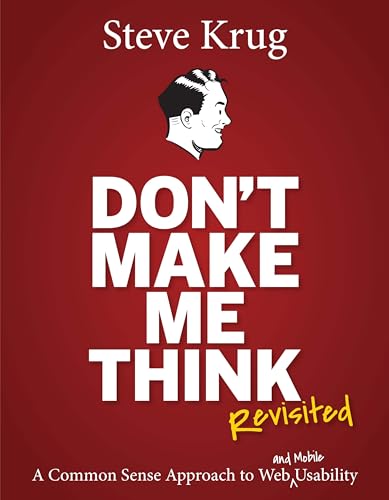
Don't Make Me Think by Steve Krug

Don't Make Me Think

by Steve Krug

star4.2

Krug argues that good web design is about eliminating thought, not adding features. Users scan, not read, so every page should be self-evident and require zero mental effort to navigate.

technology

Influence Map

Who Jon draws from, and who draws from Jon — aggregated across every book in this collection. Counts show the number of citation links, not the depth of each one.

Jon cites most often

  1. 1 link
  2. 1 link
  3. 1 link
  4. 1 link
  5. 1 link