NP

Neil Postman

Media Theorist, Author

Neil Postman (1931 to 2003) was an American author, educator, and media theorist who spent his career examining how communications technologies reshape culture and thought. His best known work, Amusing Ourselves to Death, argued that television was trivialising public discourse, while Technopoly warned of a society surrendering its culture to technology. He founded the graduate programme in media ecology at New York University, where he taught for over four decades.

2
Books Written
4
Books Recommended

Books by Neil Postman

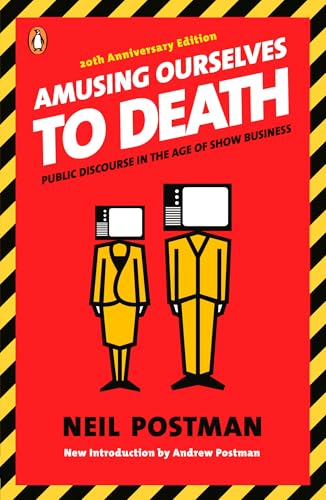
Amusing Ourselves to Death: Public Discourse in the Age of Show Business by Neil Postman

Amusing Ourselves to Death: Public Discourse in the Age of Show Business

by Neil Postman

star4.16

A prescient critique arguing that television has transformed public discourse into entertainment, degrading politics, education, religion, and journalism into shallow spectacle. Postman contrasts Orwell's fear of authoritarian censorship with Huxley's vision of a populace pacified by pleasure, concluding that Huxley's dystopia more accurately describes modern America.

mediaculture
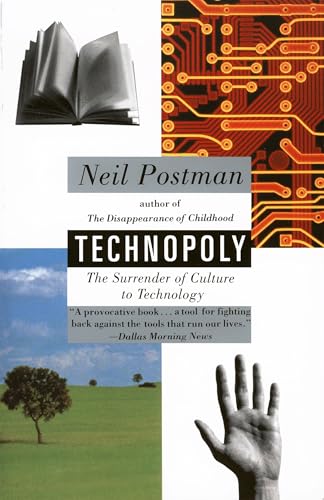
Technopoly: The Surrender of Culture to Technology by Neil Postman

Technopoly: The Surrender of Culture to Technology

by Neil Postman

star3.97

Postman traces how Western civilization evolved from tool-using cultures to technocracies and finally to a 'technopoly' where technology dictates the purpose of life and overwhelms traditional sources of meaning. He argues that uncritical faith in technology has led to information glut, the devaluation of human judgement, and the surrender of culture to technical efficiency.

technologyculture

Most Recommended by Neil

The books Neil Postman references, cites, and recommends most frequently.

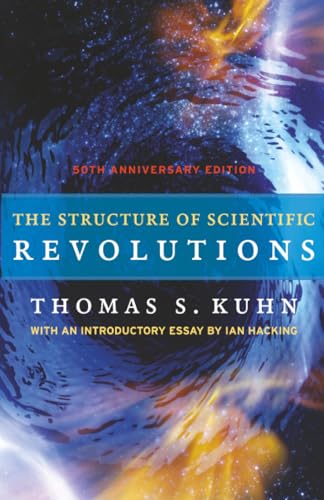
The Structure of Scientific Revolutions by Thomas Kuhn

The Structure of Scientific Revolutions

by Thomas Kuhn

star4

Kuhn argues that science doesn't progress through steady accumulation but through paradigm shifts - revolutionary breaks where the entire framework changes. Normal science solves puzzles until anomalies trigger a crisis.

sciencephilosophy
Influence by Robert Cialdini

Influence

by Robert Cialdini

star4.7

Cialdini identifies six universal principles of persuasion: reciprocity, commitment, social proof, authority, liking, and scarcity. Understanding these triggers explains why we say yes, and how others get us to comply.

psychologybusiness
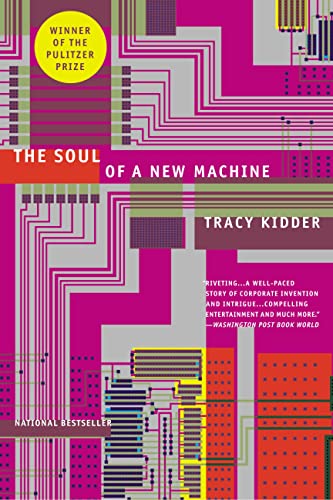
The Soul of a New Machine by Tracy Kidder

The Soul of a New Machine

by Tracy Kidder

star4.1

Kidder follows engineers at Data General racing to build a minicomputer under impossible deadlines. It's a portrait of how obsession and rivalry drive technological creation.

technology
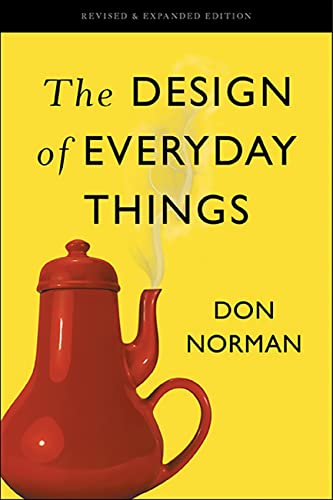
The Design of Everyday Things by Don Norman

The Design of Everyday Things

by Don Norman

star4.3

Norman reveals why badly designed objects frustrate us and how good design makes correct use intuitive. The principles, affordances, feedback, constraints, apply far beyond physical products.

technology

Influence Map

Who Neil draws from, and who draws from Neil — aggregated across every book in this collection. Counts show the number of citation links, not the depth of each one.

Neil cites most often

  1. 2 links
  2. 2 links
  3. 1 link
  4. 1 link

Authors who cite Neil most often

  1. 1 link