Daniel J. Siegel and Tina Payne Bryson

Daniel J. Siegel and Tina Payne Bryson

Psychiatrist, Author

Daniel J. Siegel is a clinical professor of psychiatry at the UCLA School of Medicine and codirector of the Mindful Awareness Research Centre. He and psychotherapist Tina Payne Bryson have coauthored bestselling books on child development, drawing on interpersonal neurobiology to help parents nurture their children's developing brains.

2
Books Written
5
Books Recommended

Books by Daniel J. Siegel and Tina Payne Bryson

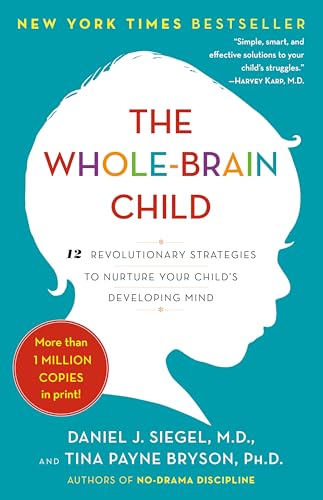
The Whole-Brain Child: 12 Revolutionary Strategies to Nurture Your Child's Developing Mind by Daniel J. Siegel and Tina Payne Bryson

The Whole-Brain Child: 12 Revolutionary Strategies to Nurture Your Child's Developing Mind

by Daniel J. Siegel and Tina Payne Bryson

star4.25

Siegel and Bryson translate cutting-edge neuroscience into practical parenting strategies, explaining how the upstairs brain responsible for decision-making remains under construction until the mid-twenties while the emotional right brain often dominates in young children. They offer twelve age-appropriate techniques for integrating different brain regions to help children develop emotional regulation, empathy, and resilience.

parentingneuroscience
No-Drama Discipline: The Whole-Brain Way to Calm the Chaos and Nurture Your Child's Developing Mind by Daniel J. Siegel and Tina Payne Bryson

No-Drama Discipline: The Whole-Brain Way to Calm the Chaos and Nurture Your Child's Developing Mind

by Daniel J. Siegel and Tina Payne Bryson

star4.26

Siegel and Bryson redefine discipline as teaching rather than punishment, showing how a child's neurological development should guide parental responses to misbehavior. They provide a whole-brain framework for connecting emotionally with a child during moments of distress before redirecting behavior, turning disciplinary encounters into opportunities for brain development and growth.

parentingneuroscience

Most Recommended by Daniel

The books Daniel J. Siegel and Tina Payne Bryson references, cites, and recommends most frequently.

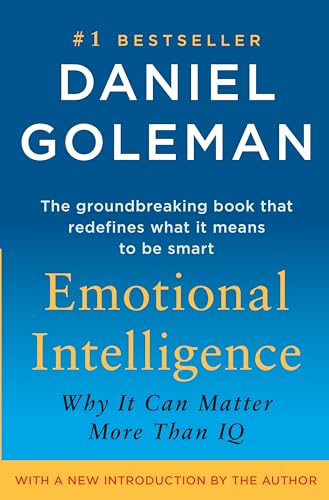
Emotional Intelligence by Daniel Goleman

Emotional Intelligence

by Daniel Goleman

star4

Goleman argues that EQ matters more than IQ for success. Self-awareness, empathy, and emotional regulation are skills that can be developed and that predict real-world outcomes.

psychologyself-help
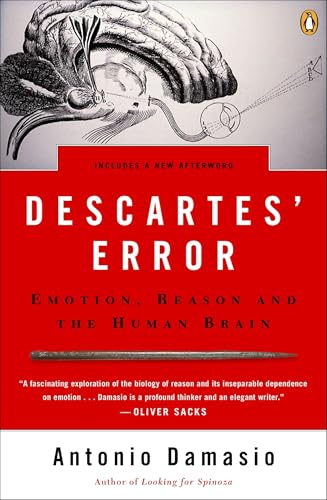
Descartes' Error by Antonio Damasio

Descartes' Error

by Antonio Damasio

star4.1

Damasio overturns the idea that reason and emotion are separate. His neuroscience research shows that feelings are essential to rational decision-making, not obstacles to it.

psychologyscience
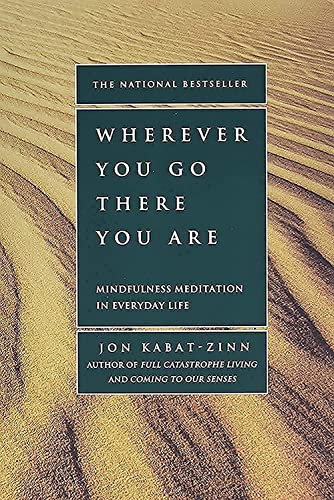
Wherever You Go, There You Are by Jon Kabat-Zinn

Wherever You Go, There You Are

by Jon Kabat-Zinn

star4.1

Kabat-Zinn presents mindfulness not as spiritual practice but as disciplined, non-judgemental attention to the present moment. Awareness itself is the foundation of healing and genuine living.

self-helpphilosophy
The Body Keeps the Score by Bessel van der Kolk

The Body Keeps the Score

by Bessel van der Kolk

star4.4

Van der Kolk reveals how trauma reshapes the brain and body, storing itself in physical sensations. Recovery requires approaches that engage the body, not just talk therapy.

psychologyscience
Mindset by Carol Dweck

Mindset

by Carol Dweck

star4.5

Dweck argues that believing talent is fixed leads to stagnation, while a growth mindset, the belief that abilities develop through effort, unlocks potential. How you frame challenge determines whether you learn or quit.

psychologyself-help

Influence Map

Who Daniel draws from, and who draws from Daniel — aggregated across every book in this collection. Counts show the number of citation links, not the depth of each one.

Daniel cites most often

  1. 2 links
  2. 1 link
  3. 1 link
  4. 1 link
  5. 1 link