The Double Helix
by James D. Watson
star4
Watson gives a blunt, personal account of the race to discover DNA's structure, revealing science as a competitive, ego-driven pursuit as much as a search for truth.
- Published:
- Pages:
- 256
by James D. Watson
Watson gives a blunt, personal account of the race to discover DNA's structure, revealing science as a competitive, ego-driven pursuit as much as a search for truth.
In this collection, The Double Helix references 1 other book and is cited by 3 other books.
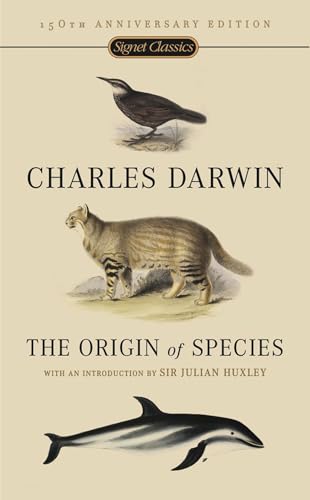
It draws on The Origin of Species.
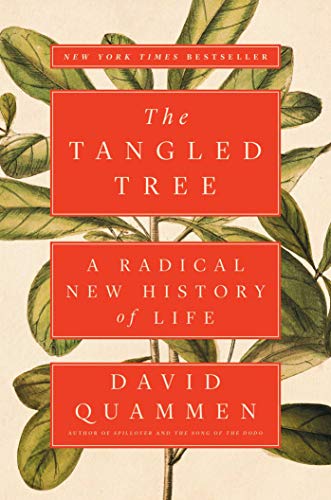
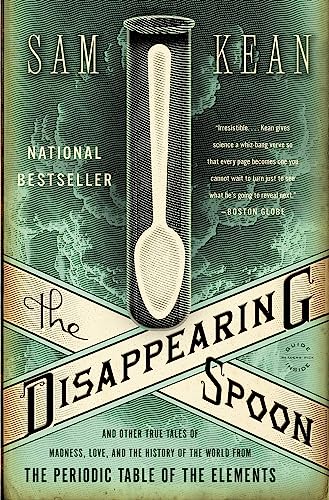
It’s picked up by The Tangled Tree: A Radical New History of Life, The Disappearing Spoon: And Other True Tales of Madness, Love, and the History of the World from the Periodic Table of the Elements and Packing for Mars: The Curious Science of Life in the Void.
Scroll down to read the exact passages where other authors reference this book and what they say about it.
The books Watson references and why each one mattered to the argument.
Watson positions DNA discovery as the next revolution after Darwin's Origin.
The exact passages where other authors bring up “The Double Helix” and what they take from it.
The book revisits Watson's The Double Helix as the origin point of the molecular biology revolution that Woese would later turn on taxonomy itself.
Watson's The Double Helix is used as the template for Kean's treatment of twentieth-century scientific rivalries, including the element-naming fights between American and Soviet labs.
Watson's The Double Helix is referenced as a parallel 'human story of science' narrative model, with Roach noting that space medicine has its own set of behind-the-scenes rivalries and personalities.
How ideas flow through the citation network. Ancestors are books this title builds on; descendants are books that build on it.
Directly cites
Books from completely different categories that share citation overlap with this one. These are the reads you would not find by browsing a single shelf.
Books with the highest citation overlap within the same categories.
This book and its direct connections. Hover a node to see its title, click to visit.
Hover a node to highlight its connections. Click to open the book page. Node size reflects total citation links.