Steven Pinker

Steven Pinker

Cognitive Psychologist, Harvard Professor

Steven Pinker is a Canadian-American cognitive psychologist and the Johnstone Family Professor of Psychology at Harvard University. His influential books include 'The Language Instinct,' 'How the Mind Works,' 'The Blank Slate,' 'The Better Angels of Our Nature,' and 'Enlightenment Now.'

6
Books Written
6
Books Recommended

Books by Steven Pinker

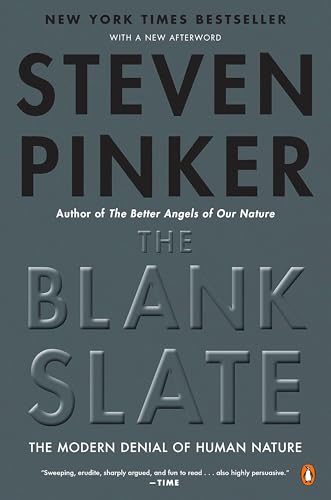
The Blank Slate by Steven Pinker

The Blank Slate

by Steven Pinker

star4.2

Pinker dismantles the blank slate doctrine - the idea that culture alone shapes human nature. Acknowledging innate traits doesn't undermine equality; it grounds social policy in reality.

psychologyscience
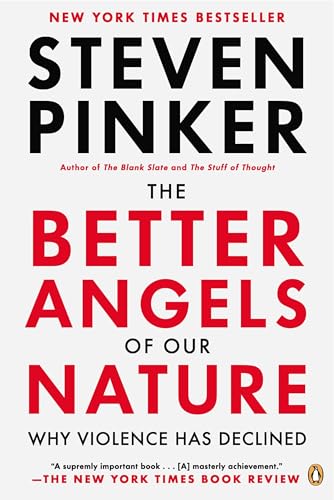
The Better Angels of Our Nature by Steven Pinker

The Better Angels of Our Nature

by Steven Pinker

star4.3

Pinker marshals centuries of data to argue violence has declined dramatically across every measurable dimension. Reason, commerce, empathy, and the state drove this underappreciated progress.

psychologyhistory
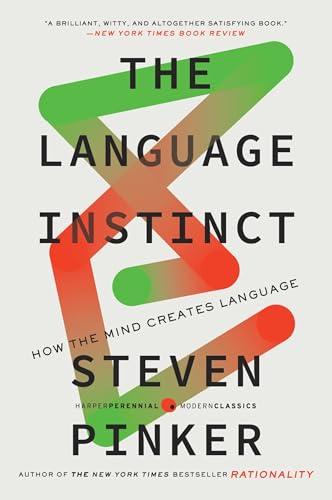
The Language Instinct by Steven Pinker

The Language Instinct

by Steven Pinker

star4.2

Pinker argues that language is a biological adaptation - an 'instinct' shaped by natural selection - rather than a cultural invention, synthesizing Chomsky's universal grammar with Darwinian evolutionary psychology. He marshals evidence from child language acquisition, pidgins and creoles, brain lesions, and cross-linguistic universals to defend an innate mental grammar while arguing against Chomsky's own scepticism about adaptationist explanations.

science
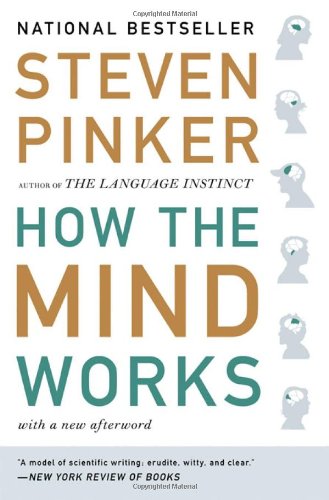
How the Mind Works by Steven Pinker

How the Mind Works

by Steven Pinker

star4.1

Pinker applies evolutionary psychology and computational theories of mind to explain vision, reasoning, emotion, social relations, and art as reverse-engineered adaptations. He argues the mind is a system of neural computers that natural selection shaped to solve the problems our hunter-gatherer ancestors faced, treating cognition as Darwinian engineering rather than the product of a blank slate.

science
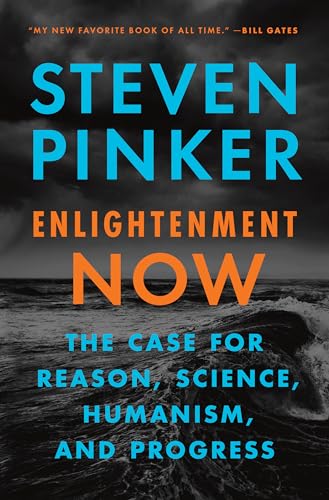
Enlightenment Now by Steven Pinker

Enlightenment Now

by Steven Pinker

star4.5

Pinker marshals 75 graphs showing long-term gains in health, wealth, safety, peace, knowledge, and happiness to argue that Enlightenment commitments to reason, science, and humanism have delivered measurable progress. He contends that cognitive biases like the availability heuristic and negativity bias make us systematically underestimate how much better the world has become.

historyphilosophy
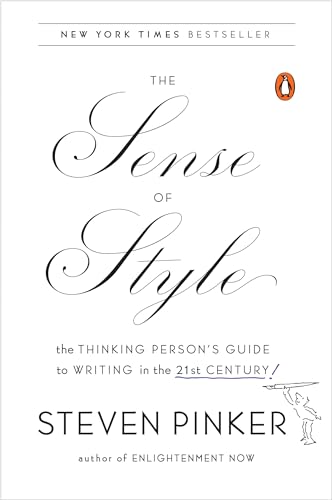
The Sense of Style: The Thinking Person's Guide to Writing in the 21st Century by Steven Pinker

The Sense of Style: The Thinking Person's Guide to Writing in the 21st Century

by Steven Pinker

star4.4

Pinker applies cognitive science and modern linguistics to prose style, arguing that good writing is 'classic style' - treating the reader as an equal looking at the world together. He replaces outdated grammar superstitions with evidence-based rules grounded in how minds actually process sentences.

writinglanguage

Most Recommended by Steven

The books Steven Pinker references, cites, and recommends most frequently.

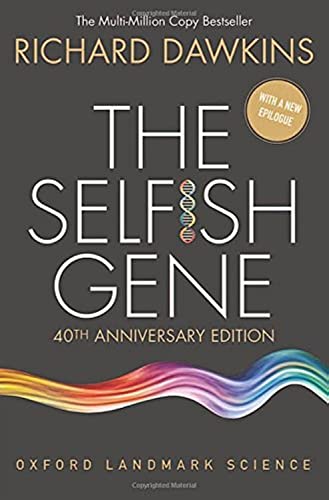
The Selfish Gene by Richard Dawkins

The Selfish Gene

by Richard Dawkins

star4.2

Dawkins reframes evolution from the organism's perspective to the gene's. Bodies are survival machines built by genes competing to replicate - a view that transformed modern biology.

science
Thinking, Fast and Slow by Daniel Kahneman

Thinking, Fast and Slow

by Daniel Kahneman

star4.2

Kahneman reveals that our minds run on two systems: fast intuition and slow deliberation. Most errors in judgement come from trusting System 1 when the situation demands System 2's careful analysis.

psychology
The Blind Watchmaker by Richard Dawkins

The Blind Watchmaker

by Richard Dawkins

star4.1

Dawkins argues that the staggering complexity of life needs no designer. Natural selection, acting blindly and incrementally, is the only known force capable of producing the appearance of purpose.

science
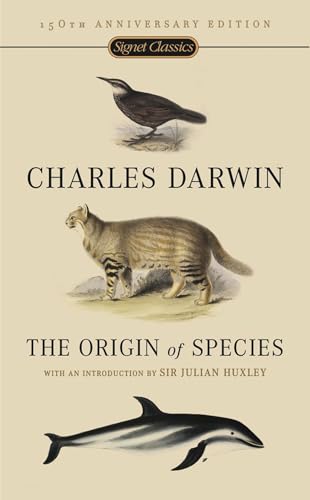
The Origin of Species by Charles Darwin

The Origin of Species

by Charles Darwin

star4

Darwin lays out the evidence that species evolve through natural selection, where small heritable variations accumulate over generations. The theory unified biology and changed how we understand life.

science
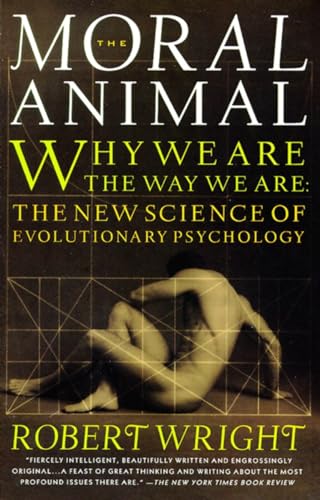
The Moral Animal by Robert Wright

The Moral Animal

by Robert Wright

star4.1

Wright uses evolutionary psychology to explain human nature, from jealousy to self-deception. Our moral intuitions are strategies shaped by natural selection to serve genetic interests, not gifts.

sciencepsychology
Superintelligence by Nick Bostrom

Superintelligence

by Nick Bostrom

star3.9

Bostrom warns that once artificial intelligence surpasses human cognition, controlling it becomes nearly impossible. The real danger isn't malice but misaligned goals pursued with superhuman competence.

technologyphilosophy

Influence Map

Who Steven draws from, and who draws from Steven — aggregated across every book in this collection. Counts show the number of citation links, not the depth of each one.

Steven cites most often

  1. 6 links
  2. 3 links
  3. 2 links
  4. 1 link
  5. 1 link

Authors who cite Steven most often

  1. 2 links
  2. 1 link
  3. 1 link
  4. 1 link
  5. 1 link
  6. 1 link