MK

Michael Kearns and Aaron Roth

Computer Scientists and Authors

Michael Kearns is an American computer scientist and professor at the University of Pennsylvania, specialising in computational learning theory and algorithmic game theory, while Aaron Roth is a professor at the same university known for his work on differential privacy and algorithmic fairness. Together they explore the ethical implications of algorithms and machine learning.

1
Books Written
4
Books Recommended

Books by Michael Kearns and Aaron Roth

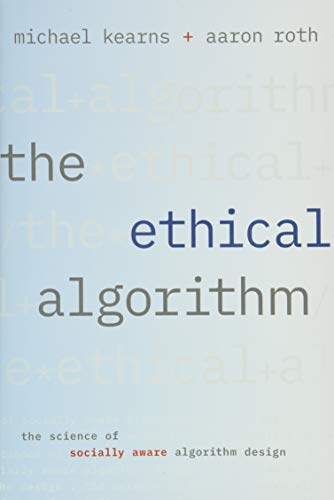
The Ethical Algorithm: The Science of Socially Aware Algorithm Design by Michael Kearns and Aaron Roth

The Ethical Algorithm: The Science of Socially Aware Algorithm Design

by Michael Kearns and Aaron Roth

star4.1

Computer scientists Michael Kearns and Aaron Roth present rigorous but accessible solutions to the societal harms of algorithms, covering differential privacy, algorithmic fairness, and game-theoretic mechanism design. Rather than simply diagnosing problems, they show how mathematical frameworks can embed human values like privacy and fairness directly into algorithm design, providing a technical counterpart to the policy-focused critiques of algorithmic harm.

technologyscience

Most Recommended by Michael

The books Michael Kearns and Aaron Roth references, cites, and recommends most frequently.

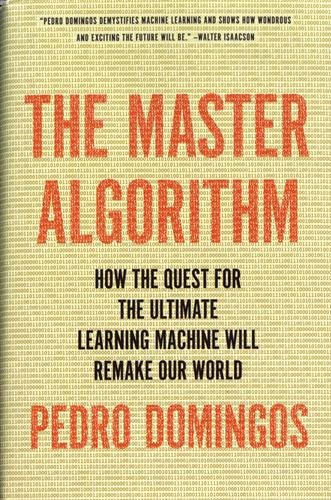
The Master Algorithm by Pedro Domingos

The Master Algorithm

by Pedro Domingos

star3.9

Domingos argues that five tribes of machine learning are converging toward one master algorithm capable of learning anything. Understanding these rival approaches reveals how AI actually works.

technologyscience
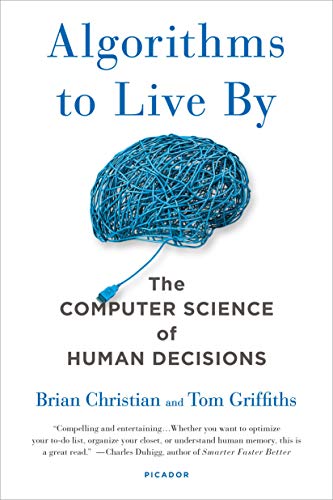
Algorithms to Live By by Brian Christian

Algorithms to Live By

by Brian Christian

star4.2

Christian and Griffiths show how computer science algorithms solve everyday human problems, from when to stop searching to how to sort your priorities. Practical wisdom from maths.

technologypsychology
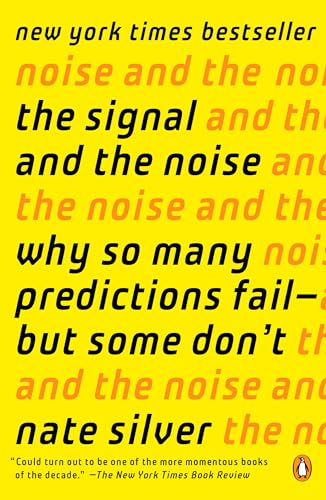
The Signal and the Noise by Nate Silver

The Signal and the Noise

by Nate Silver

star4

Silver examines why most predictions fail and what separates the rare forecasters who succeed. Think probabilistically, update beliefs with new data, and know how much signal exists in the noise.

sciencebusiness
Nudge by Richard Thaler

Nudge

by Richard Thaler

star3.9

Thaler and Sunstein argue that small changes in how choices are presented, nudges, can dramatically improve decisions without restricting freedom. Choice architecture is a powerful tool for public policy and beyond.

psychologybusiness

Influence Map

Who Michael draws from, and who draws from Michael — aggregated across every book in this collection. Counts show the number of citation links, not the depth of each one.

Michael cites most often

  1. 1 link
  2. 1 link
  3. 1 link
  4. 1 link