David Wallace-Wells

David Wallace-Wells

Journalist and Author

David Wallace-Wells is an American journalist and columnist at The New York Times, known for his writing on climate change. His 2017 essay "The Uninhabitable Earth" became the most read article in the history of New York Magazine and was later expanded into an internationally bestselling book.

1
Books Written
4
Books Recommended

Books by David Wallace-Wells

The Uninhabitable Earth: Life After Warming by David Wallace-Wells

The Uninhabitable Earth: Life After Warming

by David Wallace-Wells

star4

A harrowing account of the cascading consequences of climate change, from heat death to economic collapse to civilizational unraveling. Wallace-Wells synthesizes the latest climate science into a vivid, urgent narrative about the near-future world we are building through inaction.

scienceenvironment

Most Recommended by David

The books David Wallace-Wells references, cites, and recommends most frequently.

The Sixth Extinction by Elizabeth Kolbert

The Sixth Extinction

by Elizabeth Kolbert

star4.1

Kolbert documents how human activity is driving a mass extinction event comparable to the asteroid that killed the dinosaurs. Species are vanishing at a rate not seen in 65 million years, and we are the cause.

science
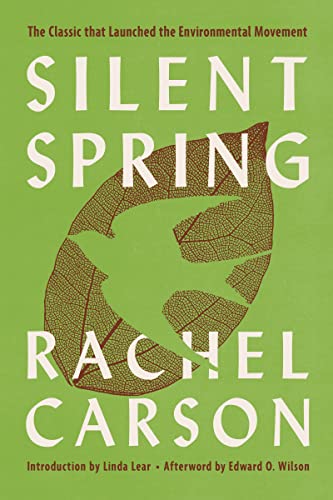
Silent Spring by Rachel Carson

Silent Spring

by Rachel Carson

star4

Carson's 1962 expose revealed how pesticides were silently poisoning ecosystems and human health. The book launched the modern environmental movement and led to the DDT ban.

sciencehistory
Collapse by Jared Diamond

Collapse

by Jared Diamond

star4

Diamond investigates why some societies collapse while others endure, tracing destruction to environmental damage and failed group decision-making. The past warns the present.

historyscience
Thinking in Systems by Donella Meadows

Thinking in Systems

by Donella Meadows

star4.5

Meadows explains how systems, from economies to ecosystems, behave through feedback loops, stocks, and flows. Most interventions fail because we address symptoms rather than the underlying structure driving the problem.

sciencebusiness

Influence Map

Who David draws from, and who draws from David — aggregated across every book in this collection. Counts show the number of citation links, not the depth of each one.

David cites most often

  1. 1 link
  2. 1 link
  3. 1 link
  4. 1 link