WU

William Ury

Negotiation Expert and Author

William Ury is an American negotiation expert who co-founded the Harvard Negotiation Project and has advised governments and Fortune 500 companies worldwide. He co-authored the fifteen million copy bestseller Getting to Yes, which established principled negotiation as a widely practised framework for resolving disputes.

1
Books Written
3
Books Recommended

Books by William Ury

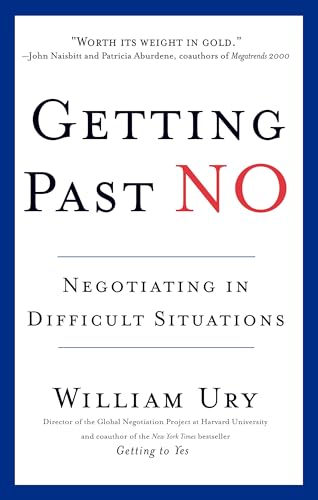
Getting Past No by William Ury

Getting Past No

by William Ury

star4.5

Ury argues that in the 95 percent of negotiations where the other side refuses to play fair, the path forward is a five-step breakthrough strategy: go to the balcony, step to their side, reframe, build them a golden bridge, and use power to educate. He treats difficult negotiations as a joint problem rather than a contest of wills.

businesspsychology

Most Recommended by William

The books William Ury references, cites, and recommends most frequently.

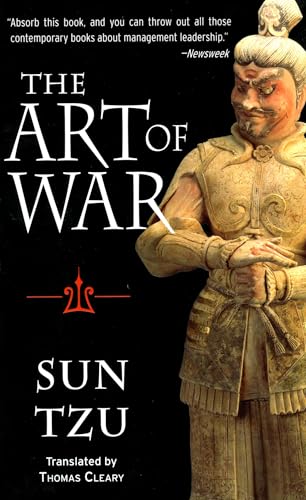
The Art of War by Sun Tzu

The Art of War

by Sun Tzu

star4.3

Sun Tzu's ancient treatise frames strategy as the art of winning without fighting when possible. The deepest victories come from superior positioning, deception, and understanding your opponent's weaknesses before engageing.

philosophyhistory
Influence by Robert Cialdini

Influence

by Robert Cialdini

star4.7

Cialdini identifies six universal principles of persuasion: reciprocity, commitment, social proof, authority, liking, and scarcity. Understanding these triggers explains why we say yes, and how others get us to comply.

psychologybusiness
How to Win Friends and Influence People by Dale Carnegie

How to Win Friends and Influence People

by Dale Carnegie

star4.2

Carnegie's core insight is that influence comes from genuine interest in others, not self-promotion. Listen deeply, make people feel important, and never criticize - connection is the foundation of persuasion.

self-helpbusiness

Influence Map

Who William draws from, and who draws from William — aggregated across every book in this collection. Counts show the number of citation links, not the depth of each one.

William cites most often

  1. 1 link
  2. 1 link
  3. 1 link