Daniel Dennett

Daniel Dennett

Philosopher, Cognitive Scientist

Daniel Dennett was an American philosopher and cognitive scientist who was one of the most influential thinkers on consciousness, free will, and evolutionary theory. His book Consciousness Explained offered a bold materialist account of how subjective experience arises from brain processes, challenging dualist assumptions. His work Darwin's Dangerous Idea explored the far reaching implications of natural selection, arguing it is the single best idea anyone has ever had.

2
Books Written
5
Books Recommended

Books by Daniel Dennett

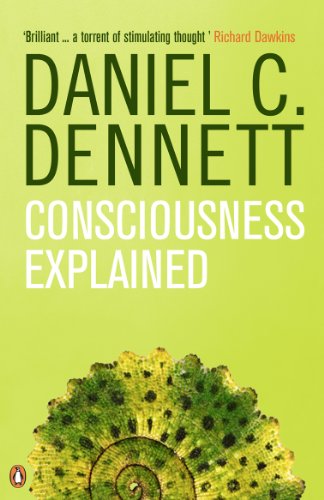
Consciousness Explained by Daniel Dennett

Consciousness Explained

by Daniel Dennett

star4.1

Dennett attacks the 'Cartesian Theater' intuition - the idea that there is a place in the brain where conscious experience is unified for a single observer - and replaces it with his Multiple Drafts model, in which consciousness is a distributed process of parallel content-fixations. He argues that qualia and the unified self are useful illusions generated by the brain's serial virtual machine running on massively parallel hardware.

sciencephilosophy
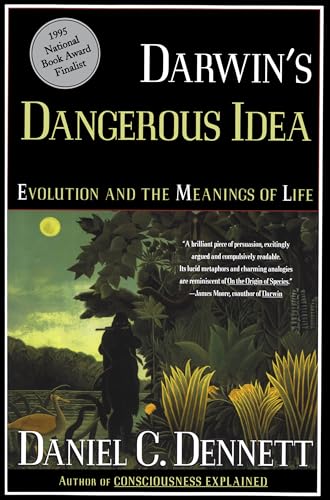
Darwin's Dangerous Idea: Evolution and the Meanings of Life by Daniel Dennett

Darwin's Dangerous Idea: Evolution and the Meanings of Life

by Daniel Dennett

star4.3

Dennett calls natural selection a 'universal acid' - a mindless algorithmic process that eats through every traditional concept of design, purpose, and meaning and remakes them on naturalistic foundations. He defends adaptationism against Gould and Lewontin's critics and extends Darwinian thinking to culture, ethics, and the origin of mind through what he calls 'cranes, not skyhooks.'

sciencephilosophy

Most Recommended by Daniel

The books Daniel Dennett references, cites, and recommends most frequently.

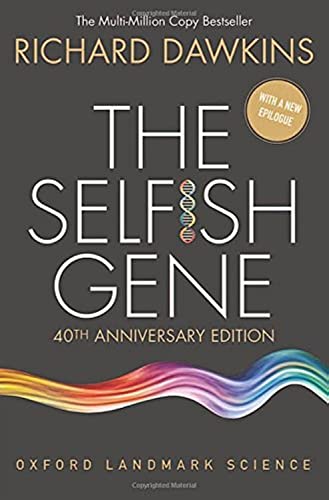
The Selfish Gene by Richard Dawkins

The Selfish Gene

by Richard Dawkins

star4.2

Dawkins reframes evolution from the organism's perspective to the gene's. Bodies are survival machines built by genes competing to replicate - a view that transformed modern biology.

science
The Blind Watchmaker by Richard Dawkins

The Blind Watchmaker

by Richard Dawkins

star4.1

Dawkins argues that the staggering complexity of life needs no designer. Natural selection, acting blindly and incrementally, is the only known force capable of producing the appearance of purpose.

science
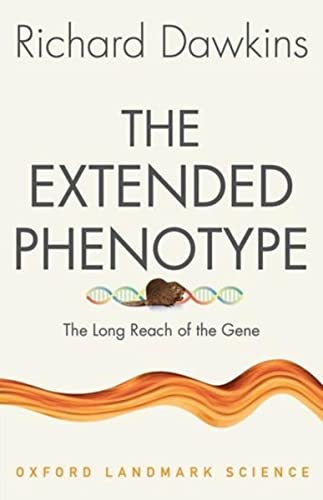
The Extended Phenotype by Richard Dawkins

The Extended Phenotype

by Richard Dawkins

star4.1

Dawkins extends his gene-centred view of evolution beyond the body, arguing that genes influence the wider world, beaver dams and parasite behaviour are gene expressions too.

science
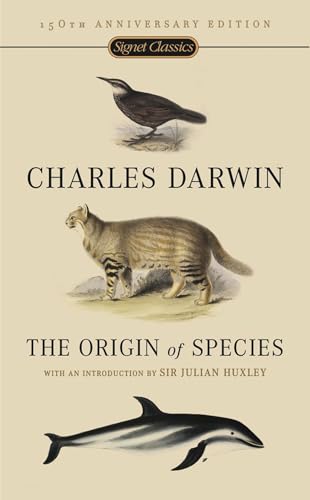
The Origin of Species by Charles Darwin

The Origin of Species

by Charles Darwin

star4

Darwin lays out the evidence that species evolve through natural selection, where small heritable variations accumulate over generations. The theory unified biology and changed how we understand life.

science
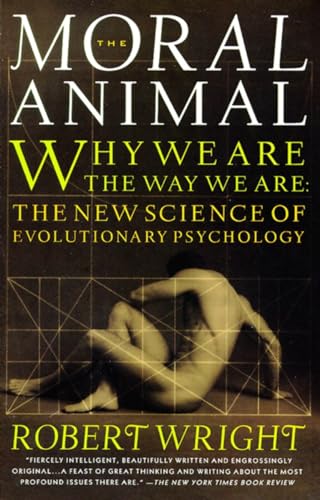
The Moral Animal by Robert Wright

The Moral Animal

by Robert Wright

star4.1

Wright uses evolutionary psychology to explain human nature, from jealousy to self-deception. Our moral intuitions are strategies shaped by natural selection to serve genetic interests, not gifts.

sciencepsychology

Influence Map

Who Daniel draws from, and who draws from Daniel — aggregated across every book in this collection. Counts show the number of citation links, not the depth of each one.

Daniel cites most often

  1. 6 links
  2. 1 link
  3. 1 link