WG

W. Timothy Gallwey

Performance Coach and Author

W. Timothy Gallwey is an American author and coaching pioneer who captained the Harvard University tennis team in 1960 and went on to develop the Inner Game methodology. His 1974 book The Inner Game of Tennis, which explores the mental side of peak performance, has sold over a million copies and influenced modern coaching practice.

1
Books Written
3
Books Recommended

Books by W. Timothy Gallwey

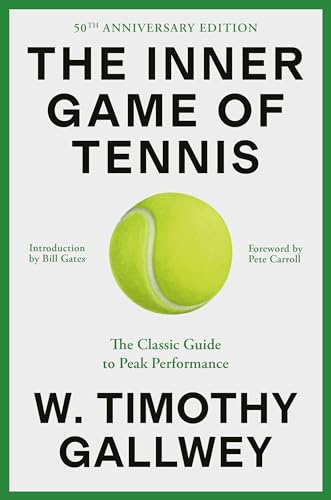
The Inner Game of Tennis: The Classic Guide to the Mental Side of Peak Performance by W. Timothy Gallwey

The Inner Game of Tennis: The Classic Guide to the Mental Side of Peak Performance

by W. Timothy Gallwey

star4.18

Gallwey's groundbreaking 1974 classic introduces the concept of the 'inner game' - the mental battle against self-doubt and anxiety that takes place within every athlete's mind. Built on a foundation of Zen thinking and humanistic psychology, the book provides a framework for quieting the critical 'Self 1' to let the competent 'Self 2' perform naturally, with principles that have since been applied far beyond tennis to business, education, and personal development.

sports-psychologyself-help

Most Recommended by W.

The books W. Timothy Gallwey references, cites, and recommends most frequently.

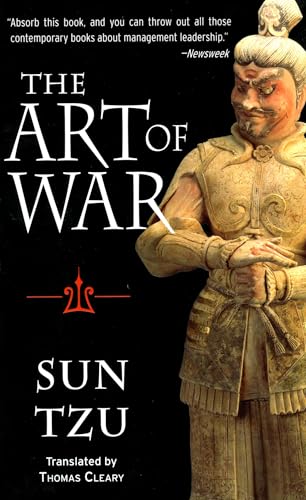
The Art of War by Sun Tzu

The Art of War

by Sun Tzu

star4.3

Sun Tzu's ancient treatise frames strategy as the art of winning without fighting when possible. The deepest victories come from superior positioning, deception, and understanding your opponent's weaknesses before engageing.

philosophyhistory
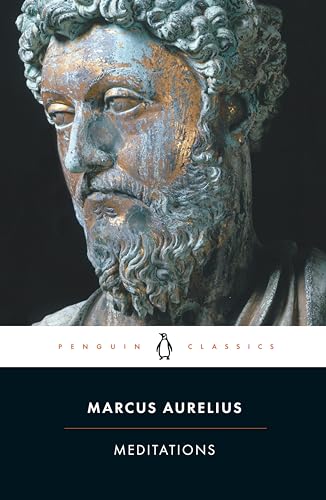
Meditations by Marcus Aurelius

Meditations

by Marcus Aurelius

star4.6

Aurelius wrote these private meditations as reminders to himself - on duty, impermanence, and rational self-governance. The result is Stoicism at its most intimate: a Roman emperor's nightly practice of keeping perspective.

philosophy
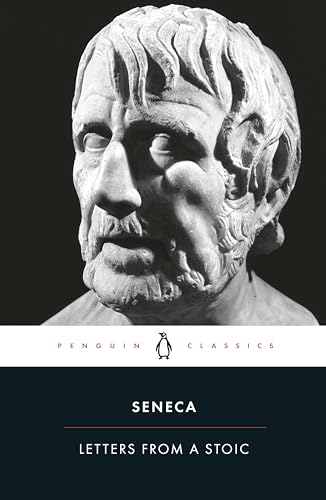
Letters from a Stoic by Seneca

Letters from a Stoic

by Seneca

star4.5

Seneca offers practical Stoic wisdom on anger, grief, time, and mortality through letters to a friend. His core message: philosophy isn't academic theory but a daily practice for living with clarity and purpose.

philosophy

Influence Map

Who W. draws from, and who draws from W. — aggregated across every book in this collection. Counts show the number of citation links, not the depth of each one.

W. cites most often

  1. 1 link
  2. 1 link
  3. 1 link