Peter Wohlleben

Peter Wohlleben

Forester and author

Peter Wohlleben is a German forester and bestselling author of The Hidden Life of Trees, which has sold over two million copies and reveals how trees communicate, support one another, and form complex social networks. He spent over twenty years working for the forestry commission before dedicating himself to running an environmentally friendly woodland in Germany.

1
Books Written
3
Books Recommended

Books by Peter Wohlleben

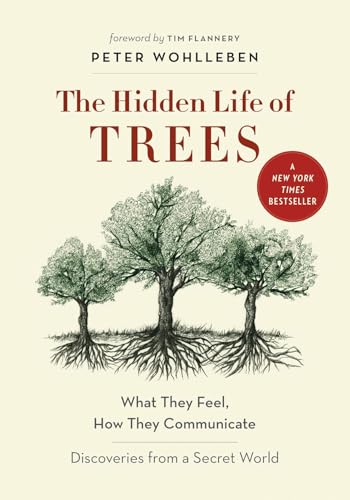
The Hidden Life of Trees: What They Feel, How They Communicate by Peter Wohlleben

The Hidden Life of Trees: What They Feel, How They Communicate

by Peter Wohlleben

star4.06

German forester Peter Wohlleben draws on decades of observation and the latest scientific research to reveal the extraordinary social networks of trees. He shows how trees communicate through underground fungal networks, care for their young, and form communities that cooperate for mutual survival.

sciencenature

Most Recommended by Peter

The books Peter Wohlleben references, cites, and recommends most frequently.

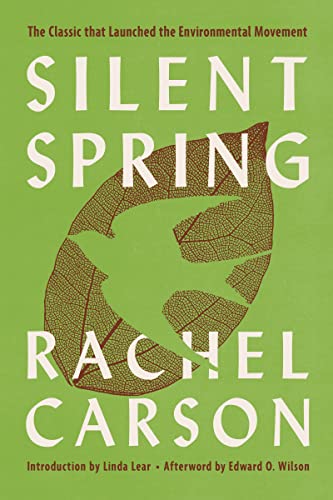
Silent Spring by Rachel Carson

Silent Spring

by Rachel Carson

star4

Carson's 1962 expose revealed how pesticides were silently poisoning ecosystems and human health. The book launched the modern environmental movement and led to the DDT ban.

sciencehistory
The Selfish Gene by Richard Dawkins

The Selfish Gene

by Richard Dawkins

star4.2

Dawkins reframes evolution from the organism's perspective to the gene's. Bodies are survival machines built by genes competing to replicate - a view that transformed modern biology.

science
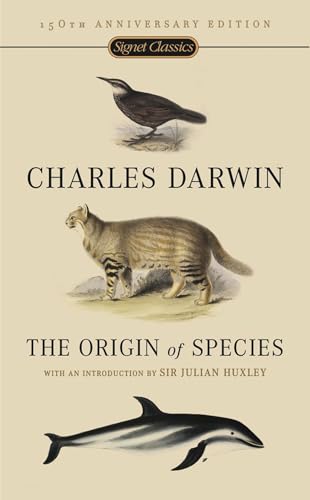
The Origin of Species by Charles Darwin

The Origin of Species

by Charles Darwin

star4

Darwin lays out the evidence that species evolve through natural selection, where small heritable variations accumulate over generations. The theory unified biology and changed how we understand life.

science

Influence Map

Who Peter draws from, and who draws from Peter — aggregated across every book in this collection. Counts show the number of citation links, not the depth of each one.

Peter cites most often

  1. 1 link
  2. 1 link
  3. 1 link