JP

Dr. Joseph Parent

Performance Psychologist and Author

Dr. Joseph Parent is an American performance psychologist who has coached the mental game in golf, business, and life for over forty years. His international bestseller Zen Golf introduced mindfulness as a foundation for excellence in sport and has been translated into ten languages.

1
Books Written
3
Books Recommended

Books by Dr. Joseph Parent

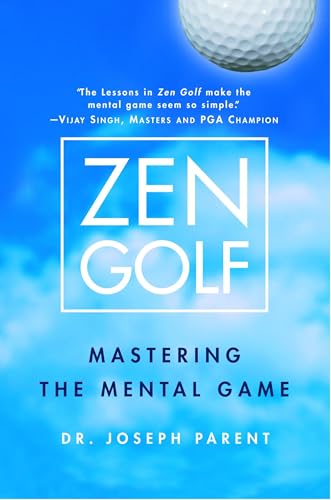
Zen Golf: Mastering the Mental Game by Dr. Joseph Parent

Zen Golf: Mastering the Mental Game

by Dr. Joseph Parent

star3.93

Sport psychologist Dr. Joseph Parent blends Zen Buddhist philosophy with practical golf psychology to help players overcome the mental obstacles that sabotage their game. Through accessible lessons on awareness, acceptance, and commitment, the book teaches golfers how to quiet their minds, stay present on every shot, and transform frustration into focused performance on the course.

sports-psychologyself-help

Most Recommended by Dr.

The books Dr. Joseph Parent references, cites, and recommends most frequently.

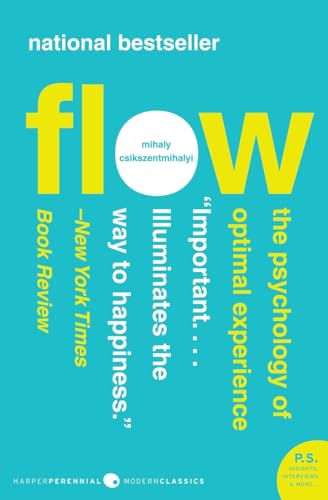
Flow by Mihaly Csikszentmihalyi

Flow

by Mihaly Csikszentmihalyi

star4.1

Csikszentmihalyi identifies the state of total absorption where time vanishes and performance peaks. Flow is not random, it arises from clear goals, immediate feedback, and matched challenge.

psychology
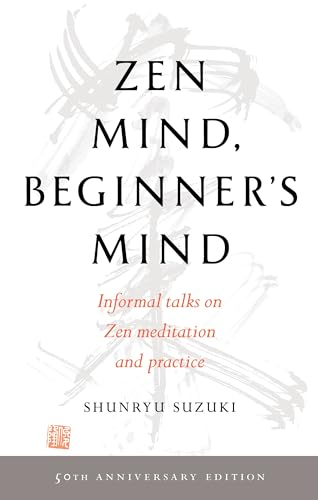
Zen Mind, Beginner's Mind: Informal Talks on Zen Meditation and Practice by Shunryu Suzuki

Zen Mind, Beginner's Mind: Informal Talks on Zen Meditation and Practice

by Shunryu Suzuki

star4.7

Edited from talks Suzuki gave at his Los Altos zendo, this classic presents Soto Zen practice through the lens of 'beginner's mind,' the open, receptive attitude that sees each moment fresh. Suzuki teaches zazen, posture, breathing, and the everyday attitudes that make practice continuous with ordinary life.

philosophybuddhism
The Way of Zen by Alan Watts

The Way of Zen

by Alan Watts

star4.6

Watts traces Zen Buddhism's emergence from the synthesis of Indian Mahayana Buddhism with Chinese Taoism, then examines its distinctive principles and practice in Japanese culture. Drawing extensively on D. T. Suzuki's scholarship while working to surpass it, Watts presents Zen as a direct pointing to the non-dualistic nature of mind.

philosophybuddhism

Influence Map

Who Dr. draws from, and who draws from Dr. — aggregated across every book in this collection. Counts show the number of citation links, not the depth of each one.

Dr. cites most often

  1. 1 link
  2. 1 link
  3. 1 link