David E. Sanger

David E. Sanger

Journalist and Author

David E. Sanger is an American journalist and chief Washington correspondent for The New York Times, covering foreign policy, nuclear proliferation, and national security for over four decades. He has been a member of three Pulitzer Prize winning teams and is the author of several books on American foreign policy.

1
Books Written
3
Books Recommended

Books by David E. Sanger

The Perfect Weapon: War, Sabotage, and Fear in the Cyber Age by David E. Sanger

The Perfect Weapon: War, Sabotage, and Fear in the Cyber Age

by David E. Sanger

star4.5

Sanger, the New York Times national-security correspondent, traces the emergence of cyber conflict from Stuxnet through Russian election interference, arguing that governments deployed offensive code faster than they established doctrine. The book argues that cyberweapons have become the preferred tool of geopolitics precisely because deterrence in the digital domain remains unsolved.

technologyhistory

Most Recommended by David

The books David E. Sanger references, cites, and recommends most frequently.

The Innovators by Walter Isaacson

The Innovators

by Walter Isaacson

star4.1

Isaacson traces the digital revolution from Ada Lovelace to the internet age. The key insight: the greatest breakthroughs came from collaboration between visionaries, not lone geniuses in isolation.

technologyhistory
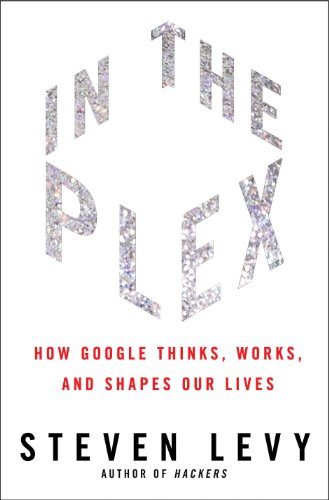
In the Plex: How Google Thinks, Works, and Shapes Our Lives by Steven Levy

In the Plex: How Google Thinks, Works, and Shapes Our Lives

by Steven Levy

star4.4

Levy had unprecedented access to Google's founders, engineers, and executives over two years to chronicle the company's algorithms, culture, and strategic battles. Levy argues that Google's engineering-led culture and willingness to automate judgement represented a fundamentally new way of building a company.

businesstechnology
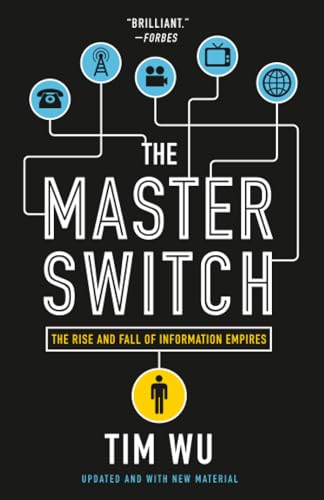
The Master Switch by Tim Wu

The Master Switch

by Tim Wu

star4.1

Wu traces a recurring cycle in information industries: open systems get consolidated by monopolists, then disrupted again. From telephone to internet, the pattern threatens every medium.

historytechnology

Influence Map

Who David draws from, and who draws from David — aggregated across every book in this collection. Counts show the number of citation links, not the depth of each one.

David cites most often

  1. 1 link
  2. 1 link
  3. 1 link