Albert Camus

Albert Camus

Novelist, Philosopher

Albert Camus (1913 to 1960) was a French novelist, essayist, and philosopher who became one of the most influential literary figures of the twentieth century. He was awarded the Nobel Prize in Literature in 1957 for his body of work, which includes The Stranger, The Myth of Sisyphus, The Plague, and The Rebel. His philosophy of absurdism explored the tension between humanity's search for meaning and the indifference of the universe.

2
Books Written
3
Books Recommended

Books by Albert Camus

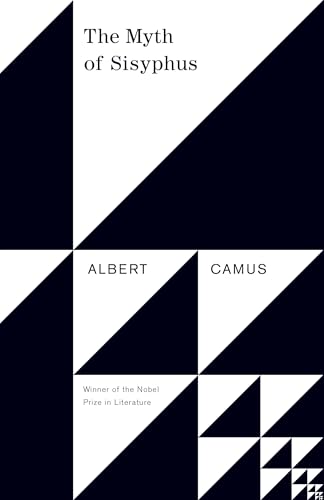
The Myth of Sisyphus by Albert Camus

The Myth of Sisyphus

by Albert Camus

star4.1

Camus confronts the fundamental question: if life is absurd, why not end it? His answer, to revolt, to create, to live fully without false hope, defines absurdism.

philosophy
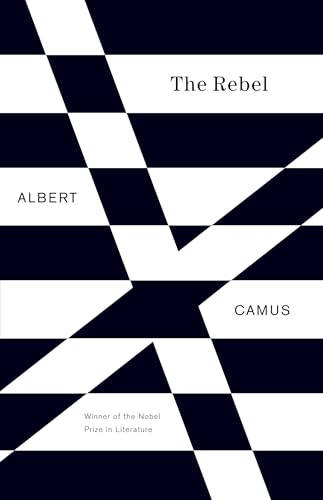
The Rebel: An Essay on Man in Revolt by Albert Camus

The Rebel: An Essay on Man in Revolt

by Albert Camus

star4.5

Camus traces the history of metaphysical and political rebellion from Prometheus through Sade, Dostoevsky, Nietzsche, and the revolutions of the twentieth century, showing how the rebel's legitimate 'no' repeatedly curdles into tyranny. He proposes a measured rebellion that honors human dignity without collapsing into nihilism or absolute ideology.

philosophyexistentialism

Most Recommended by Albert

The books Albert Camus references, cites, and recommends most frequently.

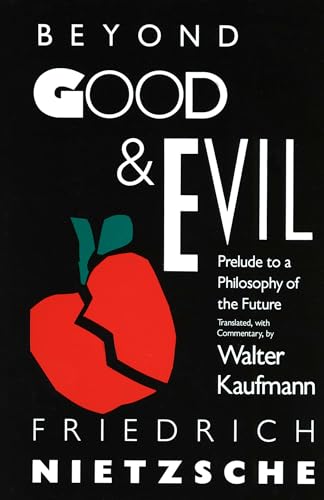
Beyond Good and Evil by Friedrich Nietzsche

Beyond Good and Evil

by Friedrich Nietzsche

star4

Nietzsche attacks conventional morality as a system built by the weak to restrain the strong. He demands that philosophers create new values rather than accept inherited ones.

philosophy
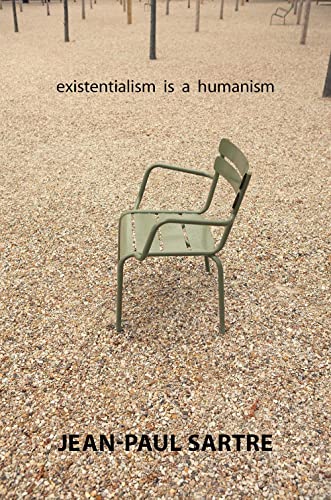
Existentialism Is a Humanism by Jean-Paul Sartre

Existentialism Is a Humanism

by Jean-Paul Sartre

star3.9

Sartre's landmark lecture argues existence precedes essence - we are condemned to be free, with no fixed human nature to fall back on. A concise entry point to existentialism.

philosophy
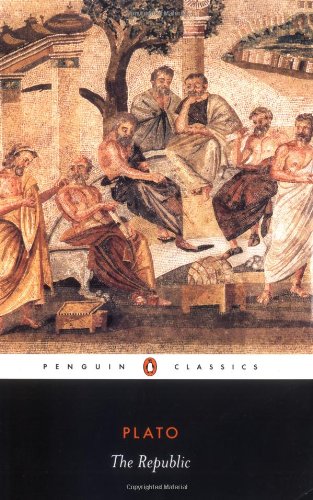
The Republic by Plato

The Republic

by Plato

star3.9

Plato's foundational dialogue asks what justice truly means, arguing that a well-ordered society mirrors a well-ordered soul. Still the starting point for political philosophy.

philosophy

Influence Map

Who Albert draws from, and who draws from Albert — aggregated across every book in this collection. Counts show the number of citation links, not the depth of each one.

Albert cites most often

  1. 2 links
  2. 1 link
  3. 1 link

Authors who cite Albert most often

  1. 1 link
  2. 1 link