MF

Michael Feathers

Software Developer and Author

Michael Feathers is an American software developer and author of Working Effectively with Legacy Code, a widely respected guide to improving and testing large, untested codebases. He has worked with Object Mentor and is recognised for his expertise in software design and refactoring.

1
Books Written
3
Books Recommended

Books by Michael Feathers

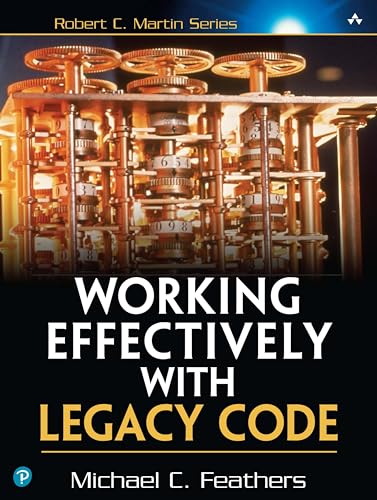
Working Effectively with Legacy Code by Michael Feathers

Working Effectively with Legacy Code

by Michael Feathers

star4.4

Feathers defines legacy code as 'code without tests' and provides a catalog of dependency-breaking techniques (seams, sprout methods, characterization tests) for safely getting untested code under test before changing it. Drawing on Fowler-style step-by-step refactorings, he gives practical recipes for taming real-world codebases where the fear of breaking things has frozen development.

technologysoftware engineering

Most Recommended by Michael

The books Michael Feathers references, cites, and recommends most frequently.

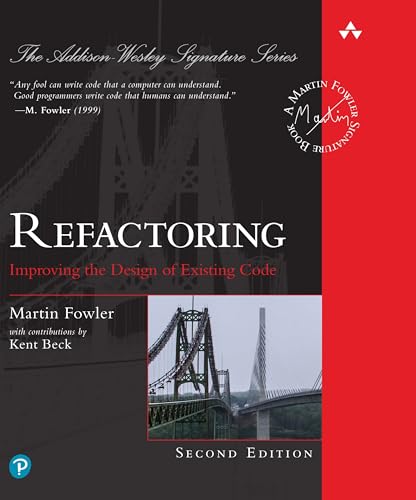
Refactoring by Martin Fowler

Refactoring

by Martin Fowler

star4.4

Fowler argues that improving code structure without changing behaviour is essential to software longevity. Small, disciplined refactoring steps reduce complexity and prevent technical debt from compounding.

technology
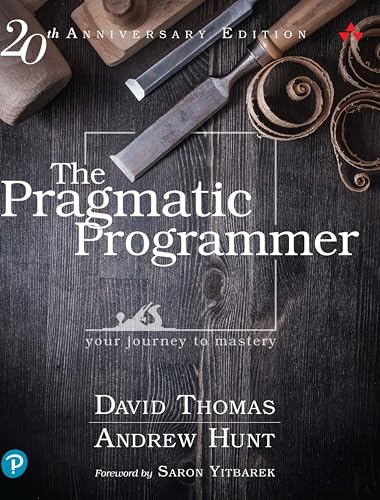
The Pragmatic Programmer by David Thomas

The Pragmatic Programmer

by David Thomas

star4.4

Thomas and Hunt argue that great software comes from a craftsman's mindset: think critically, take ownership, and never stop learning. Pragmatic techniques like DRY and orthogonality compound into mastery.

technology
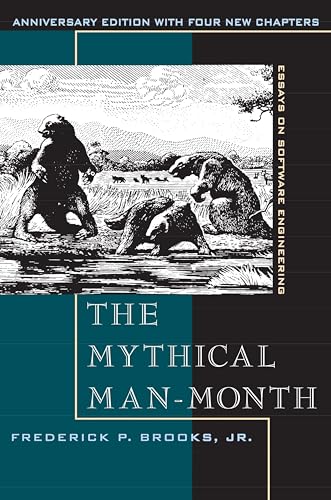
The Mythical Man-Month by Frederick Brooks

The Mythical Man-Month

by Frederick Brooks

star4

Brooks argues that adding more programmers to a late project makes it later - a principle now known as Brooks' Law. The deeper insight: software complexity grows faster than headcount, making communication the real bottleneck.

technologybusiness

Influence Map

Who Michael draws from, and who draws from Michael — aggregated across every book in this collection. Counts show the number of citation links, not the depth of each one.

Michael cites most often

  1. 1 link
  2. 1 link
  3. 1 link